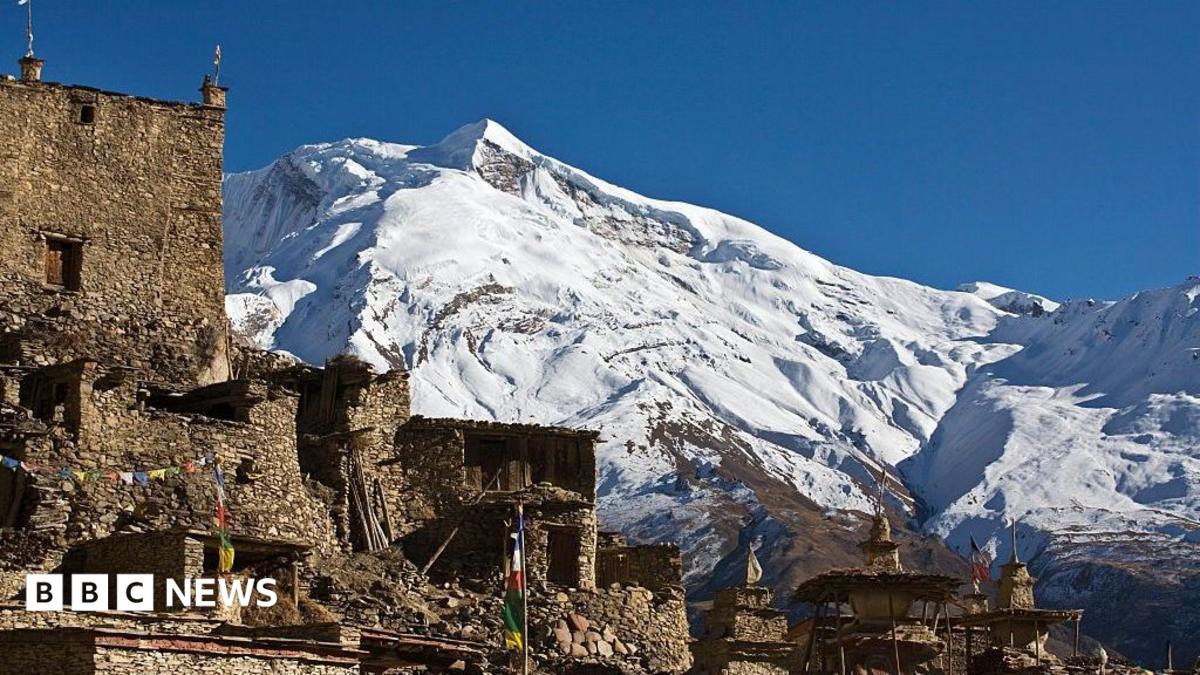
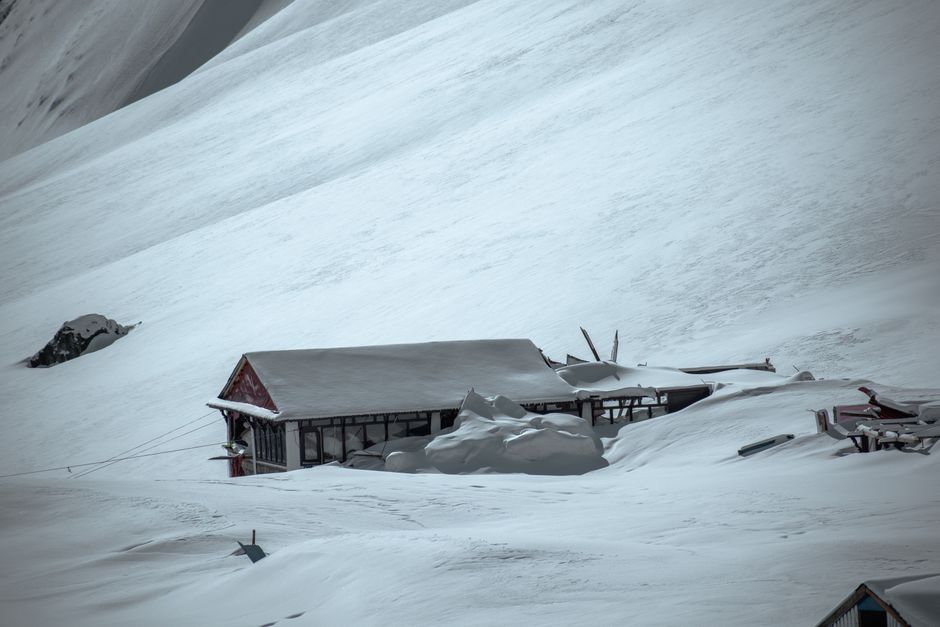
Four bodies were pulled from the snow‑blanketed slope of Himlung Himal, a grim tally that turns a routine climbing season into a stark reminder of nature’s unforgiving calculus. The avalanche that buried the expedition has already claimed four lives, and the numbers are likely to rise as rescuers scramble through treacherous ice to locate the missing.
According to the BBC, the disaster struck a group of foreign climbers and their Nepalese support staff as they prepared to ascend the 7,126‑metre peak. Rescue teams have recovered four bodies so far, while a further twelve Nepalese cooks who were setting up base camps remain unaccounted for.
Four lives lost: the human cost of Himalayan tourism
The tragedy underscores a growing tension between adventure tourism and the fragile ecosystems that sustain it. In recent years, Himlung Himal has become a magnet for trekkers seeking a less‑crowded alternative to Everest, spurring a surge in local employment. The missing cooks, often invisible to the Western eye, are the backbone of every expedition, handling everything from meals to logistics. Their disappearance highlights how the industry leans on a precarious labor force that operates in high‑altitude conditions with minimal safety nets.
The avalanche itself is not an isolated incident. Climate change is reshaping the monsoon patterns that feed the Himalayas, creating unstable snowpacks that are more prone to sudden slides. In fact, satellite data collected over the past decade shows a 12 percent increase in avalanche‑prone zones across Nepal’s trekking corridors. As the mountains warm, traditional knowledge about safe routes clashes with modern, profit‑driven schedules that push climbers to the edge of safety windows.
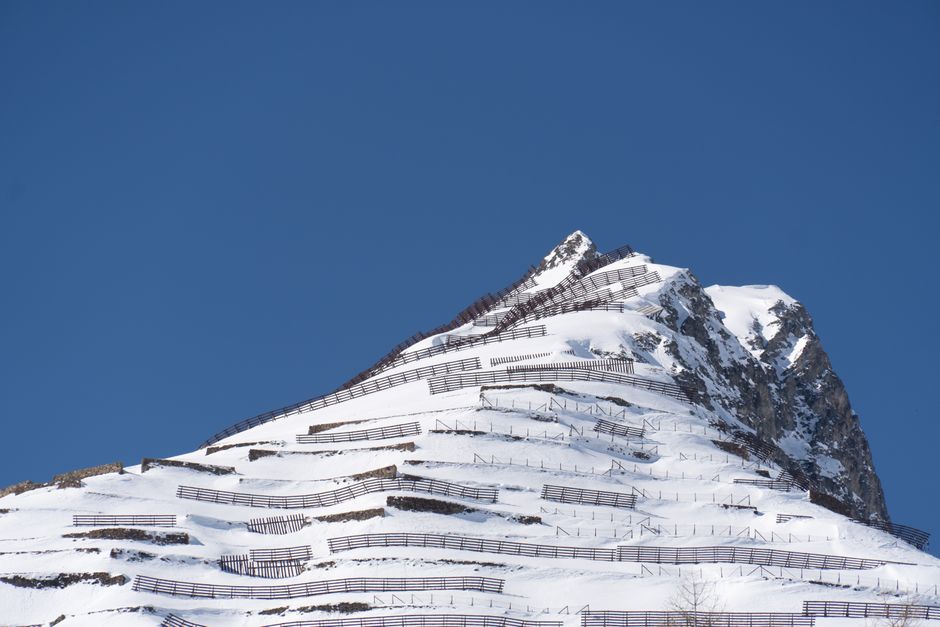
Technology, however, offers a glimmer of hope. AI‑driven models can now ingest real‑time weather feeds, satellite imagery, and ground sensor data to predict avalanche risk with unprecedented accuracy. Companies are experimenting with drone‑based LIDAR scans that map snowpack density, feeding the results into neural networks that flag danger zones minutes before a slide occurs. If such tools had been deployed on the Himlung route, the avalanche might have been anticipated, allowing the team to delay the ascent and possibly saving lives.
Why the avalanche matters beyond the mountains
Beyond the immediate grief, the incident forces a reckoning for policymakers and investors who view the Himalayas as a limitless revenue stream. The region contributes billions to Nepal’s GDP, yet the infrastructure supporting climbers—helipads, rope‑teams, communication towers—remains underfunded. When a disaster strikes, the cost is shouldered by families, local economies, and, increasingly, by insurance firms that are beginning to price in climate‑induced risk.
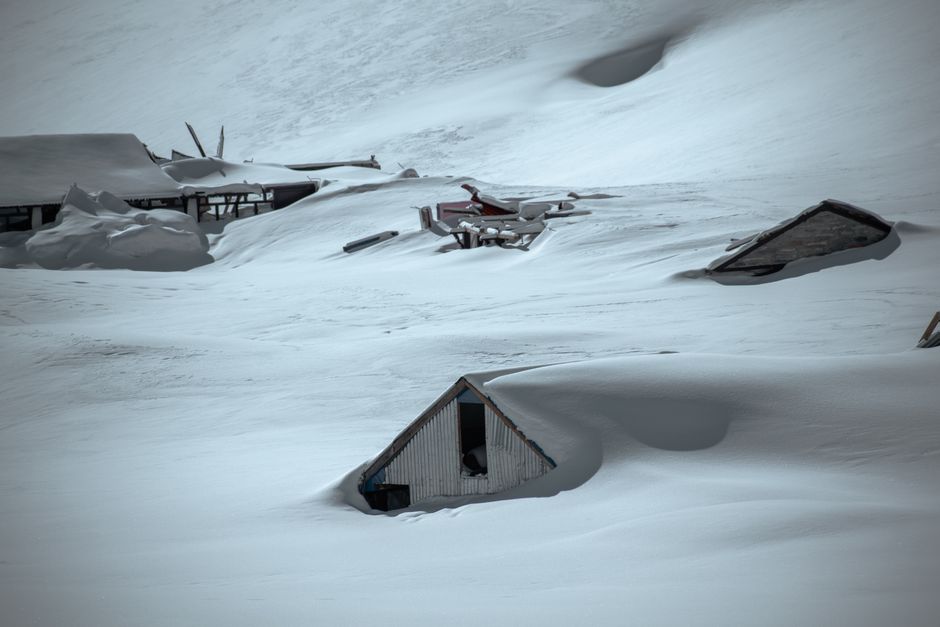
Mainstream coverage often frames such events as “natural disasters,” sidestepping the human decisions that amplify them. Critics argue that the relentless push for new routes and record‑breaking summits creates a competitive pressure that discounts safety in favor of headlines. Meanwhile, the government’s response has been a mix of rapid deployment of the Nepalese Army’s mountain rescue units and vague promises to upgrade early‑warning systems. The reality is that without a coordinated, tech‑enabled framework, these promises risk becoming empty rhetoric.
Some skeptics point out that AI cannot replace seasoned Sherpas who read the mountain like a living organism. That’s true; intuition and experience remain irreplaceable. Yet dismissing technology as a panacea ignores the fact that AI can augment human judgment, delivering data that even the most seasoned guide would struggle to compile on his own. The balance lies in integrating AI alerts with traditional expertise, not in pitting one against the other.
The missing twelve cooks also expose a darker undercurrent: labor exploitation in high‑altitude tourism. Many support staff work on seasonal contracts with limited health coverage, making them vulnerable when accidents occur. International climbing agencies have begun to adopt stricter safety certifications, but enforcement is patchy, especially in remote valleys where the rule of law is thin.
As the search continues, the world watches a drama that is part human tragedy, part climate warning, and part technological challenge. The four bodies already recovered are a painful reminder that the Himalayas demand respect, not just admiration.
If the industry refuses to embed predictive AI tools, invest in robust safety nets for local workers, and confront the climate forces reshaping the snow line, more avalanches will follow, each with a growing list of victims. The question now is not whether another slide will happen, but whether we will have the will to prevent it.
Source: BBC Asia