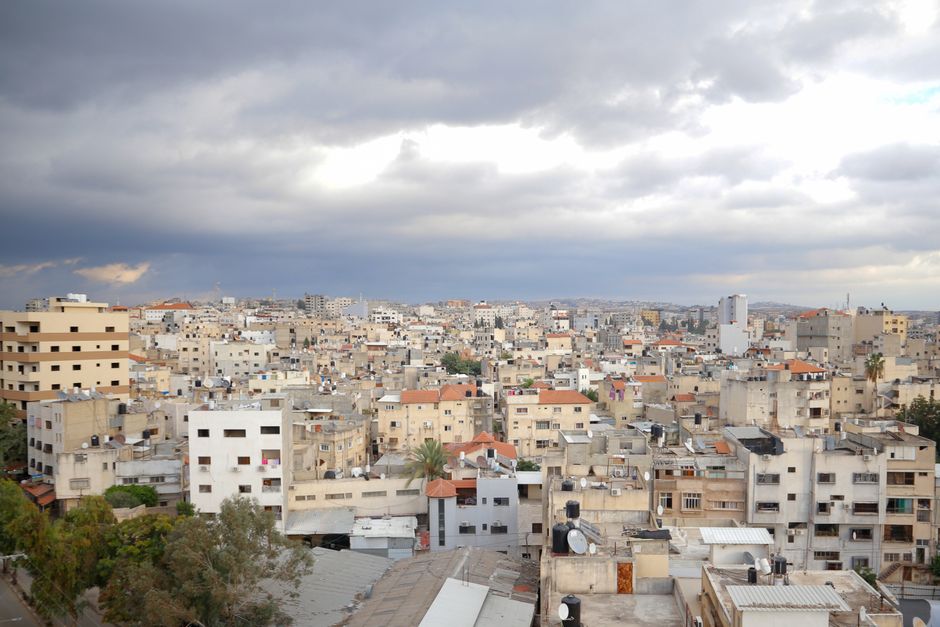
How many more times will we stand by and watch as the human cost of the ongoing conflict in **Israel** and the occupied territories escalates, while the world offers little more than boilerplate statements? This isn’t just another news cycle; it’s a stark reflection of a system failing those most vulnerable. The latest reports lay bare a chilling reality.
According to BBC Middle East, activists recently attempted to deliver crucial aid to two Palestinian families. These families have been trapped in their homes for several days in the occupied West Bank, effectively besieged by Israeli settlers. This isn’t a random act of aggression; it’s a pattern, and it demands our attention.
The Unfolding Crisis in the West Bank
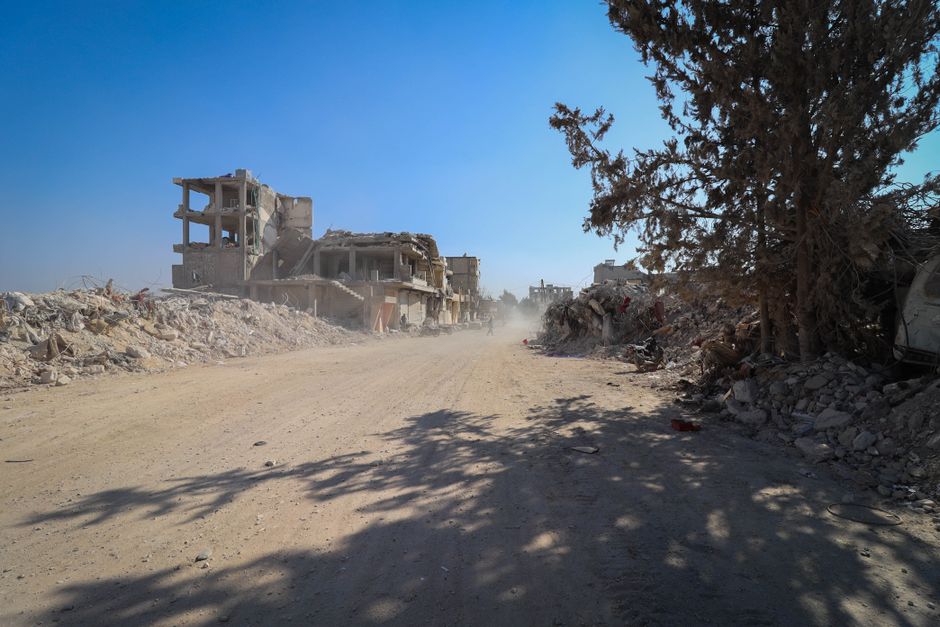
This incident, while specific, represents a much larger, insidious problem that has been simmering for decades. The occupied West Bank is a powder keg, constantly on the brink. What we witnessed over the weekend, and what continues to unfold, is a blatant disregard for basic human rights and international law. Families are being cut off from essential supplies, not by natural disaster, but by deliberate human action.
The presence and expansion of Israeli settlements in the West Bank are considered illegal under international law. Yet, they continue, creating an environment ripe for conflict and humanitarian crises. This specific event highlights the immediate, personal impact of this broader political reality. Meanwhile, the international community, including key players in UK and US politics, often reacts with cautious diplomacy. Their pronouncements frequently fall short of decisive action. This inaction, however well-intentioned, effectively emboldens those who seek to push the boundaries of what is permissible.
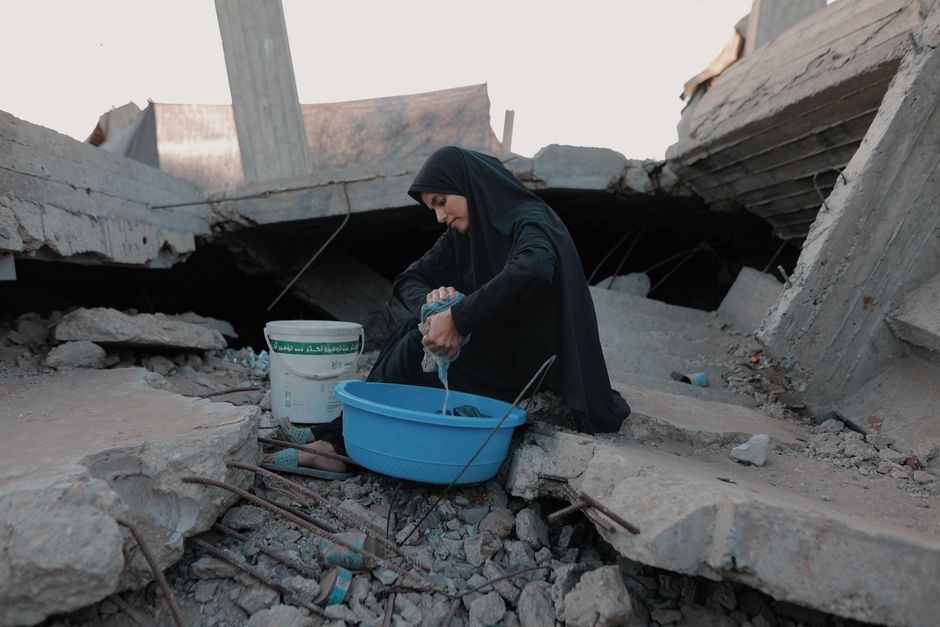
These families, trapped and vulnerable, are not just statistics. They are individuals facing hunger, fear, and isolation, simply for existing in their own homes. The aid activists, risking their own safety, are stepping into a void left by a lack of effective protection.
Whose Responsibility: The Israel Conundrum
The mainstream narrative often frames this as a complex, intractable conflict. However, the reality on the ground, as seen with these besieged families, is far simpler and more brutal. This isn’t about nuanced political positions; it’s about fundamental human dignity and the right to safety. Who loses? The Palestinian families, undoubtedly, as their lives are systematically made untenable. Who wins? Those who seek to exert control through intimidation and isolation.
The international community, particularly Western powers like the UK and US, has a moral imperative here that extends beyond careful diplomatic balancing acts. Their foreign policies often lean heavily on maintaining a strategic alliance with **Israel**. This alliance, however, frequently comes at the expense of holding all parties accountable for their actions. When families are denied food and medicine in their own homes, it’s not merely a security issue for **Israel**; it’s a profound humanitarian failure.
The silence from global leaders, or their muted condemnations, speaks volumes. It sends a message that such actions, while regrettable, are tolerable within the broader geopolitical framework. This isn’t just about security; it’s about the erosion of international legal norms. What could go wrong? A further descent into instability, increased radicalization, and the complete collapse of any hope for a peaceful resolution. When basic aid delivery becomes a dangerous, political act, we have truly crossed a line. The situation is not simply ‘complex’; it is, at its heart, a stark power imbalance that the world chooses to overlook.
We cannot afford to keep looking away. The plight of these families is a mirror reflecting a deeply broken system. How much more suffering must be endured before the world decides that humanity, not politics, should guide its conscience? This isn’t just news; it’s a desperate plea for justice.
Source: BBC Middle East