
When Prime Minister Modi declares the NEET paper leak a “Ghor paap” – a grave sin – one has to wonder if he sees the full scope of India’s rot, or merely the parts convenient for political condemnation. Is the outrage truly for the future of the youth, or for the optics of a crisis? The streets, however, tell a different story, one of escalating tensions and broken promises that no amount of strong rhetoric can paper over.
According to the Times of India, Prime Minister Modi has vowed strict action against those responsible for the NEET paper leak, branding it a “Ghor paap” and asserting that the future of the youth is paramount. Meanwhile, another alarming report from hospital sources details the human cost of public discontent: more than 170 individuals, including CJP protesters and Delhi Police personnel, required medical treatment at central government hospitals following violent clashes during the recent ‘Chalo Sansad’ march. Among the injured, a young woman remains in critical condition at Safdarjung Hospital, while approximately 150 sought aid at Dr Ram Manohar Lohia (RML) Hospital, and 24 others at Lady Hardinge Medical College (LHMC).
The Weight of Ghor Paap and Public Anger
The NEET examination is more than just an entry test; it is the single most significant gateway for millions of Indian students aspiring to careers in medicine. It represents years of relentless study, immense financial investment from families, and the fragile hope of social mobility. When such a critical system is compromised by a “Ghor paap” like a paper leak, it doesn’t just betray a few individuals; it shatters the trust in the entire meritocratic edifice of the nation. This systemic failure exposes deep fissures within the administrative machinery, suggesting that corruption has become so entrenched it can undermine the very foundation of opportunity for the next generation. The sheer scale of the leak, affecting countless hopefuls, renders Modi’s pronouncement as both necessary and, in some quarters, long overdue.
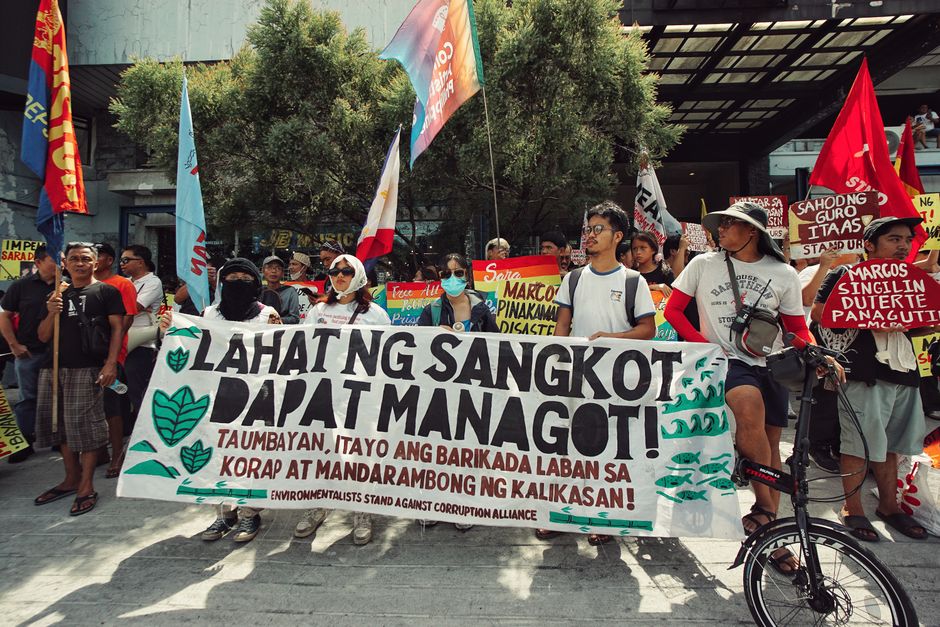
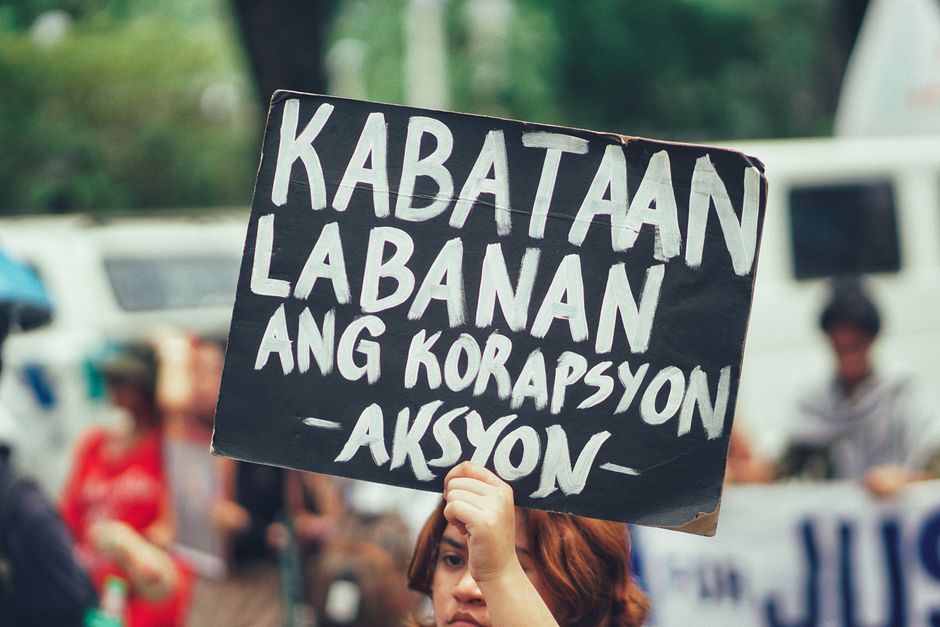
Yet, as the Prime Minister speaks of “Ghor paap” and justice, the streets outside Parliament echo with a different kind of grave sin: the sound of batons meeting flesh, and the cries of citizens demanding accountability. The ‘Chalo Sansad’ march, organized by CJP protesters, is not an isolated incident. It is a symptom of a broader, simmering discontent that has been building across India. While the specific grievances of these protesters are not detailed in the briefing, the context of mass injury suggests a severe breakdown in the relationship between the state and its citizens. This clash could easily be fueled by a multitude of unresolved issues, including, but certainly not limited to, the very same systemic corruption that facilitates paper leaks. The government’s promise of “strict action” against exam fraudsters rings hollow when juxtaposed with the reality of state force deployed against its own people, leaving more than 170 injured, some critically.
A Double Standard of Accountability
Here’s the inconvenient truth: The government’s narrative often prioritizes visible, targeted action against individual culprits in scandals like the NEET leak, while simultaneously overlooking or downplaying the systemic issues that create such vulnerabilities. Modi’s strong words against the “Ghor paap” of the paper leak are undoubtedly aimed at reassuring a frustrated populace and reasserting state control. However, the immediate and violent suppression of a protest, leading to such a high number of injuries, reveals a chilling double standard. Is the “strict action” truly reserved for those who undermine national institutions through corruption, or is it equally, if not more, vigorously applied to those who dare to question the government’s competence and demand answers?
The mainstream conversation often misses this critical distinction. We are told to focus on the ‘bad actors’ within the system, while the spotlight conveniently shifts away from the state’s own heavy-handed tactics. This isn’t just about law and order; it’s about the fundamental right to dissent in a democracy. When citizens, already disillusioned by a corrupt system that steals their future, are met with force when they voice their anger, it signals a dangerous erosion of democratic space. Who truly wins in this scenario? The government might temporarily quell visible dissent, but it loses moral authority and deepens the chasm of distrust with its youth. The real losers are the countless aspiring students and the very fabric of Indian democracy, where legitimate grievances are increasingly met with intimidation rather than dialogue. To acknowledge a “Ghor paap” in one corner while enacting another in the form of state violence against its own people is a hypocrisy that India can ill afford.

The youth of India are watching. They are the ones whose futures hang in the balance, both from the corrupt practices within examination systems and the iron fist of state response to their rightful anger. Will the “Ghor paap” of corruption truly be purged with transparency and systemic reform, or will the greater, more insidious sin be the silencing of those who dare to demand a fairer, more accountable nation? The answer will define India’s trajectory for decades to come.
Source: Times of India