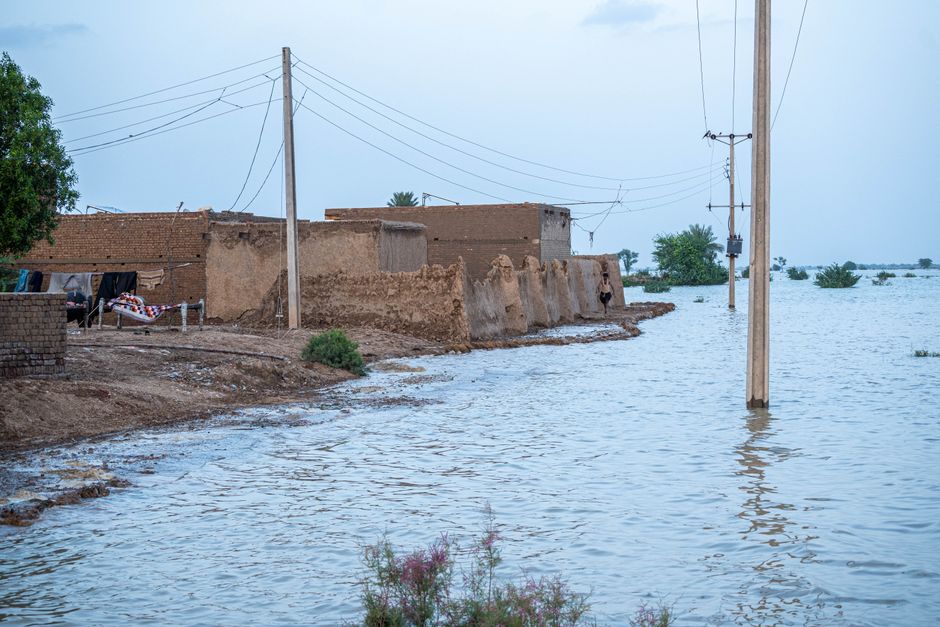
Another monsoon season, another tragic tally of lives lost. Are we collectively numb to the annual catastrophe that befalls nations like Pakistan, where the very forces of nature designed to sustain life too often become instruments of death? This isn’t just bad luck; it’s a grim report card on our priorities.
According to The New Indian Express, 12 people recently died in rain-related incidents across Pakistan’s Khyber Pakhtunkhwa province. These deaths, primarily attributed to roof collapses and flash floods, underscore a brutal reality that repeats itself with disheartening regularity.
Pakistan’s Perennial Climate Crisis
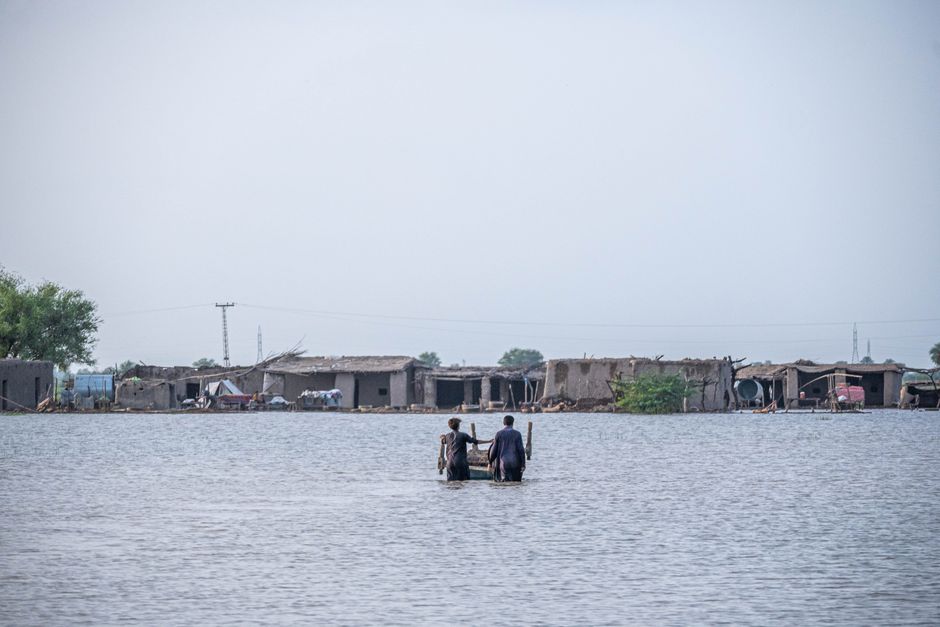
This isn’t an isolated incident; it’s a recurring nightmare. Heavy monsoon rains frequently unleash devastation across Pakistan, a country acutely vulnerable to the impacts of climate change. The region’s fragile infrastructure, often built without robust engineering standards or adequate drainage, simply cannot withstand the intensity of these increasingly erratic weather patterns. Historically, communities in these areas have relied on traditional knowledge and limited local resources to cope. However, the scale and frequency of recent events overwhelm these age-old coping mechanisms.
The human toll extends far beyond immediate fatalities. Homes are destroyed, livelihoods are shattered, and vital agricultural land is submerged. For millions, the annual monsoon brings not relief but renewed anxiety. Aid agencies and local governments scramble each year, offering temporary relief, yet the fundamental issues of preparedness and resilience remain largely unaddressed. This cycle of disaster and reactive response highlights a profound systemic failure, a pattern that demands a more sophisticated and forward-thinking approach.
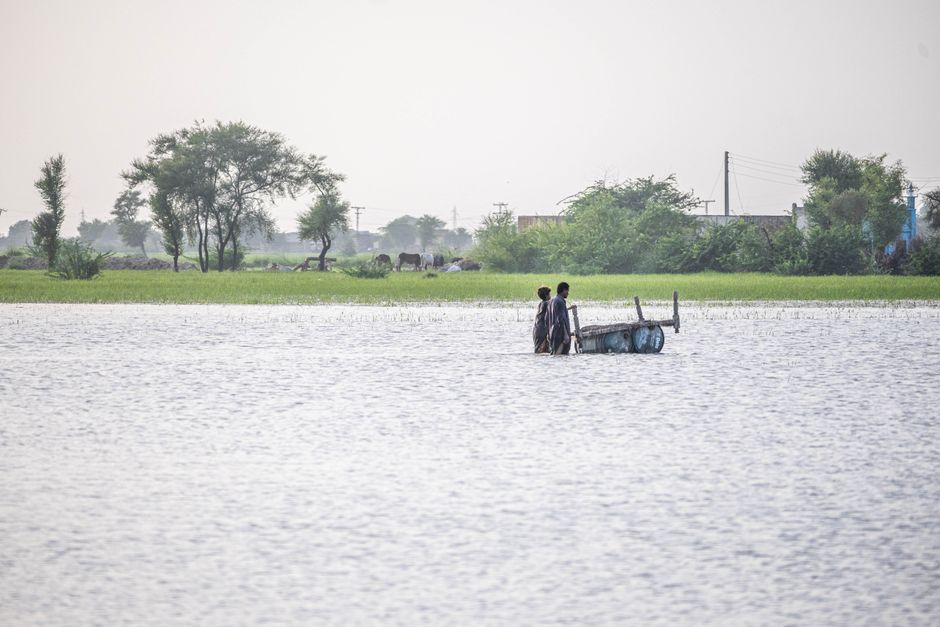
The international community offers some assistance, but often it feels like a band-aid on a gaping wound. Long-term investment in climate adaptation and resilient infrastructure is critically needed in Pakistan. Without it, these headlines will continue to appear, charting a steady, tragic climb in human suffering. Meanwhile, the global conversation often pivots to abstract climate policy, overlooking the immediate, tangible suffering on the ground.
The Unmet Promise of Technology in Disaster Resilience
Here’s the uncomfortable truth: many of these tragedies, while natural in origin, are man-made in their preventable consequences. We live in an age of unprecedented technological advancement, yet regions like Khyber Pakhtunkhwa continue to face climate calamities with what often feels like 20th-century tools. The mainstream narrative often misses the glaring opportunity that modern technology and artificial intelligence present. Imagine a world where advanced AI-driven predictive modeling could forecast monsoon intensity with pinpoint accuracy days, even weeks, in advance. This isn’t science fiction; it’s current capability.
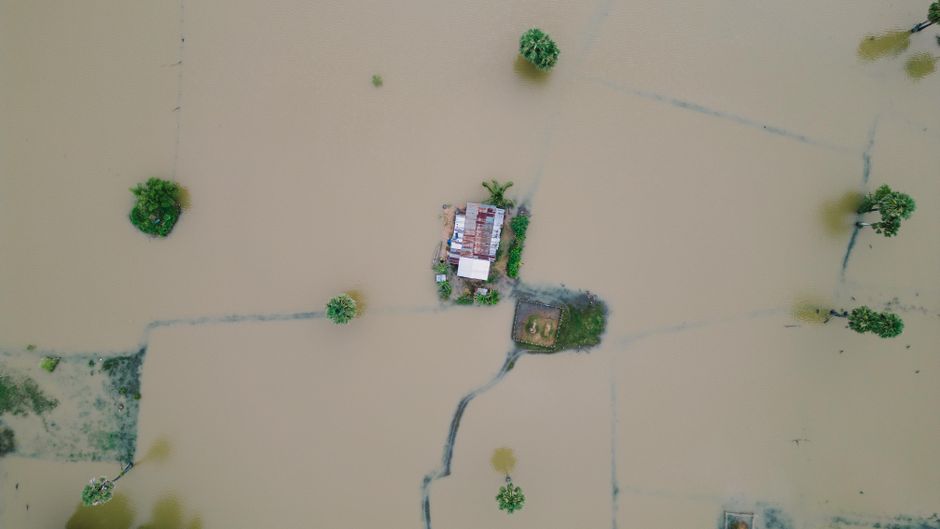
Such early warnings could trigger timely evacuations, allowing residents to secure their homes and move to safety, drastically reducing the death toll from roof collapses and sudden floods. Furthermore, AI-powered satellite imagery and drone technology could provide real-time damage assessments, directing rescue efforts precisely where they are needed most. This data-driven approach could transform disaster response from a chaotic scramble into a highly coordinated, efficient operation. Why then, is this not the default strategy in vulnerable areas of Pakistan?
The answer is complex, involving issues of funding, political will, and access to expertise. However, it also points to a broader failing: a lack of strategic investment in applying cutting-edge solutions to real-world humanitarian crises. We see incredible advancements in AI for finance, entertainment, and even warfare, yet its potential for basic human safety in regions battling climate change often remains untapped. Developing nations are not merely passive recipients of aid; they are potential partners in building resilience, given the right tools and training. The cost of inaction, as evidenced by these repeated deaths in Pakistan, far outweighs the investment in proactive, technology-driven solutions. This isn’t just about better weather apps; it’s about embedding intelligent systems into every layer of disaster preparedness, from urban planning to emergency response.
We must challenge the status quo that accepts these annual fatalities as inevitable. This isn’t just about offering condolences; it’s about demanding accountability and advocating for genuine, sustainable change. The victims in Khyber Pakhtunkhwa are not just numbers; they are a stark reminder that the future of disaster management hinges on our willingness to embrace and deploy the most powerful tools at our disposal. It’s time to stop reacting to the symptoms and start treating the disease with the intelligence we claim to possess.
Source: Google — Pakistan incidents