Another day, another high-stakes diplomatic ballet unfolding in South Asia, and this time, all eyes should be on Iran. When high-level officials from nations with a history of both cooperation and sudden confrontation meet, it’s rarely just about pleasantries. This is about power, pragmatism, and the perennial search for stability in a volatile neighborhood.
According to Anadolu Ajansı, the Iranian interior minister has arrived in Pakistan to engage in crucial bilateral cooperation talks. This visit signals a deliberate effort by both Islamabad and Tehran to reset parts of their often-strained relationship. It’s a moment that demands close attention, especially considering the recent history between these two key regional players.
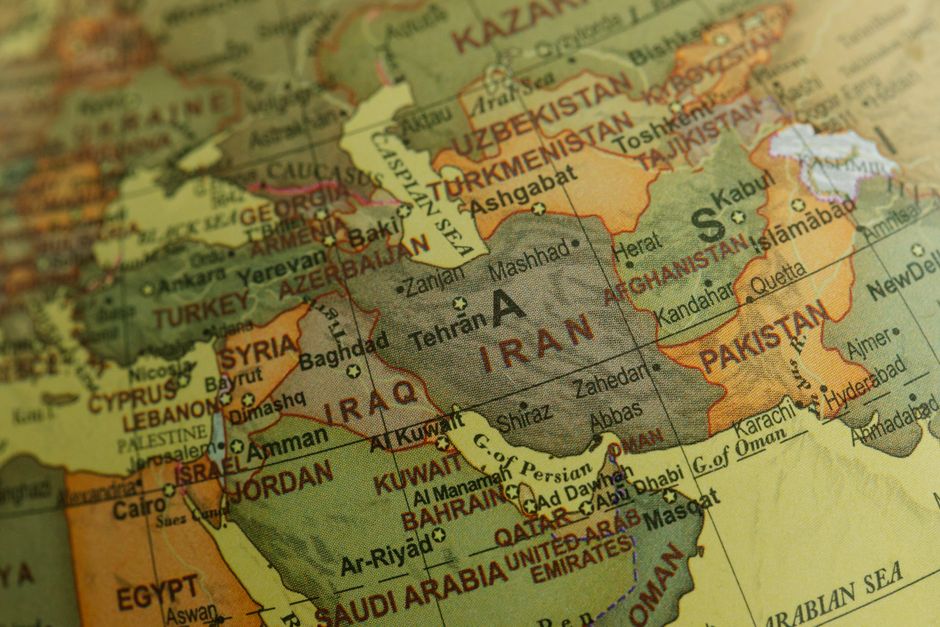
Iran’s Shifting Sands in South Asia
The timing of this visit is no accident; it comes on the heels of a particularly fraught period. Earlier this year, both nations exchanged cross-border missile strikes, escalating tensions dramatically and raising fears of a wider regional conflict. That dangerous episode, while quickly de-escalated through diplomatic channels, laid bare the fragility of their security relationship and the deep-seated mistrust that occasionally surfaces.
Both Iran and Pakistan share a vast and often porous border, a frontier frequently exploited by smugglers, drug traffickers, and various militant groups. Managing this border effectively has been a perennial challenge for both capitals. Therefore, any talks on “bilateral cooperation” will inevitably delve deep into security concerns, intelligence sharing, and coordinated efforts to curb cross-border illicit activities. This isn’t just about good neighborliness; it’s about mutual self-preservation.
Furthermore, economic factors play a substantial role. Pakistan, grappling with its own economic challenges, desperately needs reliable energy sources. Iran, rich in natural gas and oil, is a logical partner, despite the shadow of international sanctions. The long-stalled Iran-Pakistan (IP) gas pipeline project, often dubbed the “Peace Pipeline,” remains a tantalizing prospect for Islamabad, even as it navigates complex relationships with Western allies, particularly the United States. Tehran, meanwhile, is always looking to strengthen regional economic ties to circumvent or mitigate the impact of external pressures.
Beyond the Diplomatic Smile: The Real Stakes
This visit is more than just a security huddle or an energy negotiation; it’s a strategic maneuver in the broader geopolitical game of South and Central Asia. For Pakistan, engaging with Iran is a necessity, not merely an option. Maintaining a stable western border allows Islamabad to focus on its eastern front with India and manage internal security challenges. It also diversifies its diplomatic portfolio, preventing over-reliance on any single global power.
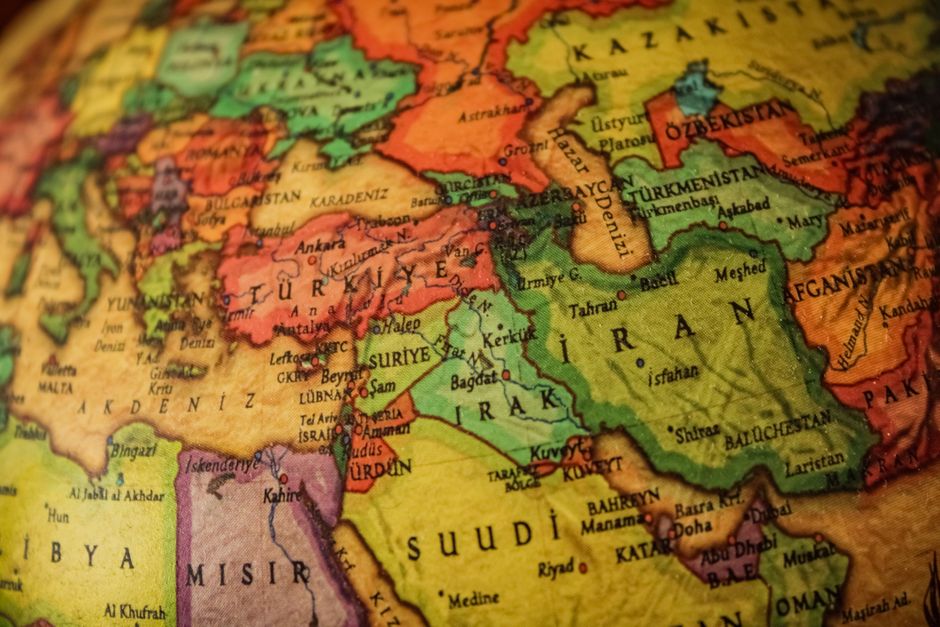
For Iran, this engagement is a clear signal of its continued regional assertiveness. Despite facing immense international pressure and domestic challenges, Tehran is actively demonstrating its capacity to forge and mend alliances with neighboring states. This isn’t just about Pakistan; it’s a message to Washington, to Riyadh, and to other regional actors that Iran remains a formidable and active participant in regional affairs. The optics of its interior minister visiting a strategically vital nation like Pakistan are powerful.
However, the path ahead is fraught with complexities. While both sides express a desire for deeper cooperation, the reality of global politics looms large. Pakistan’s relationship with the US, a major aid provider and security partner, will always complicate its ability to fully embrace economic ties with a heavily sanctioned Iran. Islamabad will need to perform a delicate balancing act, seeking to reap the benefits of Iranian energy and border security cooperation without incurring the wrath of Washington.
Moreover, the visit also has implications for other regional players. India, which has its own complex but strategically vital relationship with Iran, particularly concerning the Chabahar Port, will be watching closely. Any significant deepening of Pakistan-Iran ties could subtly alter the regional power dynamics, influencing trade routes, security postures, and diplomatic alignments. This isn’t just about two nations; it’s about the intricate web of regional interests that connect Afghanistan, China, and the broader Middle East.
Ultimately, this diplomatic overture is a pragmatic move by both Islamabad and Tehran, driven by shared security concerns and economic imperatives. Whether this visit marks a true turning point toward genuine, lasting cooperation or merely a strategic pause in a volatile region remains to be seen. But make no mistake: the ripples from Islamabad will spread far beyond its immediate borders, shaping the future of South Asia for years to come.
Source: Google — South Asia