
They call them cockroaches, dismiss them as pests, but in **India**, a new generation is proving that even the smallest creatures can bring down giants. When the state tries to squash dissent, it often finds it only makes the movement multiply.
According to ABC News, India’s youth-led “Cockroach movement” has defiantly vowed to continue its protests, even in the face of a brutal police crackdown. This isn’t just a headline; it’s a declaration of war on apathy, a refusal to be silenced by the usual strong-arm tactics.
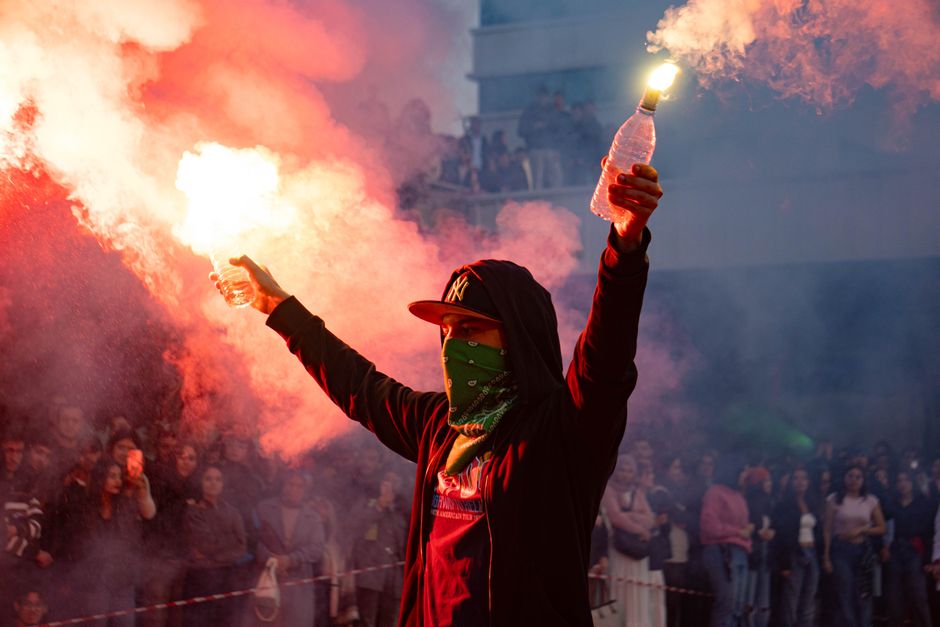
The Unfolding Context in India
This “Cockroach movement” isn’t an anomaly; it’s a symptom. Across **India**, young people are increasingly frustrated with a political and economic landscape that seems rigged against them. Whether it’s the scarcity of jobs, the erosion of civil liberties, or specific governmental policies that prioritize power over progress, the youth are feeling the squeeze. They are tired of being told to wait their turn, to accept their lot, or to simply be grateful for what little is offered. Instead, they are organizing, finding their voice, and demanding accountability from a system that often treats them with disdain. The very name “Cockroach movement” is a defiant reclamation of an insult, turning a pejorative into a badge of honor. It signals resilience, an ability to survive and thrive even in the harshest environments. This is why the government’s response has been so swift and forceful.
A state facing widespread youth unrest often resorts to suppression. It’s a classic playbook: discredit the movement, label its members as troublemakers or anti-nationals, and then use the full force of law enforcement to break their spirit. However, history teaches us that such tactics rarely succeed in the long run. They might scatter the immediate protest, but they often plant deeper seeds of resentment and galvanize further resistance. This particular moment is critical because it forces a choice: either the government genuinely addresses the underlying grievances, or it risks alienating an entire generation that will one day inherit the nation.
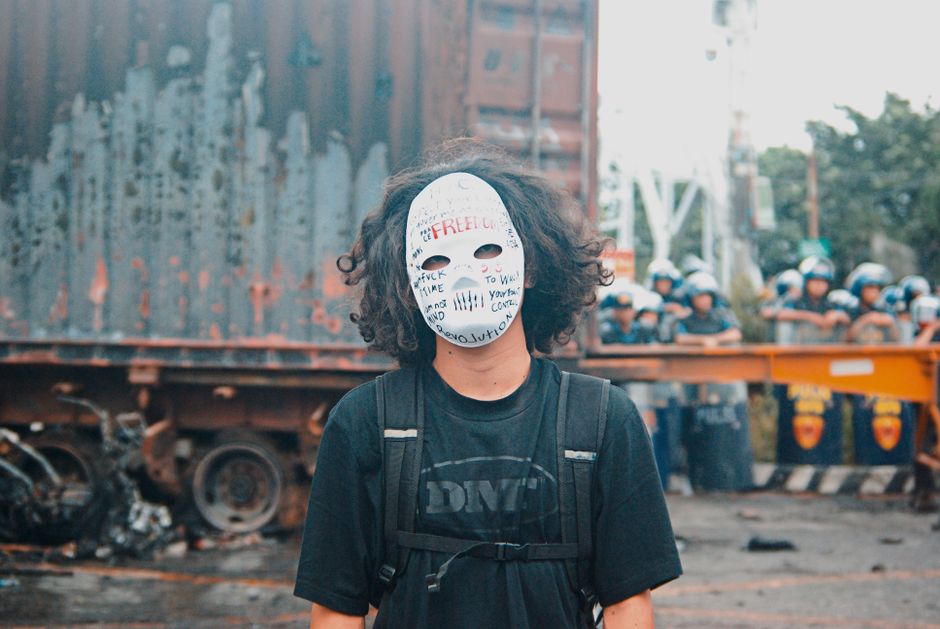
The Stakes of Suppression
This police crackdown isn’t just about controlling crowds; it’s about controlling the narrative and, ultimately, controlling the future. The powers that be understand the existential threat a sustained, youth-led movement poses. If these “cockroaches” prove too resilient to stamp out, they could inspire others, creating a wave of dissent that becomes impossible to manage. The immediate win for the authorities is a temporary cessation of visible protest, a clearing of the streets. However, the long-term cost is far greater. They lose trust, they expose their own fear, and they ironically give the movement more fuel and more legitimacy. Every batoned student, every tear-gassed demonstrator, becomes a martyr in the eyes of their peers and a testament to the government’s heavy-handedness.
On the other hand, the youth, despite the physical pain and legal challenges, gain something invaluable: solidarity and a deeper commitment to their cause. They learn that their actions have an impact, that their voices, however inconvenient, are heard. Some might argue that a strong hand is necessary to maintain order, especially in a diverse and complex nation like **India**. However, order at the expense of justice and freedom of expression is not order; it is oppression. The mainstream media might downplay the significance of such crackdowns, framing them as isolated incidents of law enforcement. But beneath the surface, a deeper ideological battle is brewing, one that pits the aspirations of a new generation against the entrenched interests of the old guard. This confrontation is about more than just specific demands; it’s about who gets to define the future of the world’s largest democracy.

The Cockroach movement, by its very defiance, has laid bare the fragility of power when confronted with persistent, collective will. As the dust settles from this latest police action, the true test begins. Will the government learn that you cannot extinguish a fire by merely dousing the visible flames, or will they continue to fan the embers of discontent, guaranteeing a bigger blaze tomorrow? The youth of India have spoken. Now, it’s up to the state to decide if it will listen, or merely prepare for the inevitable swarm.
Source: Google — South Asia