The ongoing saga of Canada’s energy future took another turn this week, as the government attempts to reconcile climate goals with economic realities, hinting at where **Canada Strikes** its balance.
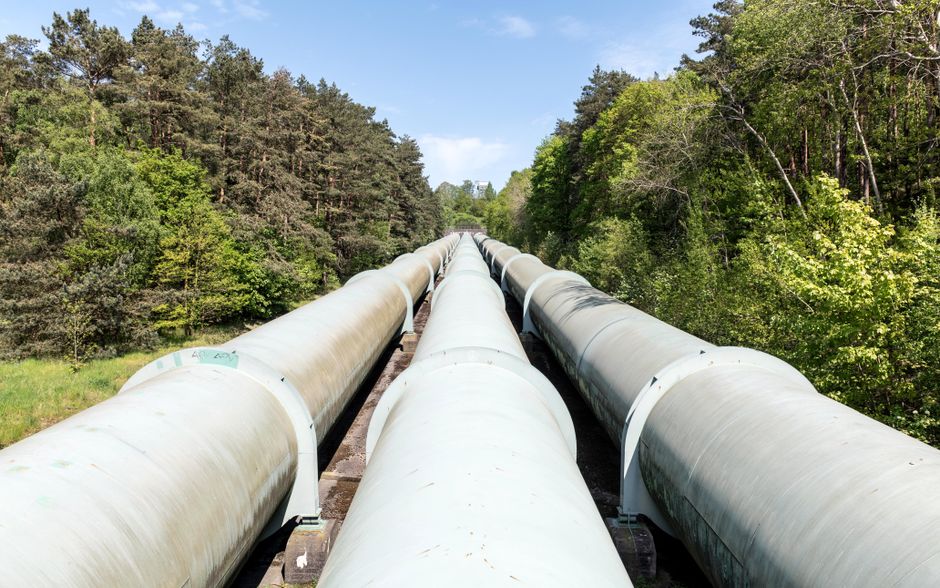
Energy Minister Tim Hodgson appeared in an interview reported by the Financial Post, discussing the federal government’s plan to advance a new 1 million-barrel-a-day oil pipeline to the west coast. The political context is, as ever, a tightrope walk: balancing the economic imperative of a major resource-producing nation with increasingly urgent climate commitments and the rights of Indigenous communities. The minister’s messaging aimed to frame the pipeline as a pragmatic solution born from arduous negotiation.
What landed
Minister Hodgson’s central message was clear: the pipeline deal represents a hard-won “middle ground.” He presented it as the outcome of “hard choices” made by both governments and oil companies. This framing is designed to suggest that all parties, perhaps grudgingly, have made concessions for the greater good. It’s a classic political manoeuvre, attempting to paint a complex, often contentious, issue as a balanced compromise where no single stakeholder achieved absolute victory.
The sheer scale of the project – a new pipeline capable of transporting a million barrels of oil daily – is a significant reveal in itself. It signals a substantial, long-term commitment to oil export capacity, a move that will undoubtedly be welcomed by the energy sector. Hodgson’s comments underscored the government’s determination to push such projects forward, suggesting a resolve to overcome past hurdles that have plagued similar initiatives. The implication is that this “middle ground” will finally provide the certainty the industry has long craved, even if it comes wrapped in the language of shared sacrifice.
What doesn’t add up
While Minister Hodgson spoke of a “middle ground” and “hard choices,” the interview, as reported, was conspicuously light on specifics regarding the nature of those choices or the parties involved in making them. For whom, precisely, were these choices “hard”? Was it hard for governments to approve a major oil project in an era of climate urgency, or hard for oil companies to accept *any* additional regulatory burden? The vagueness invites skepticism.
The very notion of a new 1 million-barrel-a-day oil pipeline being a “middle ground” in 2026 demands closer scrutiny. In a world grappling with the climate crisis, where does a project of this magnitude fit into Canada’s stated ambitions for emissions reductions? One might argue that “middle ground” here serves less as a descriptor of genuine compromise and more as a rhetorical device to appease disparate constituencies. It allows the government to signal support for the energy sector while simultaneously claiming environmental prudence, without necessarily detailing how these two seemingly opposed forces genuinely converge. The critical detail often missing from such declarations is exactly *who* is giving up what, and whether the concessions are truly symmetrical. Without further elaboration, the “hard choices” for oil companies remain largely undefined, leading one to wonder if the ‘compromise’ is more heavily weighted on one side of the ledger.
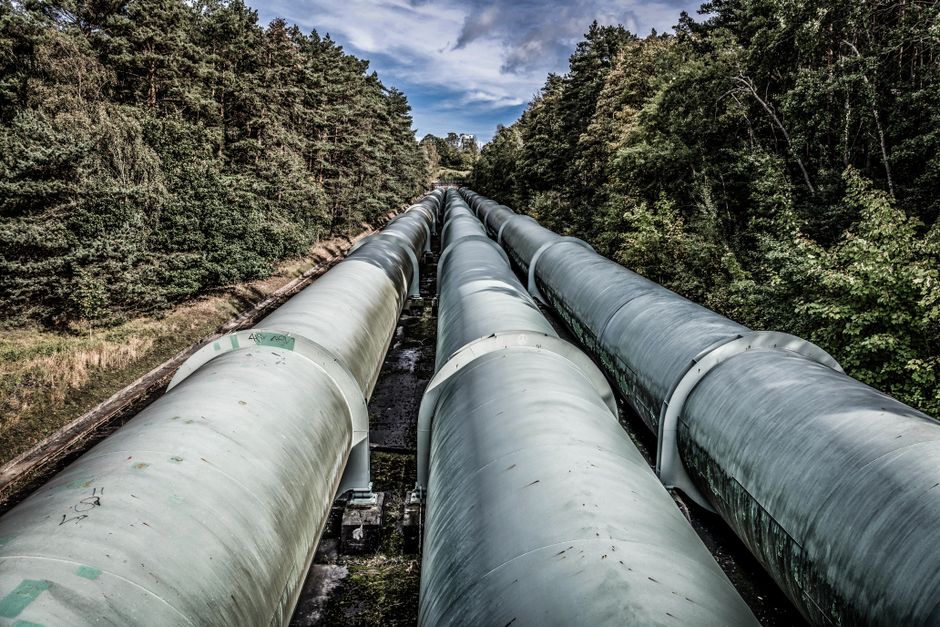
Monday morning, this pipeline deal, however it’s framed, means concrete action for the energy sector and renewed strategic calculations for environmental groups. For the government, it’s a test of whether their “middle ground” can hold against the inevitable political and legal challenges, or if it will simply become the next battleground in Canada’s ongoing energy debate.
Source: OnTheRecord