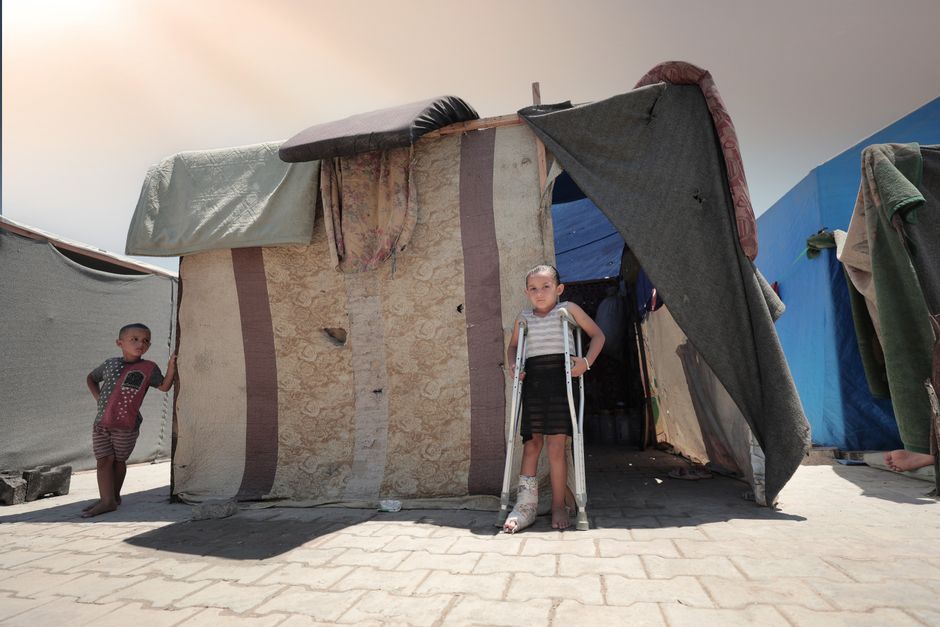
The haunting photographs of Alan Gignoux, currently on display at the P21 Gallery in London, are a stark reminder of the devastating consequences of war and displacement, as he captures the poignant stories of Palestinian refugees and the ruins of their former homes. According to the Guardian Middle East, Gignoux’s black and white portraits are accompanied by eyewitness accounts, providing a glimpse into the lives of those who were forced to flee during the 1948 Arab-Israeli war. As we gaze upon these resonant images, we are met with a landscape as desolate as the people who once called it home, a testament to the enduring legacy of conflict and the unyielding spirit of those who refuse to forget.
The exhibition, titled “Homeland Lost”, is a powerful tribute to the resilience of the human spirit, as Gignoux’s camera lens bears witness to the remnants of a once-thriving community, now reduced to rubble and silence. Reuters reports that the 1948 Arab-Israeli war resulted in the displacement of hundreds of thousands of Palestinians, who were forced to leave behind their homes, their livelihoods, and their sense of identity. As we walk through the gallery, we are struck by the sheer scale of the devastation, and the overwhelming sense of loss that pervades every aspect of these refugees’ lives.
The Enduring Legacy of Alan Gignoux
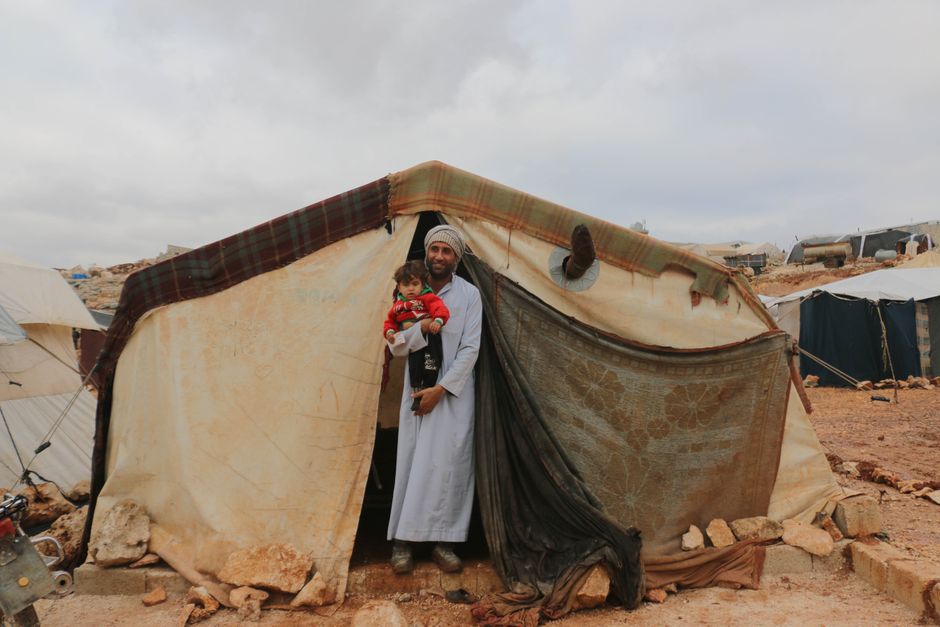
The work of Alan Gignoux is a masterclass in documentary photography, as he weaves together a narrative that is both deeply personal and universally relatable. Through his lens, we are invited to bear witness to the stories of those who have been marginalized, displaced, and forgotten. As we reflect on the significance of Gignoux’s work, we are reminded that the legacy of conflict is not just a matter of history, but a living, breathing reality that continues to shape the lives of generations to come. The photographs of Alan Gignoux are a powerful reminder of the importance of preserving our collective memory, and the need to honor the stories of those who have been silenced by the passage of time.
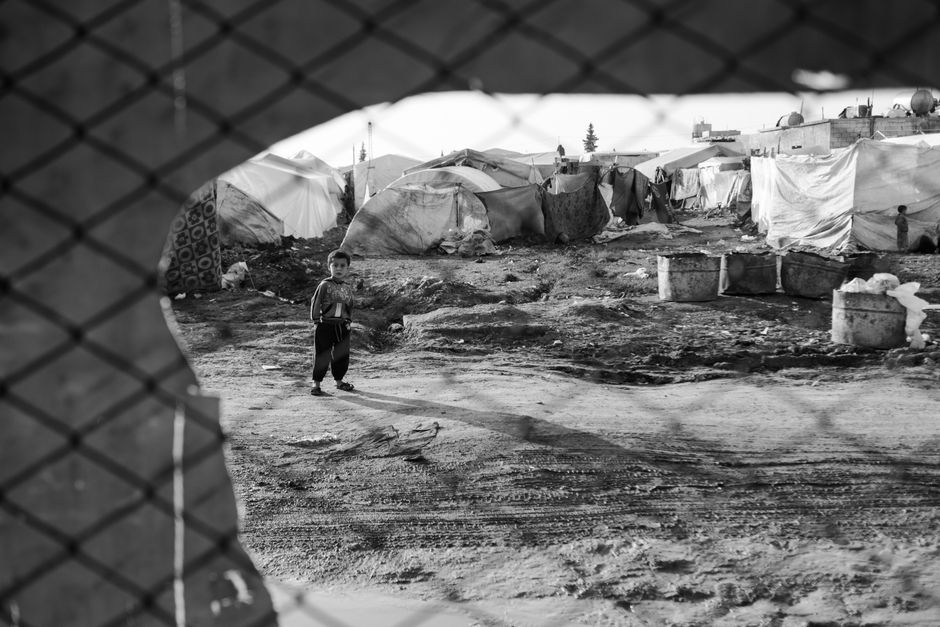
However, as we delve deeper into the world of Gignoux’s photographs, we are also confronted with the uncomfortable truth that the displacement of Palestinians is not just a historical event, but an ongoing reality. The Guardian Middle East reports that many Palestinian refugees continue to live in squalid conditions, denied their right to return to their ancestral homeland. As we gaze upon the haunting landscapes and portraits that fill the gallery, we are forced to confront our own complicity in this ongoing tragedy, and the role that our governments and institutions have played in perpetuating the suffering of the Palestinian people.
The Power of Documentary Photography
The photographs of Alan Gignoux are a testament to the enduring power of documentary photography, as a medium that can capture the essence of the human experience, and convey the complexity of social and political issues. Through his work, Gignoux reminds us that documentary photography is not just about capturing reality, but about shaping our perception of the world, and challenging our assumptions about the people and places that we think we know. As we reflect on the significance of Gignoux’s photographs, we are reminded that the best documentary photography is not just about telling a story, but about creating a sense of empathy and understanding, that can bridge the gaps between different cultures and communities.
Meanwhile, the exhibition “Homeland Lost” also raises important questions about the role of art and photography in shaping our understanding of the world. As we walk through the gallery, we are struck by the sheer beauty and elegance of Gignoux’s photographs, which seem to belie the harsh realities of the world that they depict. However, it is precisely this tension between beauty and ugliness, between light and darkness, that gives Gignoux’s photographs their power and their resonance. As we gaze upon these images, we are forced to confront the complexity of the human experience, and the ways in which our perceptions of the world are shaped by our own biases and assumptions.
The Lasting Impact of Alan Gignoux’s Work
The photographs of Alan Gignoux are a powerful reminder of the lasting impact that documentary photography can have on our understanding of the world. As we reflect on the significance of Gignoux’s work, we are reminded that the best documentary photography is not just about capturing reality, but about shaping our perception of the world, and challenging our assumptions about the people and places that we think we know. The work of Alan Gignoux is a testament to the enduring power of photography, as a medium that can capture the essence of the human experience, and convey the complexity of social and political issues. As we gaze upon the haunting landscapes and portraits that fill the gallery, we are forced to confront the uncomfortable truth that the displacement of Palestinians is not just a historical event, but an ongoing reality, and that the work of Alan Gignoux is a powerful reminder of the importance of preserving our collective memory, and the need to honor the stories of those who have been silenced by the passage of time.
As we leave the gallery, we are left with a sense of awe and reverence for the work of Alan Gignoux, and a deep appreciation for the power of documentary photography to capture the essence of the human experience. The photographs of Gignoux are a powerful reminder of the importance of preserving our collective memory, and the need to honor the stories of those who have been silenced by the passage of time. In fact, the work of Alan Gignoux is a testament to the enduring legacy of documentary photography, as a medium that can capture the complexity of social and political issues, and convey the human cost of conflict and displacement. Therefore, as we reflect on the significance of Gignoux’s photographs, we are reminded that the best documentary photography is not just about telling a story, but about creating a sense of empathy and understanding, that can bridge the gaps between different cultures and communities.
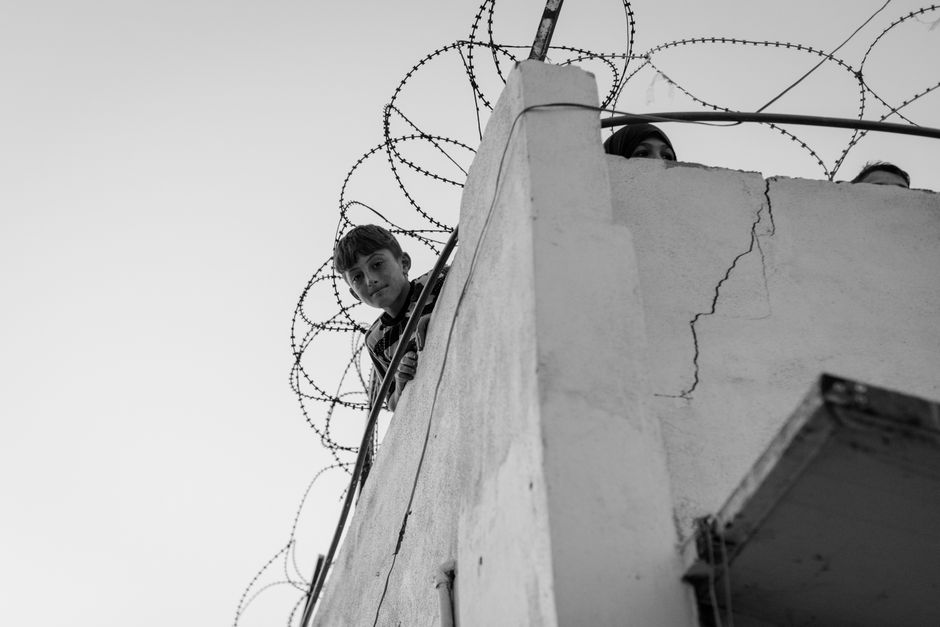
In conclusion, the photographs of Alan Gignoux are a powerful reminder of the devastating consequences of war and displacement, and the enduring legacy of conflict and the unyielding spirit of those who refuse to forget. As we gaze upon these haunting images, we are forced to confront the uncomfortable truth that the displacement of Palestinians is not just a historical event, but an ongoing reality, and that the work of Alan Gignoux is a powerful reminder of the importance of preserving our collective memory, and the need to honor the stories of those who have been silenced by the passage of time. The exhibition “Homeland Lost” is a testament to the enduring power of documentary photography, as a medium that can capture the essence of the human experience, and convey the complexity of social and political issues. As we leave the gallery, we are left with a sense of awe and reverence for the work of Alan Gignoux, and a deep appreciation for the power of documentary photography to capture the human cost of conflict and displacement.
Source: Guardian Middle East