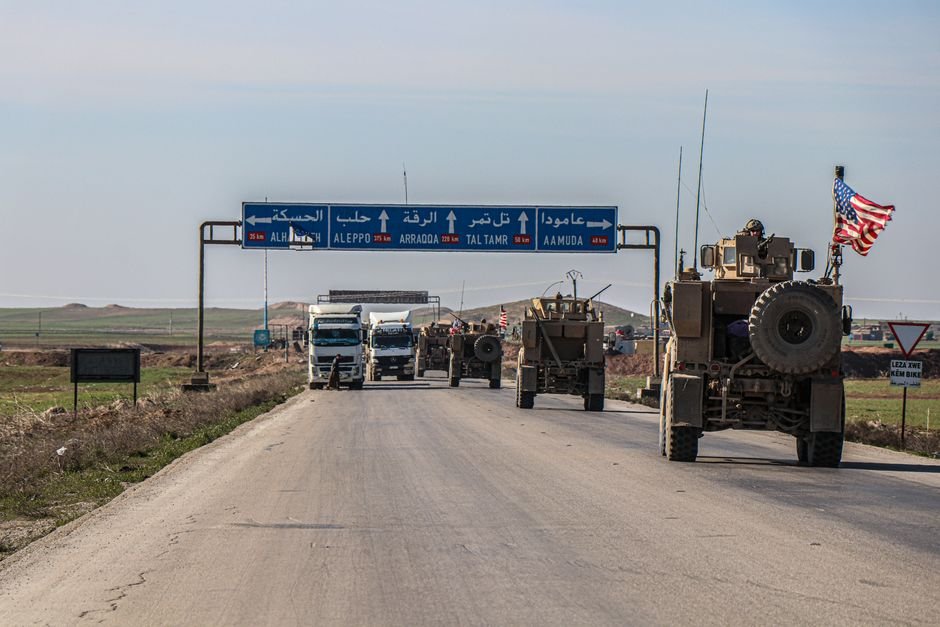
The Middle East is once again under the shadow of military aggression, and the stakes could not be higher. The US military has ramped up operations, striking “multiple targets” in Iran for the second consecutive day, according to the Associated Press. This escalation is a striking reminder that no one ever really escapes the cycle of violence in this tumultuous region.
The Current Context in the Middle East
The recent strikes come amid escalating tensions that have been brewing for years. Iran’s nuclear ambitions, military support for proxy groups, and a series of attacks against US interests have put the country on a collision course with Washington. Each provocation feeds into a narrative that justifies American military action. Now, with reports of bombardments targeting Iranian sites, it becomes clear that the situation is deteriorating fast.
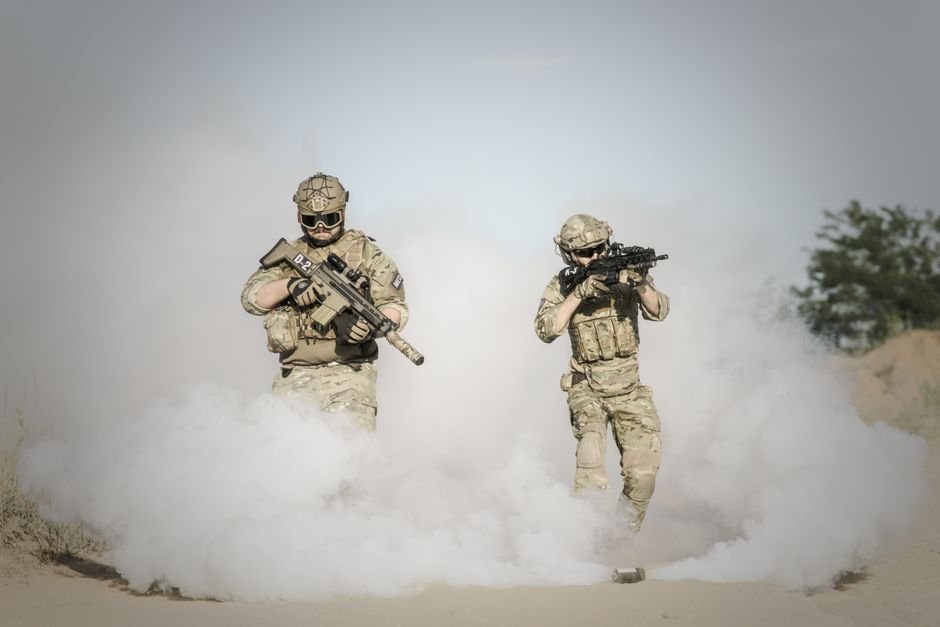
The Middle East has always been a powder keg, but the current geopolitical landscape is particularly volatile. With the Biden administration focusing on strategic containment, US military engagement in Iran signals a renewed commitment to countering what it perceives as Iranian aggression. However, this heavy-handed approach is fraught with risks.
Hot Takes on Military Actions in the Middle East
What’s at stake here? The glaring reality is that these military actions are unlikely to topple Iran’s resolve; in fact, they could strengthen it. The Iranian leadership thrives on a narrative of victimization, and US strikes will only reinforce their claims. This may incite further retaliation, drawing the US deeper into an endless quagmire.
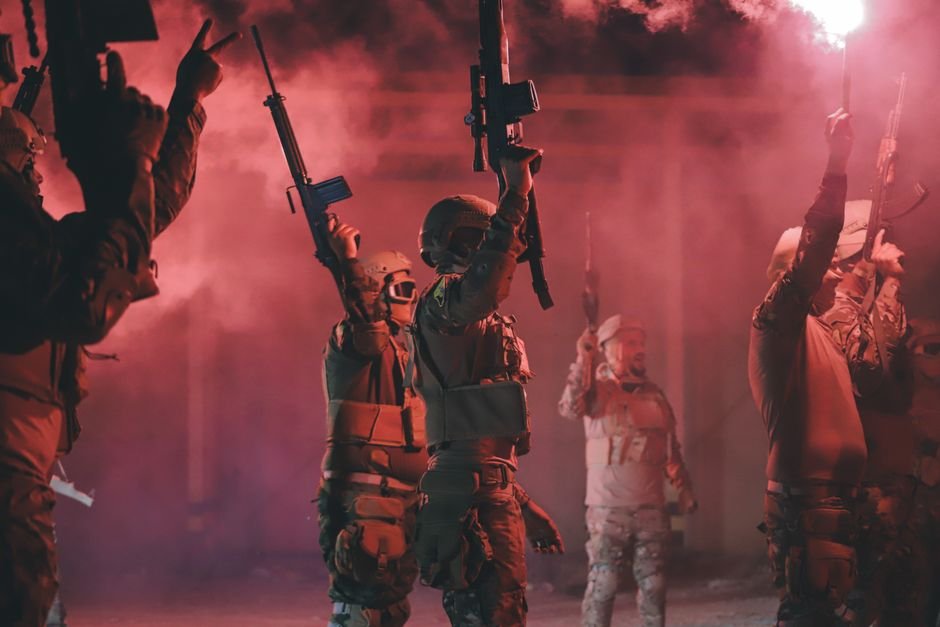
Moreover, the implications for the wider Middle East are dire. Allies like Israel may view this as a green light for their own military actions, while adversaries may see an opportunity to unite against a common enemy. The cycle of attack and counterattack seems poised to spiral out of control.
But let’s not overlook the domestic ramifications in the United States. Public sentiment is increasingly weary of endless wars. As more Americans learn the costs—both financial and human—of military engagement in the Middle East, political pressure will mount on leaders, pushing them towards reevaluation of military commitments.
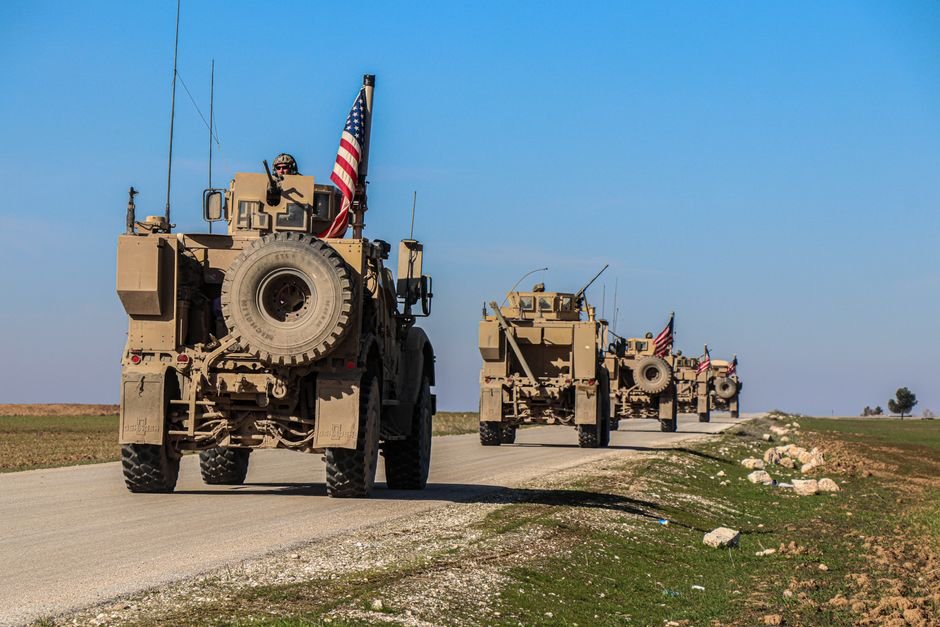
The mainstream media often glosses over the intricate dynamics at play. They focus solely on the immediate actions and not the long-term consequences, which could destabilize the region further. Diplomatic initiatives are sidelined, and hawkish strategies take center stage, risking a larger conflict that no one can afford.
As this situation unfolds, one can’t help but wonder: will the US learn from its past mistakes, or are we watching history repeat itself? The Middle East has a way of entangling those who venture in with the best of intentions, and the current military strikes may only serve to ignite a fire that’s been simmering for too long. In this high-stakes game of chess, the moves made today could result in checkmate for all involved.
The question lingers: can cooling heads prevail, or will the Middle East, once again, become the stage for devastating conflict?
Source: Google — Middle East