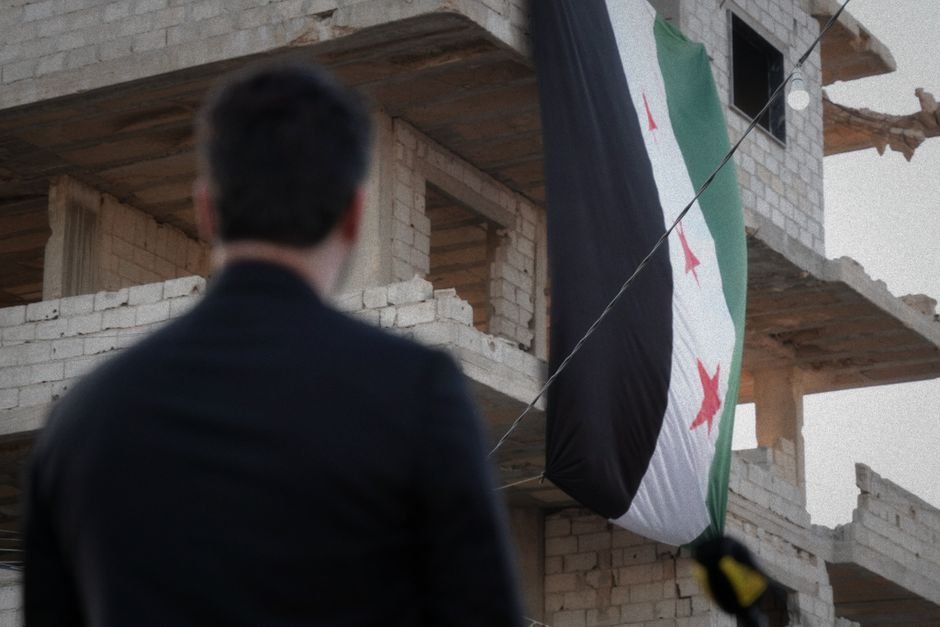
The relentless cycle of violence in the Middle East seems poised to escalate once again, fueled by the incendiary rhetoric of former President Trump. His recent declaration, “We’re going to be attacking Iran,” following the downing of a U.S. helicopter, is more than just bluster; it’s a dangerous provocation that could have far-reaching consequences.
According to PBS, Trump made his comments after the incident, signaling a possible military response that would further entrench the U.S. in the ongoing conflicts of the region. As tensions rise, the stakes couldn’t be higher for both American and Iranian interests.
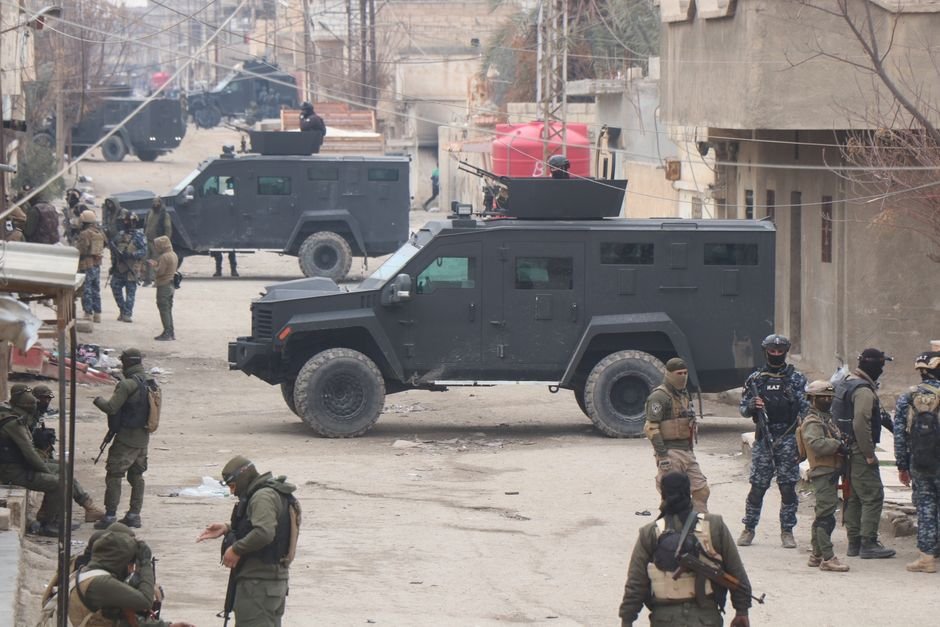
The Context of Tensions in the Middle East
The Middle East has long been a flashpoint for geopolitical strife, with Iran at the center of many recent controversies. The downing of a U.S. helicopter is not merely a tactical loss; it’s emblematic of the broader struggle for influence in a region fraught with conflict. The U.S. has been embroiled in various military engagements in the Middle East for decades, and with Iran’s continued assertiveness, the potential for miscalculation has never been greater.
Trump’s comments come at a time when the Biden administration is trying to navigate a complex web of diplomatic relationships in the Middle East, particularly as it relates to Iran’s nuclear ambitions. The former president’s provocative stance threatens to undermine any efforts at diplomacy and instead push both nations closer to a military confrontation. This isn’t just about a helicopter—it’s about the future stability of a volatile region.
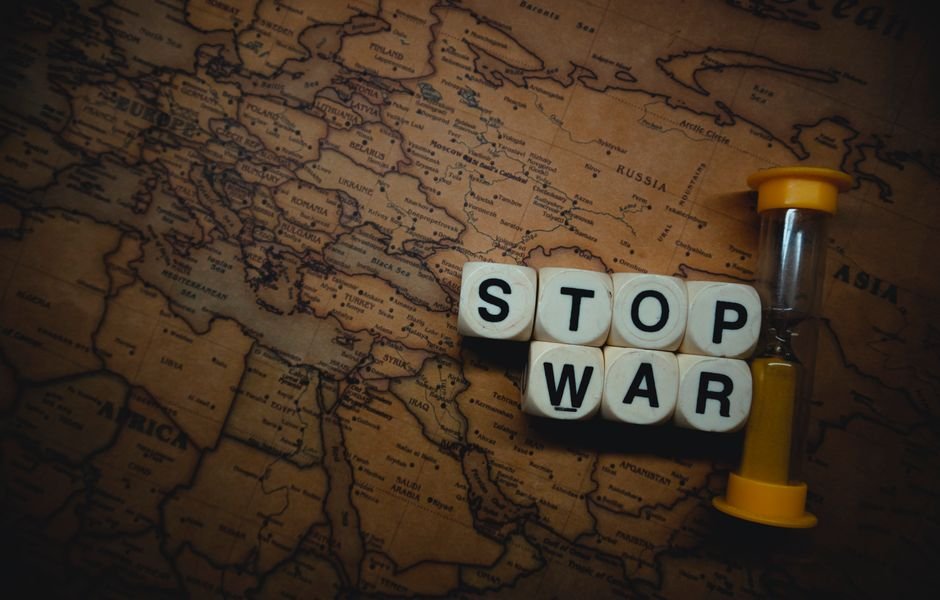
Analyzing the Stakes of Military Action in the Middle East
So what exactly are the stakes here? If Trump’s rhetoric translates into action, we could see a significant increase in military presence and hostilities in the Middle East. A direct attack on Iran would not only escalate tensions with Tehran but could also draw in regional allies and adversaries, leading to a conflict that could engulf the entire Middle East.
Moreover, let’s not forget the internal politics at play. Trump’s statements may be aimed at galvanizing his base, capitalizing on nationalist sentiments that often see military might as a badge of honor. Yet, this approach is foolhardy; it ignores the chaotic realities on the ground and the disastrous outcomes of previous U.S. military interventions in the Middle East.
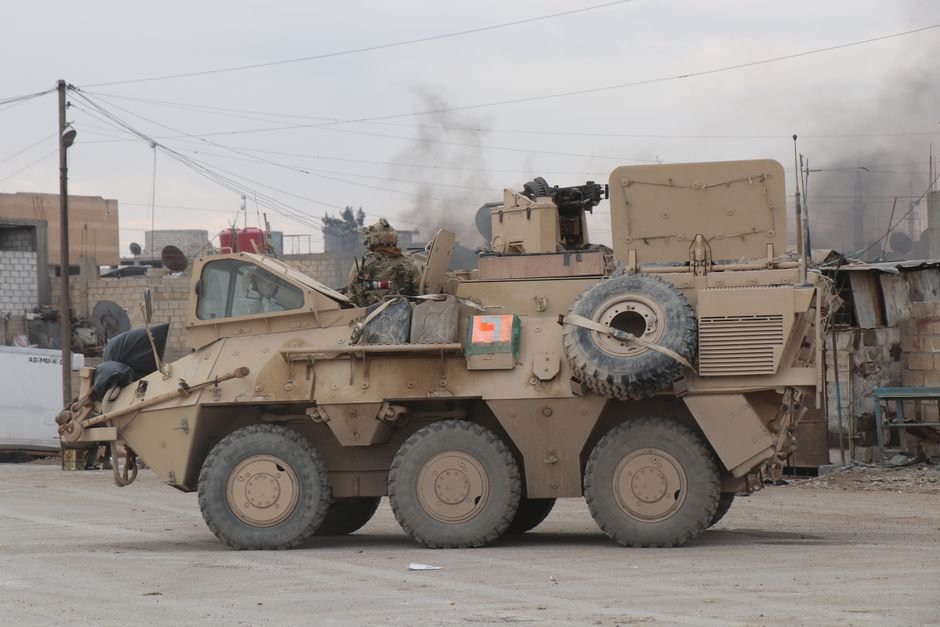
While some may argue that a show of strength is necessary to deter Iran, the mainstream narrative misses a critical point: military action often begets more violence. A cycle of retaliation can ensue, resulting in loss of life and further destabilizing an already fragile region. The long-term consequences could be disastrous, both for the U.S. and for the people of the Middle East.
In a world where diplomacy could offer a path forward, Trump’s rhetoric threatens to drown out more measured voices advocating for dialogue. It’s unclear what an “attack” on Iran would even look like in today’s geopolitical climate, but one thing is certain: the ripple effects could reverberate for years.
As we watch this dangerous escalation unfold, one must ask: are we truly ready to face the consequences of another military engagement in the Middle East? Because if history teaches us anything, it’s that the costs are staggering, and the resolution remains elusive.
Source: Google — Middle East