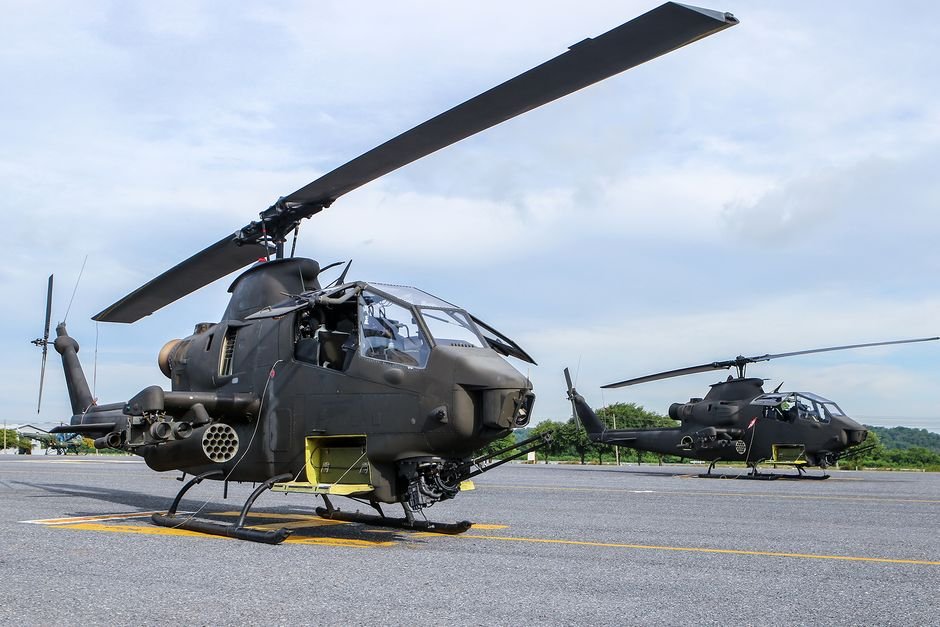
In a volatile Middle East, the U.S. military is once again flexing its muscles, this time with airstrikes against Iran after an Apache helicopter was shot down. Did we really think the region would see a long pause in hostilities? According to the Wall Street Journal, these strikes are a direct response to a situation that many have long feared would escalate.
The Latest Escalation in the Middle East
The Wall Street Journal reports that the U.S. launched strikes on Iran following the downing of its Apache helicopter, an incident that paints a vivid picture of escalating tensions in an already fraught region. This military action is not just a show of force; it signifies a dangerous cycle of retribution that could spiral out of control at any moment. As if the Middle East wasn’t chaotic enough, this move sets a precedent for more aggressive engagements.
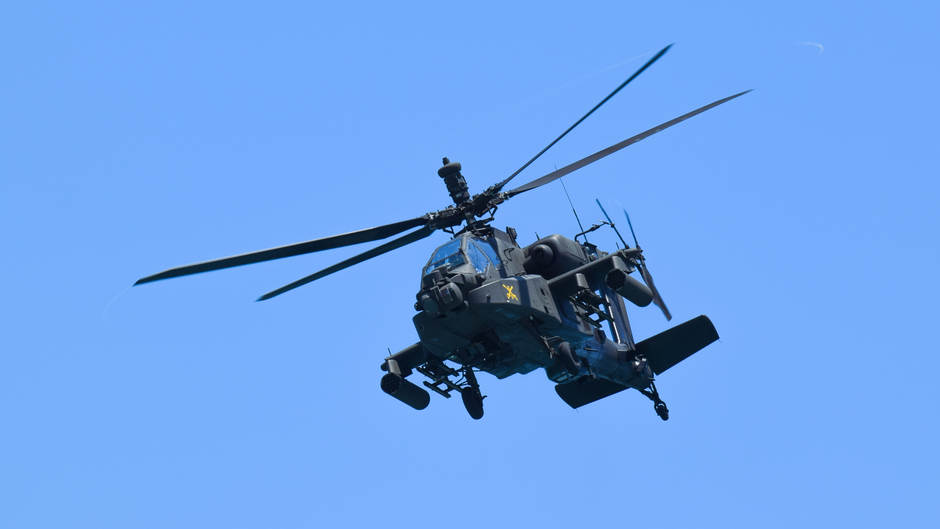
This incident reflects a deeper malaise in U.S.-Iran relations, rooted in years of conflict and mutual distrust. Iran’s military actions have consistently provoked U.S. interests in the Middle East, while the U.S. response often oscillates between diplomatic overtures and military strikes. The players in this high-stakes game are well-known: Iran’s Revolutionary Guard, U.S. forces in the region, and the various proxy groups that are often the first to engage in hostilities.
The Stakes of Military Action in the Middle East
What does this mean for the broader geopolitical landscape? On one hand, the U.S. strikes may serve as a short-term deterrent against Iranian aggression, but they also risk igniting a broader conflict. The involved parties are already walking a tightrope, and a miscalculation could lead to catastrophic consequences. Each missile fired and each retaliatory strike only deepens the trench of animosity.
Moreover, the mainstream narrative often fails to capture the complexity of these actions. The U.S. strikes are framed as necessary defense, yet they reinforce the cycle of violence that has plagued the Middle East for decades. What aren’t we acknowledging? The potential backlash on U.S. troops and the civilians caught in the crossfire is often glossed over. The Pentagon may justify its actions under the banner of national security, but at what cost? The people in the region are already paying the price for this ongoing conflict.
The irony is palpable: the U.S. is caught in a loop of intervention, with each action leading to a reaction that further complicates an already unstable situation. Diplomacy seems like an afterthought when airstrikes are on the table. Will we ever break this vicious cycle, or are we doomed to repeat the history of escalation in the Middle East?
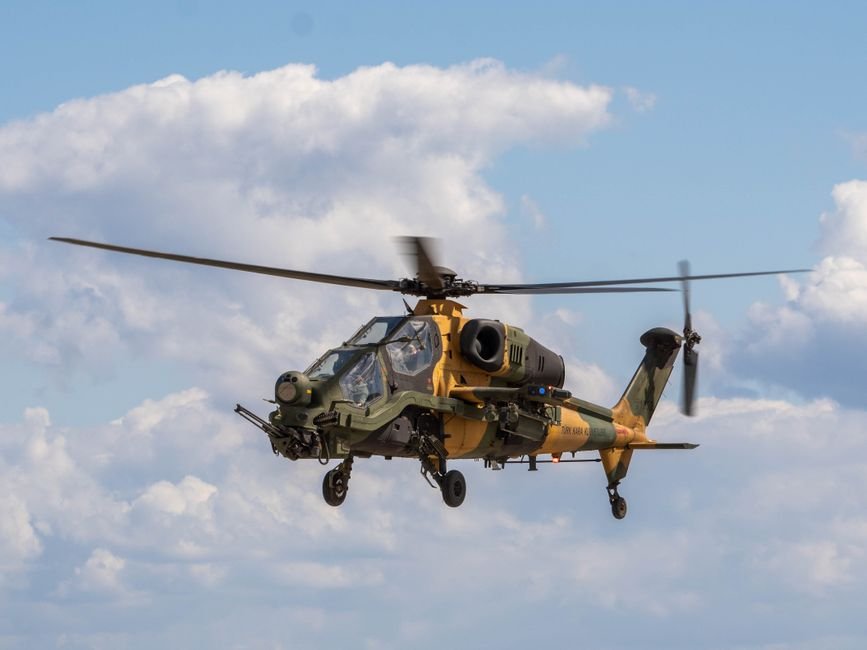
In closing, as the dust settles from the latest airstrikes, the question looms larger than ever: how far are we willing to go in the Middle East, and who truly stands to benefit from this ongoing conflict? The answer may be as complex as the region itself, but one thing is clear: tensions are rising, and there’s no easy resolution in sight.
Source: Google — Middle East