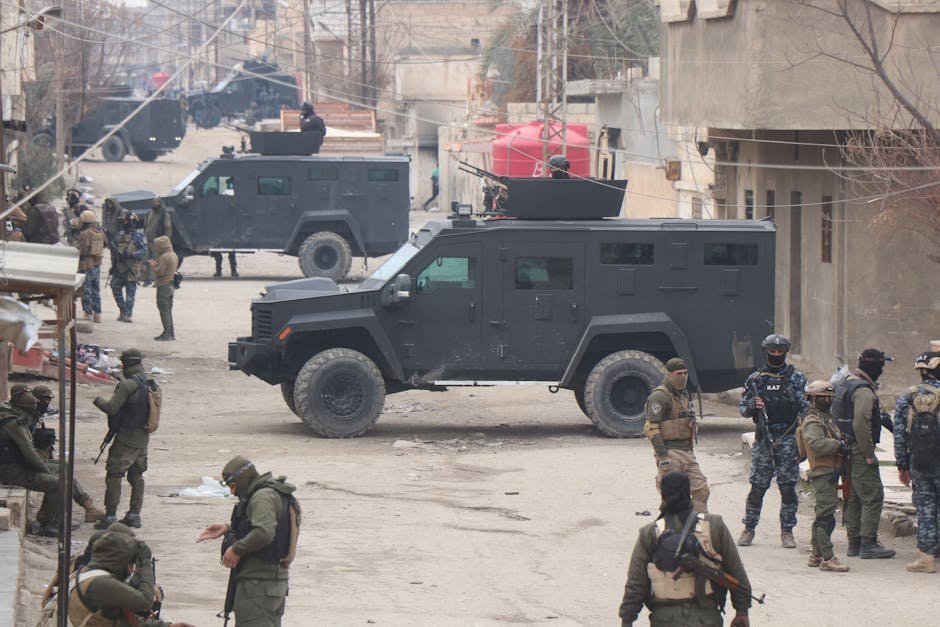
The Middle East has long been a theater of conflict, but the latest skirmishes between the U.S. and Iran prove that the region continues to be a dangerous chessboard. Can we really trust peace talks when the players are still armed to the teeth? According to Axios, U.S. forces and Iranian proxies clashed again, even as negotiations for a possible ceasefire hang in the balance.
The Moment of Truth for the Middle East
This isn’t just a minor dust-up; it’s a critical juncture in a protracted drama that has seen countless lives upended. The recent clashes come at a time when both nations are ostensibly seeking dialogue, yet the reality is that tensions have never been higher. The U.S. has been involved in military operations to counter Iranian influence in the region, while Iran remains defiant, showing no signs of backing down. As the United States pushes for diplomatic solutions, the warmongers on both sides seem intent on fanning the flames of violence.
The irony here is palpable. While diplomats shake hands and express their hopes for a peaceful resolution, boots on the ground are marching to a different drum. The players involved—U.S. military forces and Iranian proxies—are not merely pawns in this game; they are the pieces that will dictate the outcome of the region’s future. The stakes are high, and as history has shown, trust is often in short supply in the Middle East.
The Perils of Diplomatic Double-Talk
What’s at play here is a classic case of “talking out of both sides of your mouth.” On one hand, you have the U.S. eager to curb Iran’s expanding influence, and on the other, Iran is not just sitting back and accepting defeat. Each side is measuring its strength, and every clash serves as a reminder that diplomacy can often be a thin veneer over a depth of hostility.
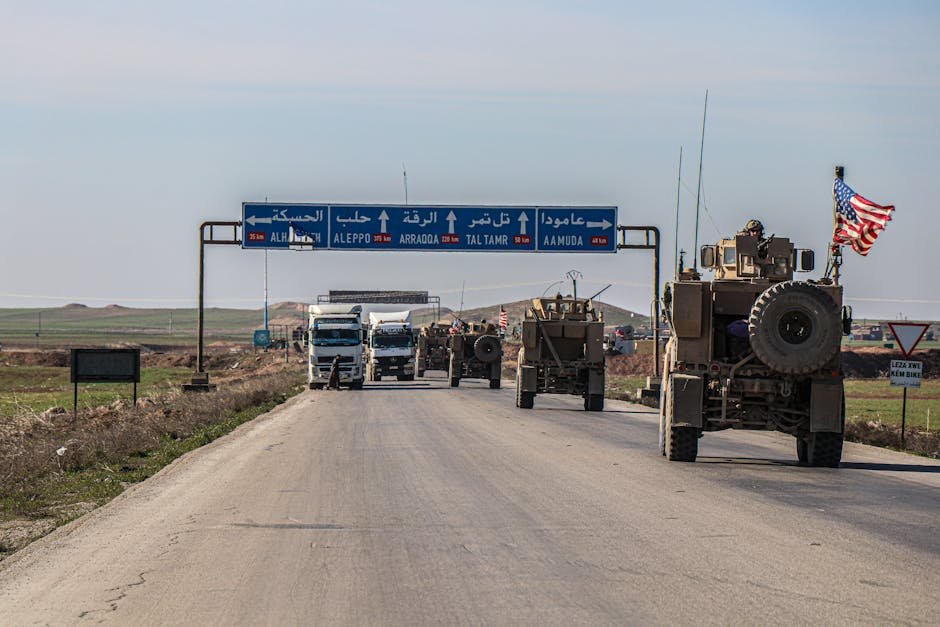
So, who stands to gain? In the short term, the military-industrial complex in the U.S. may see a surge in business, as every engagement tightens the grip of fear and uncertainty. However, in the long run, the tensions could lead to severe repercussions—not just for the U.S. and Iran, but for the broader Middle East, which has already seen too much bloodshed. The people of the region are left to bear the brunt of this strategic game, caught between the ambitions of powerful nations.
Let’s not forget the geopolitical knock-on effects either. With Israel watching closely and other regional players like Saudi Arabia and Turkey ready to capitalize on any opportunities, the potential for an expanded conflict is all too real. This isn’t just a bilateral clash; it’s a flashpoint that could ignite a much larger conflagration across the Middle East.
It’s also worth mentioning the voices of dissent within Iran, where many citizens are tired of the regime’s confrontational stance and its consequences. While the government clings to its narrative of resistance, the public might be yearning for peace—not more war. The irony that those in power often act against the interests of their own people cannot be overstated.
As Washington and Tehran engage in this dangerous game of diplomatic brinkmanship, the world holds its breath. Will talks lead to de-escalation, or are we simply witnessing the calm before the storm? One thing is clear: each clash adds another layer to an already complex tapestry of conflict in the Middle East.
The question remains—how much longer can this charade continue? While political leaders engage in their high-stakes negotiations, real lives are on the line. Perhaps it’s time to stop the rhetoric and start a genuine conversation that prioritizes human lives over power plays.
In a region so rich in resources yet so poor in peace, we must wonder: is the Middle East destined to remain a battleground for decades to come? The time for meaningful dialogue is now, but the ghosts of past mistakes loom large.
Source: Google — Middle East