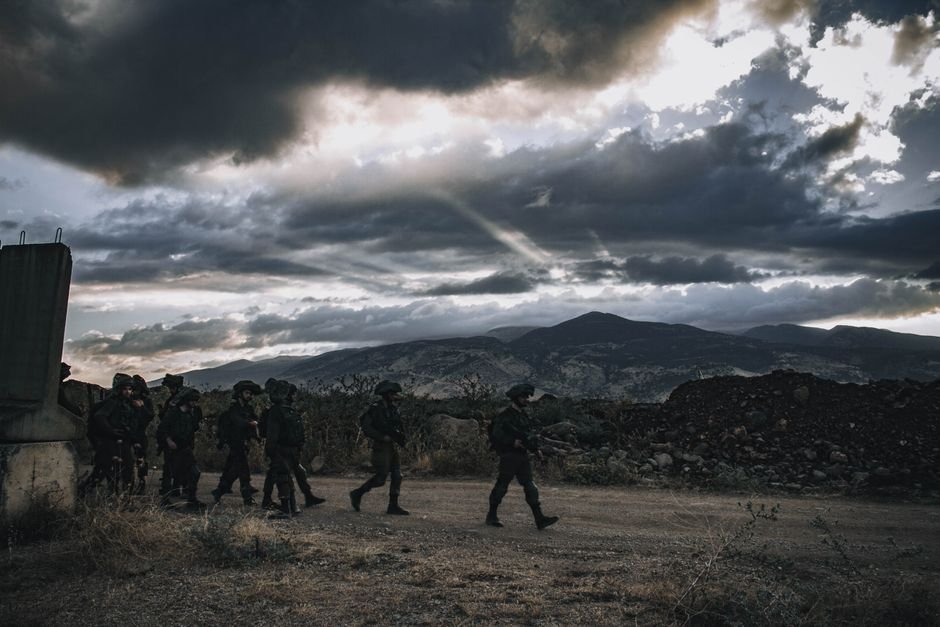
The Middle East is a powder keg, and the latest sparks are flying between Israel and Iran. As both nations ramp up their military posturing, one has to ask: is there any room left for peace in such a tempestuous region? According to the Guardian, Israel and Iran have reignited open conflict after a two-month ceasefire, with both sides exchanging rocket fire that threatens to derail fragile peace efforts.
The Middle East Conflict Reignited
The backdrop to this renewed hostilities involves a complex web of historical grievances and modern power struggles. After a ceasefire that seemed like a fleeting glimmer of hope, both Israel and Iran have re-engaged in warfare, driven by longstanding animosities and geopolitical ambitions. Donald Trump, who once wielded his influence to push for peace talks, now positions himself as a mediator despite being one of the architects of this prolonged conflict. His role only adds another layer of irony and confusion to an already volatile situation.
This situation matters because it highlights the ever-fragile balance in the Middle East. The conflict isn’t just a bilateral issue; it reverberates across borders and impacts global politics, energy markets, and even domestic terrorism. The players here are not just Israel and Iran but the entire region, including other Arab nations and external powers like the United States and Russia. The escalation begs the question: who exactly stands to gain from this renewed animosity?
The Players and the Stakes in the Middle East
The winners in this latest escalation could vary depending on how events unfold. Israel, under its current leadership, is keen on projecting strength and maintaining its military dominance in the region. Iran, on the other hand, is fighting to assert its influence and counter what it sees as a Western-backed threat. The stakes are incredibly high; for Iran, a miscalculation could lead to even more severe international sanctions, while Israel risks further isolation if it continues its aggressive military tactics.
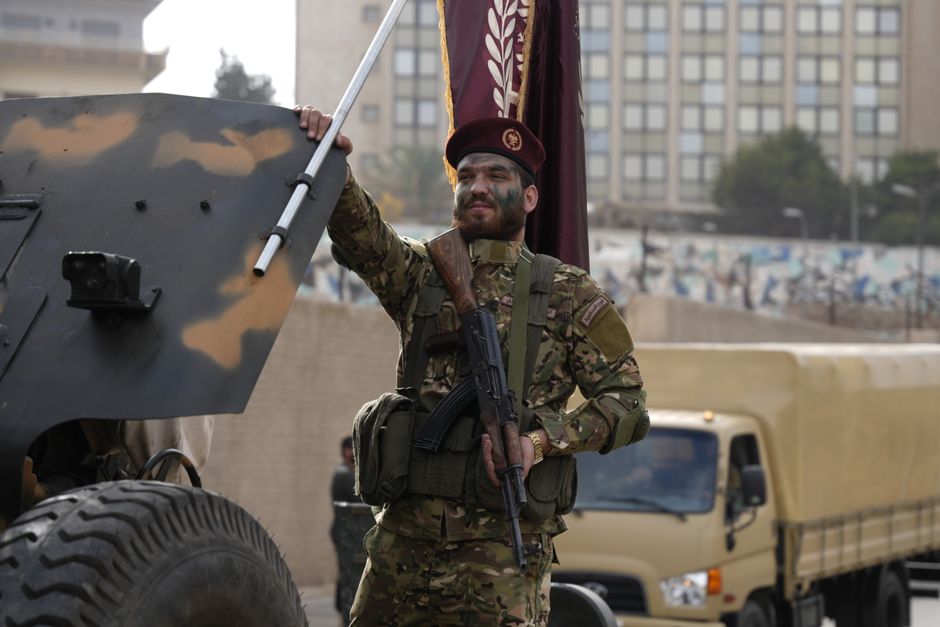
However, it’s essential to recognize that the mainstream narrative often overlooks the human cost of this ongoing conflict. Civilians bear the brunt of these military skirmishes, and every rocket fired is a tragedy for families caught in the crossfire. As both sides engage in this game of brinkmanship, the humanitarian implications are dire and often ignored by political leaders who are quick to rally their bases but slow to address the evolving humanitarian crisis.
The mainstream media also seems to gloss over the historical context that fuels this animosity. For decades, the Middle East has been a battleground for ideological supremacy, religious differences, and national sovereignty. This isn’t merely a conflict of arms; it’s a struggle for identity, control, and survival. If we fail to understand the motivations behind each side’s actions, we risk oversimplifying a complex issue that has deep roots.
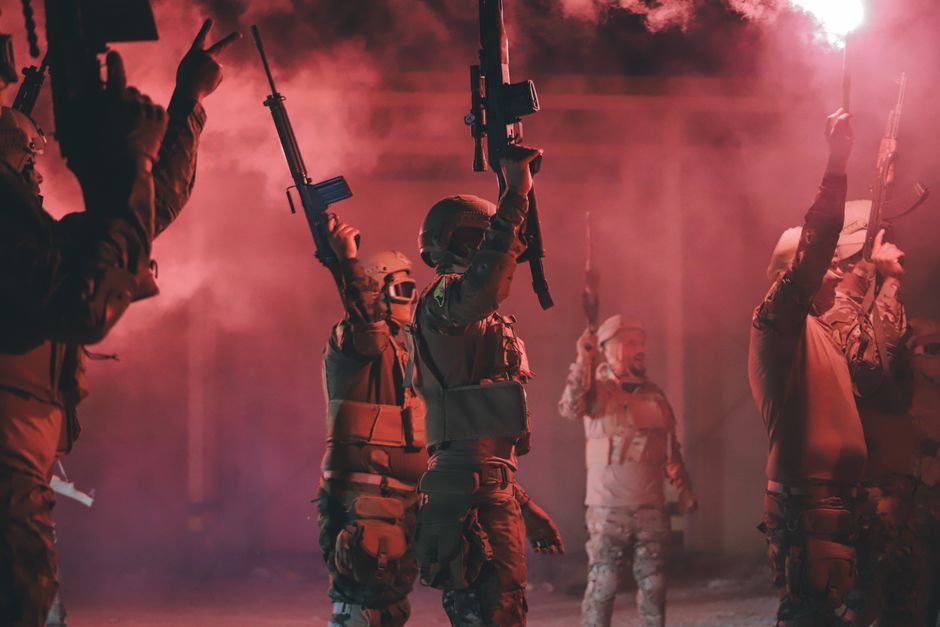
As the dust settles on this latest round of conflict, one can only wonder about the future of peace in the Middle East. Will Donald Trump’s half-hearted attempts at mediation bring any real change? Or are we simply witnessing the latest act in a long-running tragedy where history seems doomed to repeat itself? What is clear is that this ongoing conflict demands more than just political maneuvering; it requires a collective and honest effort toward understanding and reconciliation. The world is watching — and perhaps waiting — but the clock is ticking, and the Middle East needs more than just a ceasefire; it needs a comprehensive solution that reflects the realities of its people.
Source: Guardian Middle East