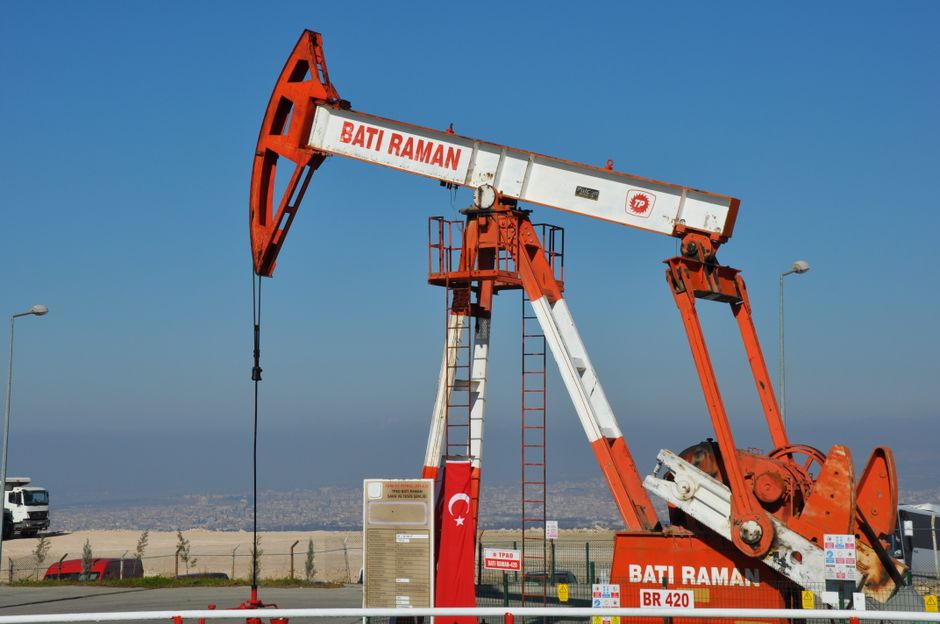
The world just got a stark reminder of the true cost of conflict. When **oil** prices surge past the $100 mark, it’s not merely a financial blip; it’s a direct consequence of blood and instability, a tax levied on every household and every industry. This isn’t just about supply and demand anymore; it’s about the relentless machinery of global politics and the raw power of petrodollars.
According to BBC Middle East, the price of Brent crude rose by more than 6% on Thursday, hitting $100 a barrel for the first time since May. This significant jump occurred as the war in the Middle East continues its relentless escalation, sending ripples of anxiety across international markets.
The Geopolitical Stakes of Soaring Oil
This isn’t just another market fluctuation; it’s a flashing red light for the global economy. The Middle East, a region perpetually teetering on the edge, once again dictates the world’s energy fortunes. The ongoing conflict, with its unpredictable turns and expanding fronts, has directly injected a massive risk premium into every barrel of crude. This isn’t an abstract concept for economists; it’s a tangible threat to energy security for nations far removed from the immediate battlefields.
For too long, major global powers have treated the Middle East as a theatre for proxy wars or a convenient tap for cheap energy. Now, the chickens are coming home to roost. The escalating conflict threatens critical shipping lanes, production facilities, and the very stability of key oil-producing nations. This isn’t just about perceived shortages; it’s about the genuine fear that a major supply disruption could be just one missile strike or one escalation away. Meanwhile, the world’s reliance on fossil fuels, despite the rhetoric of green transitions, remains stubbornly high. This dependency makes us all hostages to the volatile political landscape of this crucial region.
Who Profits From Expensive Crude?
Let’s be blunt: when **oil** hits $100, not everyone is losing. The major oil-producing nations, particularly those in the Gulf, are suddenly flush with cash. This newfound wealth isn’t always channeled into development or stability; often, it bankrolls regional influence, military expansion, or simply lines the pockets of ruling elites. On the other hand, for importing nations, especially those already struggling with inflation, this price hike is a gut punch. Consumers will feel it at the pump, in higher electricity bills, and in the increased cost of everything transported by road or sea.
The mainstream narrative often focuses on the immediate economic impact, but the deeper truth lies in the shifting geopolitical leverage. Countries like Saudi Arabia and the UAE, whose vast reserves underpin global energy, suddenly find their diplomatic bargaining power amplified. They become indispensable, their stability — or lack thereof — a matter of urgent international concern. This gives them a stronger hand in regional disputes and in their dealings with Western powers, who are desperate to maintain stability and keep the **oil** flowing. However, this also creates a dangerous feedback loop where conflict can become a perverse generator of influence and profit for some, even as it devastates others.
Furthermore, consider the complacency of major economies. Despite decades of warnings and the visible impacts of climate change, the transition to renewable energy sources remains painfully slow in many quarters. The current crisis underscores this vulnerability. Every dollar spent on expensive crude is a dollar not invested in genuine energy independence or sustainable alternatives. This isn’t merely an economic oversight; it’s a strategic blunder that leaves entire nations exposed to the whims of faraway conflicts and the machinations of petrostates. The real question is not *if* prices will climb higher, but *when* the world will finally learn that peace and stability are the cheapest forms of energy.
Source: BBC Middle East