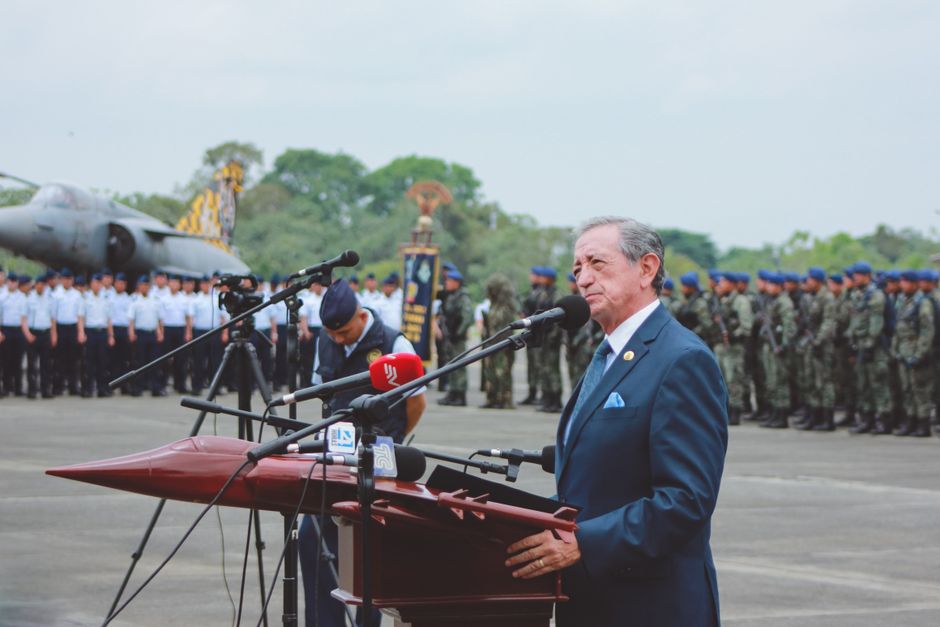
The rhetoric surrounding Cuba has always been charged, but “genocide” is a word that escalates the game dramatically. When the **Cuban** president levels such an accusation against the United States, we need to ask ourselves: is this a desperate cry for help, a shrewd political maneuver, or a stark glimpse into a simmering conflict the world has largely ignored?
According to Al Jazeera, the Cuban president has accused the US of genocide and seeking a takeover of the island nation. This fiery denunciation comes as Cuba endures one of its most severe economic crises, exacerbated by a US oil embargo that has been in place since January.
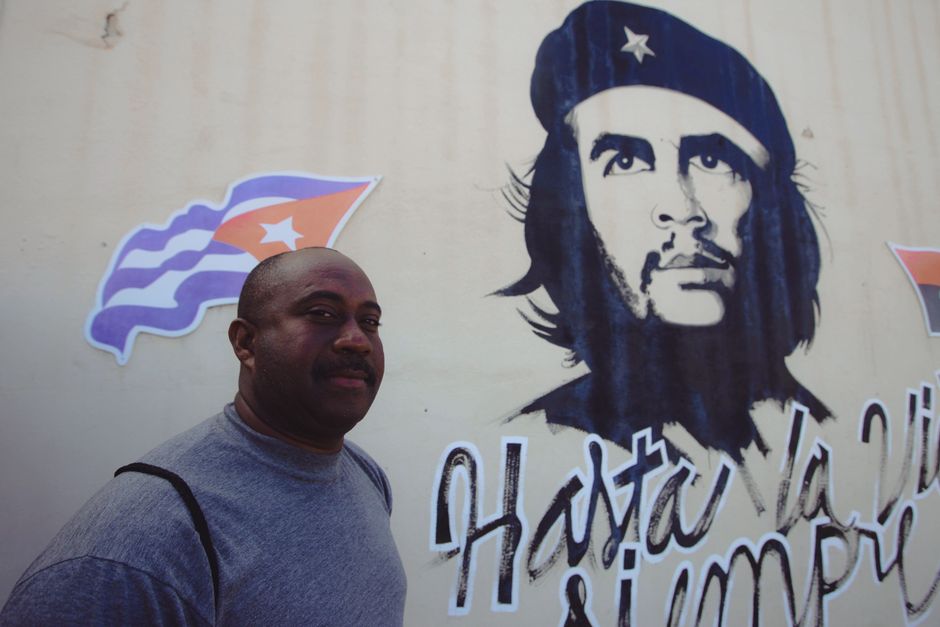
The Enduring Shadow of the Cuban Embargo
This isn’t merely a political spat; it’s the latest flashpoint in a decades-long struggle. The US embargo against Cuba dates back to the early 1960s, a relic of the Cold War designed to stifle the communist regime. While often softened or tightened by successive US administrations, its core intent has remained the same: to exert economic pressure for political change.
The current situation, however, is particularly dire for the island. The January oil embargo has choked a lifeline for the **Cuban** economy, already reeling from global downturns and a crippled tourism sector. Shortages of fuel, food, and medicine are widespread, painting a grim picture for ordinary citizens. Havana’s accusation of “genocide” therefore aims to reframe the embargo not as a policy tool, but as a deliberate act of destruction against its people. It’s a powerful, emotive charge designed to garner international sympathy and condemnation for Washington.
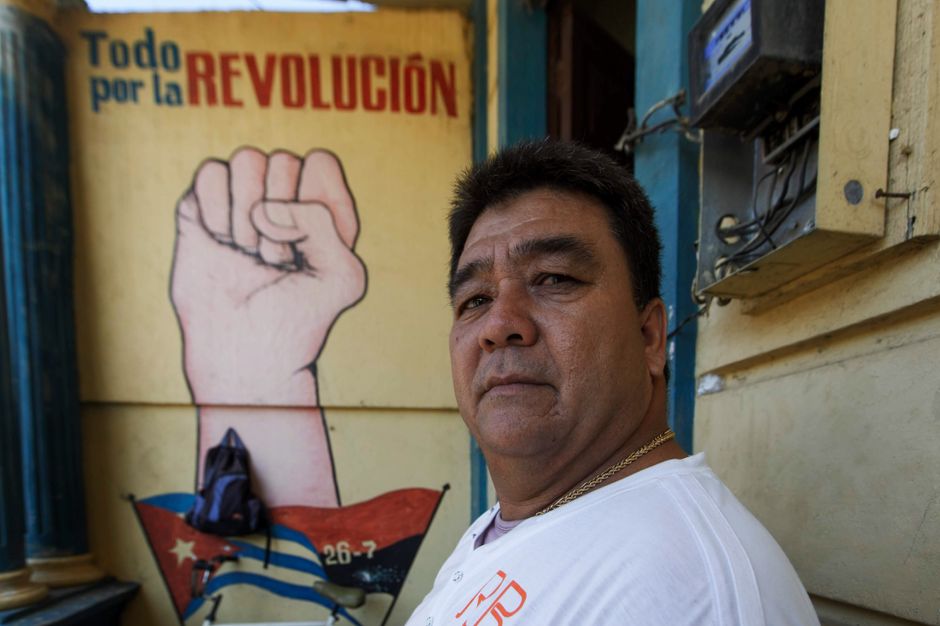
On the other hand, critics of the Cuban government often argue that the regime’s own economic mismanagement and repressive policies are the primary causes of the island’s woes. They contend that the embargo merely limits the resources available to a corrupt and inefficient system, rather than directly causing the suffering of the populace. This perspective suggests the accusation is an attempt to deflect blame from internal failures onto an external adversary.
A High-Stakes Bet for the Week Ahead
The timing of this accusation is no accident. It’s a calculated escalation, a high-stakes gamble with significant implications for the week ahead in international diplomacy. By using the word “genocide,” the Cuban president is deliberately pushing the boundaries of international discourse, hoping to force the issue onto the global stage in a way that mere “sanctions” or “embargo” complaints often fail to do.
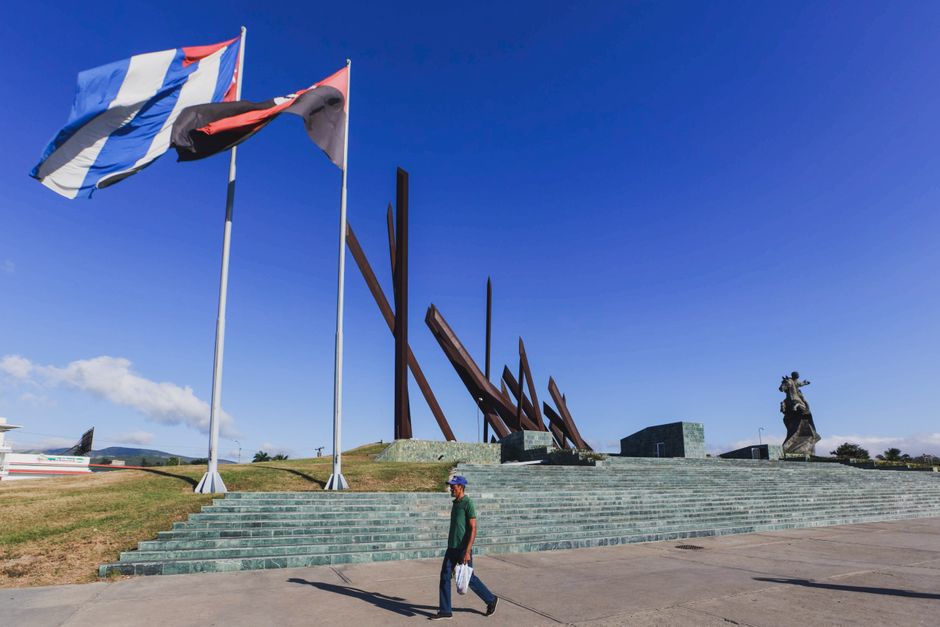
For the US, this presents an immediate diplomatic headache. Washington will undoubtedly dismiss the claim as baseless propaganda, yet the charge itself creates a narrative that could resonate in certain international forums, particularly among developing nations or those critical of US foreign policy. This could embolden allies of Cuba, such as Russia or China, to offer more vocal support or even increased aid, viewing the “genocide” claim as a convenient lever against US influence.
Expect intense lobbying at the UN and other international bodies as Havana seeks to weaponize the accusation. The US, meanwhile, will be scrambling to counter the narrative, likely reiterating its commitment to human rights while simultaneously defending its long-standing policy toward the **Cuban** government. The humanitarian aspect of the crisis, however, will be impossible to ignore. Food and medicine shortages are real, regardless of their root cause. This could put pressure on the Biden administration to either ease some restrictions or face increased international scrutiny over the humanitarian consequences of its policies.
This isn’t just about Cuba; it’s a test case for how far a smaller nation can push back against a superpower using moral and legal claims. The world watches to see if such a grave accusation can shift the balance of power, or if it merely becomes another forgotten headline in the endless cycle of international grievances. The real question for the coming days is whether this accusation will ignite a genuine international debate on the ethics of long-term embargos, or merely serve as another rhetorical volley in an unwinnable war of words.
Source: Al Jazeera