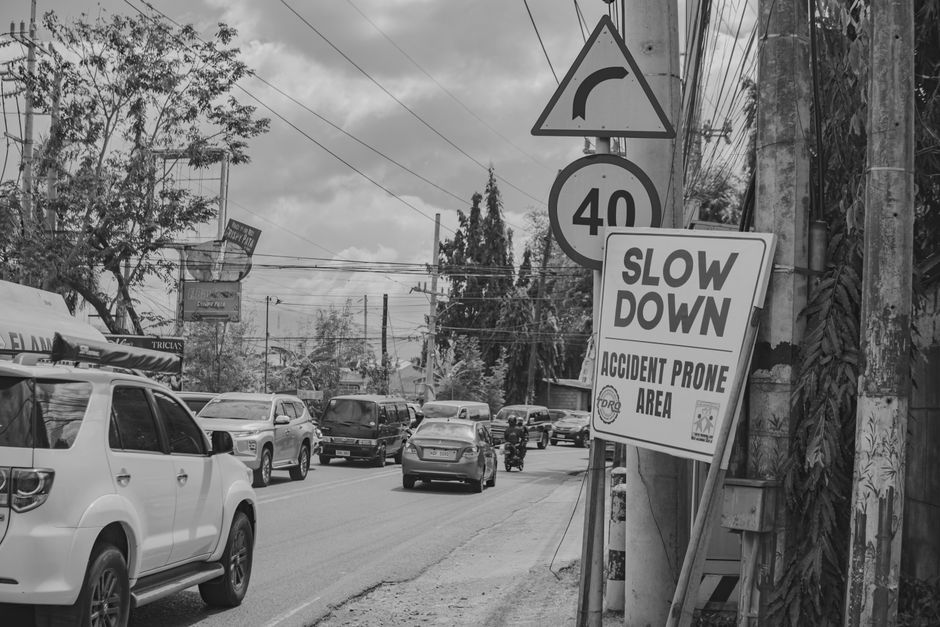
Another life lost on the asphalt altar of urban speed. How many more tragedies will it take before we confront the brutal reality of our streets, particularly iconic stretches like Lake Shore Drive, which too often become racetracks rather than thoroughfares? This isn’t just a local headline; it’s a grim echo of a systemic failure playing out in cities across the nation, demanding our attention as we look to the week ahead.
According to ABC7 Chicago, via Google News, a motorcycle crash in the 2200-block of North Lake Shore Drive in Lincoln Park, Chicago, resulted in one fatality. This tragic incident unfolded on Sunday, casting a shadow over what should be a vibrant urban artery.
Lake Shore’s Lethal Lure
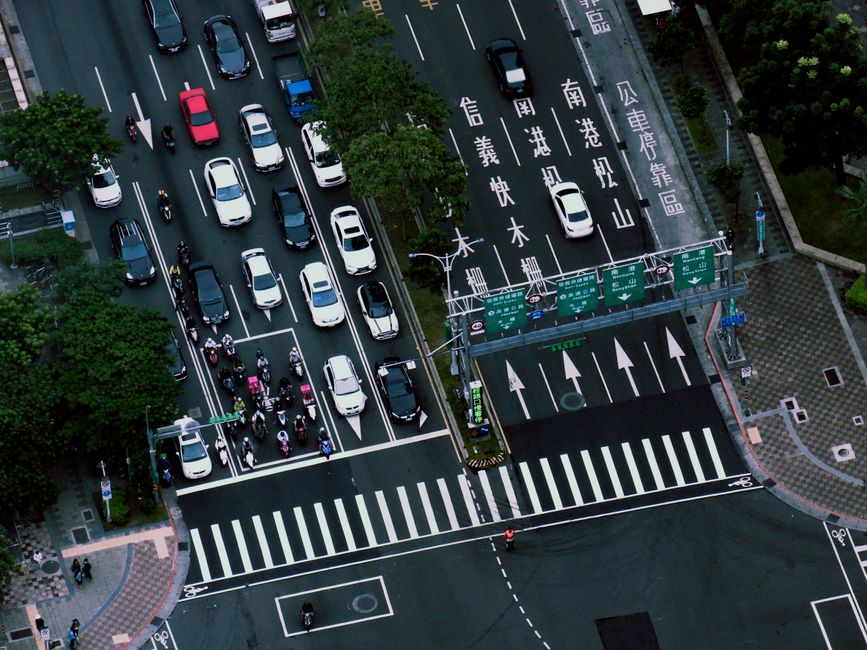
This isn’t an isolated incident, nor is it merely a statistic. Major urban highways, especially those designed for scenic drives, paradoxically invite risky behavior. Lake Shore Drive, with its breathtaking views of the Chicago skyline and Lake Michigan, has long struggled with speeders and reckless drivers. The wide lanes and relatively open stretches can create a false sense of security, encouraging drivers to push limits that far exceed posted speeds. This perpetual dance with danger raises critical questions about urban planning and enforcement priorities. Are these roads designed to move traffic efficiently, or are they inadvertently setting the stage for disaster? As city leaders prepare for another week of policy debates, this ongoing saga of street safety should be at the forefront.
Moreover, the sheer volume of traffic, combined with a diverse mix of vehicles – cars, trucks, motorcycles – complicates the safety equation. The beautiful design that makes Lake Shore a landmark also makes it a gauntlet. Intersections, merges, and changing speed limits can catch even vigilant drivers off guard, let alone those who treat public roads as private playgrounds. The underlying tension between accessibility and safety remains a constant challenge for municipal authorities, a challenge that rarely gets the urgent attention it deserves until another siren pierces the morning quiet.
The Unspoken Costs of Complacency
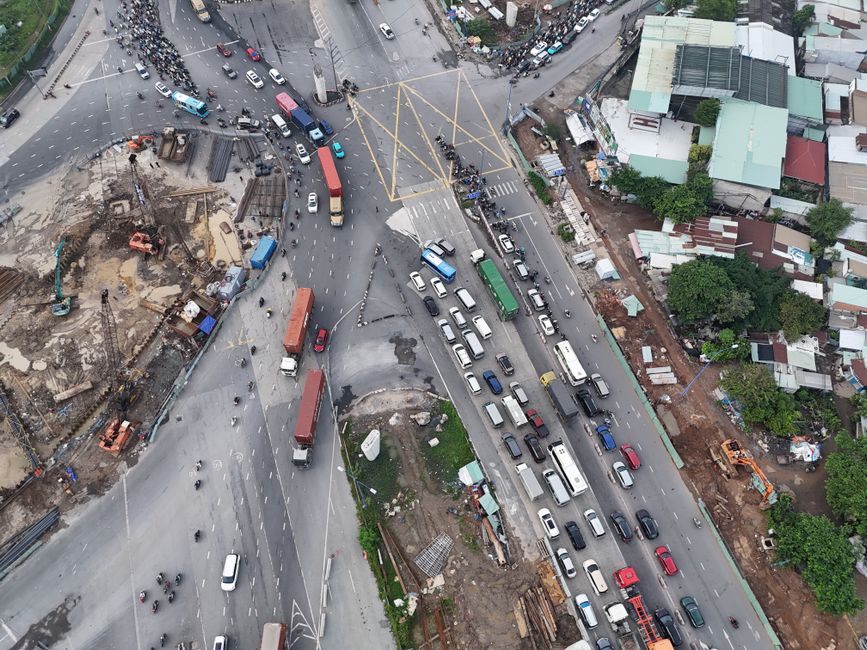
Here’s the inconvenient truth: we, as a society, have become far too complacent with traffic fatalities. A death on Lake Shore Drive, while tragic, often fades from public memory faster than the skid marks are cleaned from the pavement. The mainstream narrative typically stops at “accident” or “tragic incident,” sidestepping the deeper structural issues and policy choices that contribute to these outcomes. Who loses? A family loses a loved one, a community loses a member, and the city loses a sliver of its collective peace. Who wins? Nobody, in the immediate sense, but the systems that perpetuate this status quo certainly aren’t challenged.
The responsibility is multi-faceted, extending beyond the individual rider or driver. Yes, personal choices regarding speed and attention are paramount. However, cities like Chicago also bear a heavy burden. Are enforcement efforts consistent and visible enough? Is the infrastructure itself — signage, lane markings, median barriers — optimally designed for safety, or does it prioritize flow over human life? We often hear about “Vision Zero” initiatives in other cities, yet progress feels glacially slow when measured against the human cost on thoroughfares like Lake Shore. The conversation needs to shift from reactive blame to proactive prevention, examining traffic calming measures, smart technology, and truly impactful public awareness campaigns. This isn’t just about catching speeders; it’s about fundamentally altering the driving culture itself.
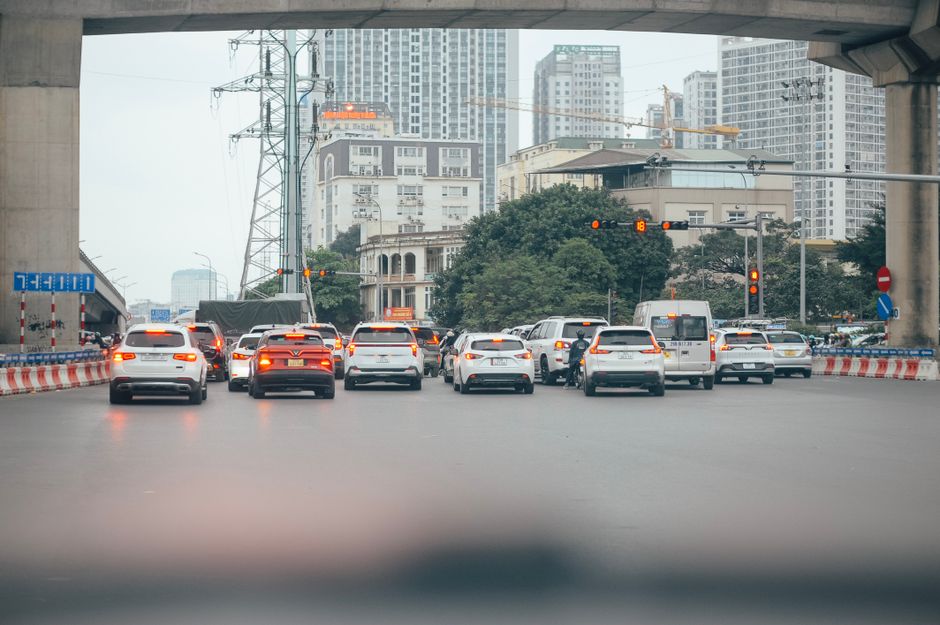
Furthermore, the economic impact, though secondary to the human tragedy, is not insignificant. Emergency services, investigations, and traffic disruptions all draw resources away from other critical city functions. This ongoing drain, coupled with the emotional toll on first responders, highlights a cycle of reaction rather than prevention. For the week ahead, local politicians should be pressed on what concrete steps they plan to take to make our main arteries safer, beyond hollow promises and temporary crackdowns.
When another life is extinguished on Lake Shore Drive, it’s a stark reminder that our urban arteries demand more than just maintenance; they demand a reckoning. Until cities prioritize human life over traffic flow and convenience, these tragic headlines will continue to punctuate our news cycles, leaving us to wonder how many more lives must be sacrificed on the altar of urban speed.
Source: Google — Middle East incidents