
Did you ever send a message into the digital void, only to be met with an echoing silence that makes you question your own reality? The modern world, it seems, has become a master class in the art of the vanishing act. Now, a new digital tool, didtheyghostyou.com, has surfaced, explicitly designed to address this very modern affliction.
According to its prominent placement on Hacker News, this website garnered over 400 points and nearly 180 comments, signaling a potent nerve struck within the tech community. Its very existence points to a growing need, or perhaps a growing anxiety, about the ambiguous endings of digital interactions.

The Digital Silence: Why *Did* We Get Here?
Ghosting, the act of abruptly ending communication without explanation, has transcended dating apps to permeate professional networking, casual friendships, and even job applications. It’s a phenomenon born of convenience, amplified by the low-stakes anonymity of digital platforms. The emotional toll, however, is anything but low-stakes. It leaves the ghosted party reeling, grappling with confusion, self-doubt, and a profound lack of closure.
This widespread cultural shift explains why a tool like didtheyghostyou.com suddenly becomes relevant. In an increasingly interconnected yet emotionally detached world, people are desperate for answers, for clarity, for anything that cuts through the frustrating ambiguity. The “technology-ai” desk here at Waqya.com understands this impulse. As we look to the week ahead, the emergence of such tools highlights a critical trend: our relentless pursuit of technological solutions for deeply human, often uncomfortable, problems. It’s a reflection of how AI and specialized web services are increasingly reaching into the most intimate corners of our lives, promising to decode or alleviate emotional distress.
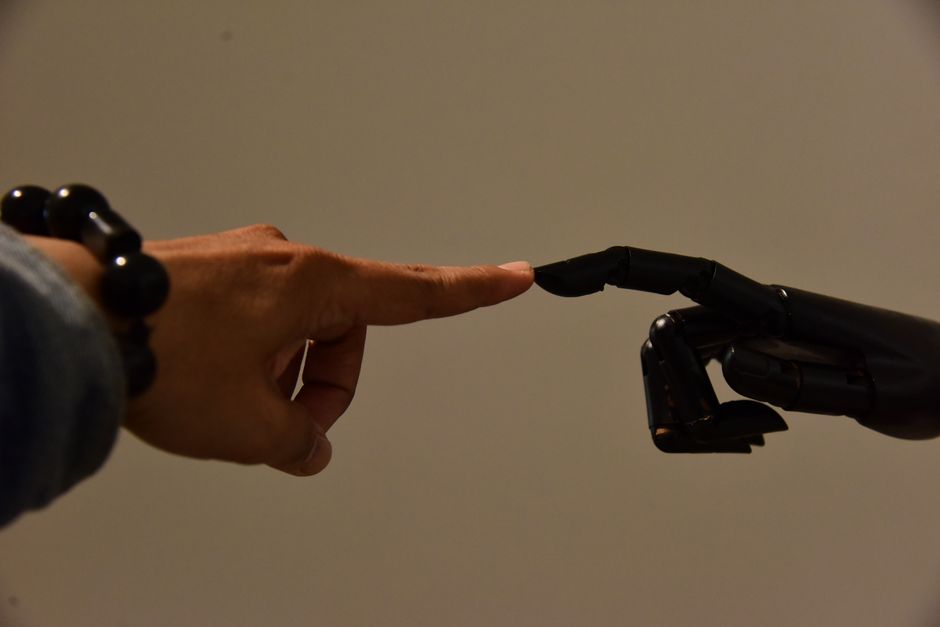
The AI Mirror: A Hot Take on Emotional Outsourcing
Let’s be blunt: a service promising to tell you if you’ve been ghosted isn’t just a quirky internet novelty. It’s a symptom, and potentially an accelerant, of a dangerous trend. On one hand, for those caught in the agonizing limbo of unanswered messages, a definitive “yes, you’ve been ghosted” might offer a sliver of peace, permission to move on. It validates their experience and perhaps shields them from further emotional investment in a non-existent connection. In this context, the tool could be seen as a digital empath, providing clarity where human interaction fails.
However, the deeper implications are far more troubling. Are we really so adverse to uncomfortable conversations that we’d rather outsource the detection of emotional disengagement to an algorithm? What happens to our capacity for empathy, for direct communication, for handling rejection gracefully, when we rely on a website to deliver the harsh truth? This isn’t just about identifying ghosting; it’s about our willingness to let technology mediate our most sensitive interpersonal dynamics. The mainstream narrative often celebrates tech that “solves” problems, but sometimes, the “solution” merely masks a deeper societal failing or prevents us from developing crucial emotional resilience. This service, while seemingly benign, risks fostering an environment where emotional intelligence is traded for algorithmic validation. It could erode the very skills necessary for genuine human connection, pushing us further into a digital echo chamber where machines interpret our relationships for us. We must ask ourselves: *did* we really want AI to step into this role?

The promise of AI is often framed as augmenting human capabilities. Yet, in cases like this, it seems to replace them. The week ahead will undoubtedly bring more discussions about AI’s role in our lives, from enterprise solutions to personal assistants. But the real challenge lies in distinguishing between tools that truly empower us and those that subtly disempower us by removing the need for difficult but vital human interactions.
So, as we head into another week of technological advancement, consider the cost. Is the convenience of a definitive “you’ve been ghosted” worth the erosion of our capacity for direct, honest, and sometimes painful human communication? Or *did* we just find another way to avoid the hard work of being truly present with one another? The digital silence may be easier to bear with an app, but the silence within our own emotional growth could be far more deafening.
Source: Hacker News Best