The sky, often revered, sometimes turns executioner. A single, blinding flash of **lightning** recently claimed three lives in Chhattisgarh, a grim reminder of nature’s brutal indifference and humanity’s persistent vulnerability. This isn’t a headline that shakes the world, but it should.
According to ThePrint, three villagers tragically died after being struck by lightning in Chhattisgarh’s Korba district. This devastating incident occurred in a region all too familiar with the precarious balance between life and the elements.
The Overlooked Tragedy of Lightning Strikes
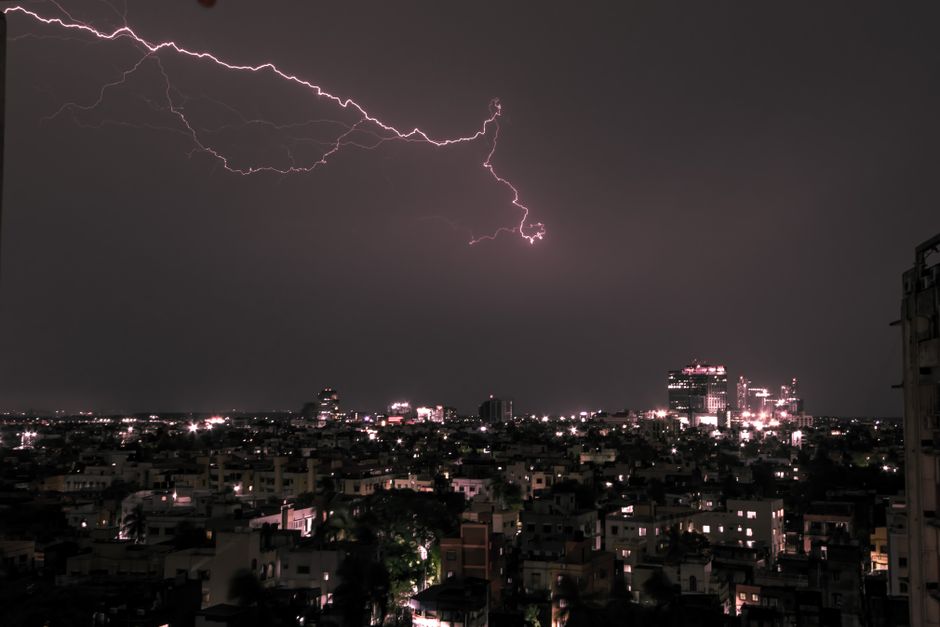
Chhattisgarh, like much of central India, experiences severe monsoon seasons, making **lightning** strikes a recurring, yet often underreported, threat. These aren’t random, isolated events; they are part of a larger pattern that disproportionately affects rural, agricultural communities. Villagers working in fields, without access to robust shelter or early warning systems, become easy targets for nature’s fury.
The tragic loss of life in Korba underscores a deeper, systemic issue that plagues India’s heartland. While major infrastructure projects or political dramas grab national headlines, the silent toll of environmental hazards in remote villages often fades into background noise. These communities, already contending with economic hardship and limited resources, face an additional, relentless adversary in the form of increasingly unpredictable weather patterns.
Climate change, while often framed in terms of rising sea levels or extreme heatwaves, also manifests in more intense and frequent thunderstorms. Therefore, what once might have been considered an unavoidable “act of God” now demands a more proactive, policy-driven response. The absence of widespread awareness campaigns, accessible shelters, or localized early warning systems leaves millions exposed.
A Quiet Catastrophe Demanding Attention
Here’s the uncomfortable truth: deaths from **lightning** strikes rarely ignite the same public outrage or sustained media scrutiny as other forms of disaster. Three villagers dying in Korba doesn’t fit the dramatic narrative of a terrorist attack or a collapsed building, yet the loss is just as profound for the families left behind. This quiet catastrophe exposes a glaring blind spot in how we prioritize public safety and allocate resources.
The mainstream narrative often focuses on grand-scale disasters, while the cumulative impact of smaller, localized tragedies like this one gets overlooked. Who loses? The most vulnerable among us: the farmers, the daily wage laborers, the indigenous communities who depend directly on the land and have the least protection against its sudden upheavals. The government, while often quick to announce ex-gratia payments *after* a tragedy, seems less invested in preventative measures that could save lives *before* they are lost.
Consider the disparity: massive funds are poured into urban infrastructure, while basic safety provisions for rural populations remain woefully inadequate. There’s a prevailing acceptance that such deaths are just “part of life” in these regions, a fatalism that allows policymakers to sidestep accountability. We need more than post-facto compensation; we need robust, localized meteorological warnings, accessible community shelters, and public education campaigns that teach villagers how to protect themselves during a thunderstorm.
This isn’t just about weather; it’s about justice. It’s about recognizing that every life holds equal value, regardless of geography or economic status. Until we genuinely invest in protecting those most exposed to these frequent, fatal events, we are, in essence, accepting their sacrifice as an unfortunate, yet inevitable, cost of living in rural India.
How many more quiet deaths will it take before we acknowledge that the sky isn’t just delivering rain, but a recurring, preventable threat to our forgotten citizens?
Source: Google — India incidents