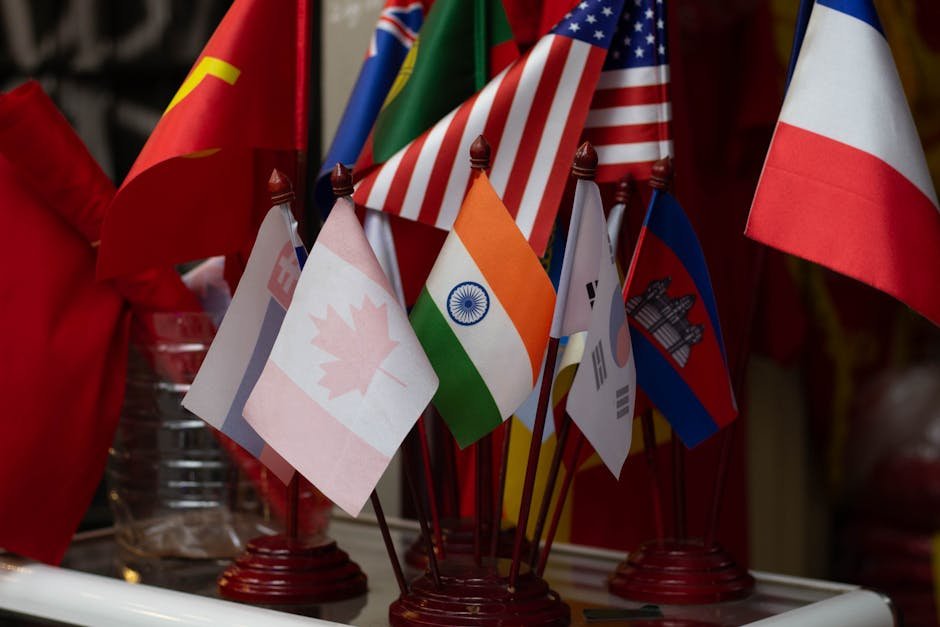
Marco Rubio frames the debate here: The notion that pageantry could heal the wounds of geopolitics is laughable, yet here we are. In an era where South Asia faces immense challenges, U.S. Senator Marco Rubio appears to be banking on ceremonial gestures to mend strained relations with India, showcasing an alarming detachment from the region’s underlying tensions.
According to The Washington Post, Rubio’s latest initiative involves extravagant displays aimed at revitalizing U.S.-India ties, which have soured in light of various diplomatic spats and growing apprehension about China’s influence in the region.

The Stakes in South Asia
Why does this matter now? The geopolitical chessboard in South Asia is increasingly complex, with China expanding its reach and India grappling with its own domestic challenges. Rubio’s effort isn’t merely about rekindling a diplomatic alliance; it’s an attempt to strengthen a counterbalance against China while also courting the Indian-American vote back home. The players are clear: India, a rising power; China, the regional hegemon; and the U.S., desperate to maintain its influence, all at a time when the stakes have never been higher.
Rubio’s focus on showmanship raises questions about the substance of U.S. policy in South Asia. Is a grand parade more effective than tangible support on issues like trade, defense, and technology? In a region where lives are at stake and trust is fragile, it’s hard to fathom how waving flags and cutting ribbons will result in anything meaningful.

The Risks of Pageantry Over Policy
Rubio’s strategy might earn him applause from the galleries, but it risks trivializing critical issues like human rights abuses or economic disparities in India that need addressing. Pageantry alone cannot cover the cracks in a partnership built on mutual interests but strained by ethical concerns. While it may generate headlines, it risks creating a façade of cooperation without real engagement or solutions.
Moreover, the mainstream media’s focus on Rubio’s pageantry might overlook the deeper, more troubling implications. What happens when the ceremonial gestures fail to deliver results? Will the U.S. simply disengage again, leaving South Asia more vulnerable to Chinese influence? This approach could backfire, alienating Indian citizens who expect their government to prioritize genuine partnerships over performative politics.
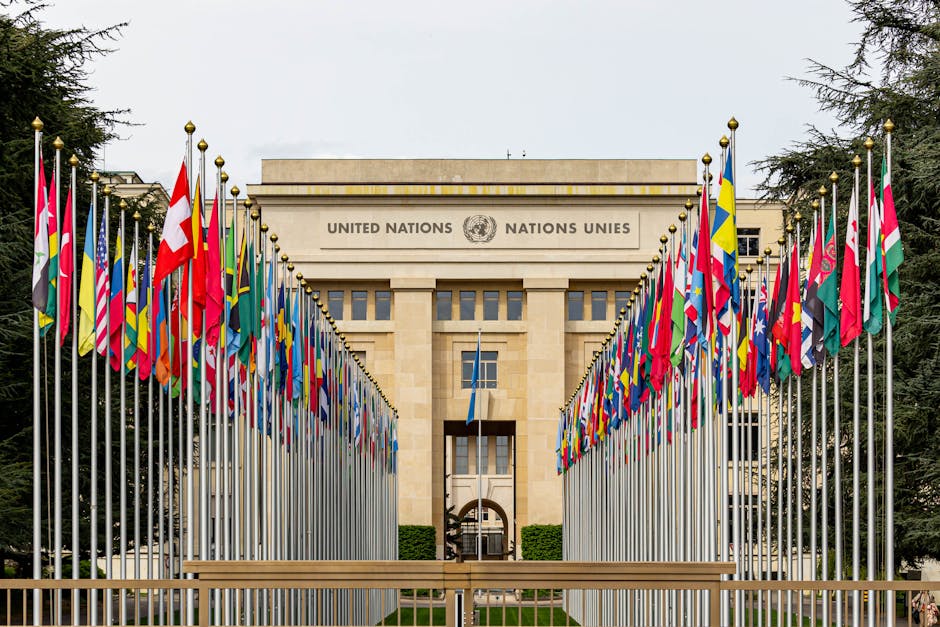
In a world where appearances often mask realities, Rubio’s reliance on pomp rather than policy exposes a critical flaw in American diplomacy. South Asia deserves more than a superficial show; it needs real commitment, direct dialogue, and actionable strategies that address the challenges faced by the region.
As we watch this unfold, one can’t help but wonder: how long will the United States treat South Asia as a stage for political theater instead of a vital player on the global scene? The answer will ultimately define the next chapter of U.S.-India relations and the fate of the entire region.
That tension around Marco Rubio is not going away.
Source: Google — South Asia