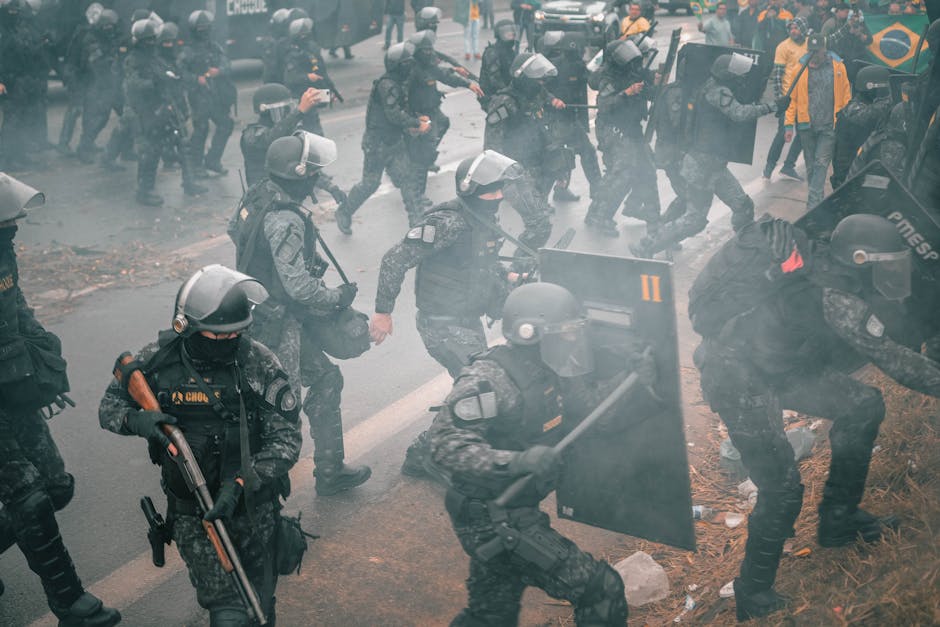
The specter of nuclear conflict looms over South Asia like a dark cloud, and it’s about time we stopped pretending it’s benign. The latest developments in the long-standing India-Pakistan conflict reveal a dangerous erosion of nuclear restraint, unsettling not just the region but the global balance of power. As both nations inch closer to military confrontation, the stakes have never been higher.
According to World Politics Review, recent tensions have escalated between India and Pakistan, with both countries making increasingly aggressive military postures and rhetorical threats. This escalation is compounded by a lack of effective diplomatic engagement to manage their differences, raising concerns about the potential for a catastrophic miscalculation.
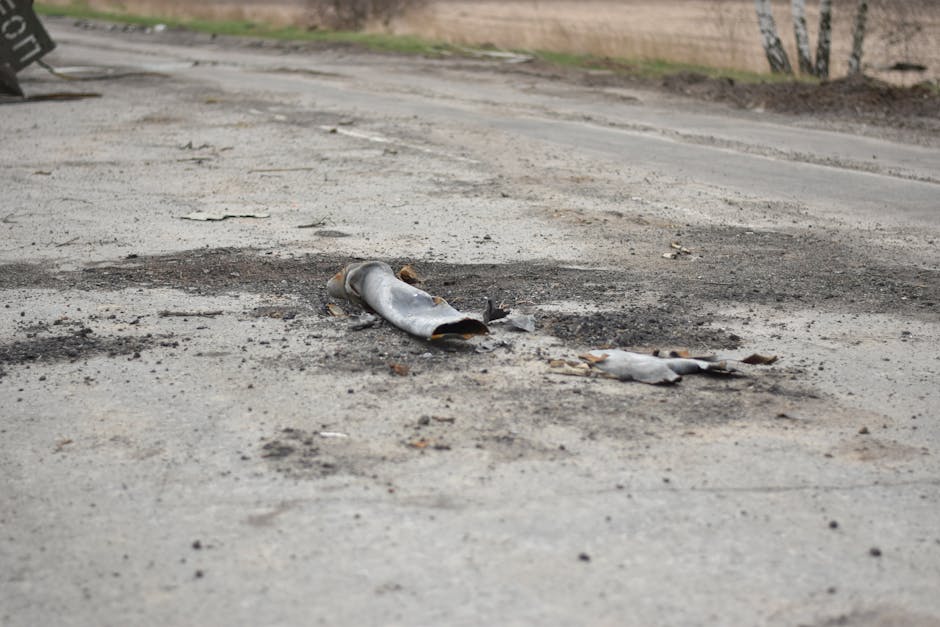
The Erosion of Restraint in South Asia
The India-Pakistan conflict has always been fraught with tension, rooted in territorial disputes, religious differences, and national identities. But the current climate of hostility is alarming. The two nuclear-armed neighbors have historically maintained a tenuous balance, largely due to an understanding that the consequences of nuclear war would be unbearable. However, this balance is beginning to crumble. The recent military build-ups on both sides suggest that neither side feels the need to restrain its ambitions or actions.
The regional dynamics are further complicated by the rise of nationalist rhetoric in both countries. Leaders in India and Pakistan are leveraging this conflict for domestic political gain, often at the expense of rational discourse. The international community seems to have forgotten that nuclear weapons are not mere bargaining chips in a geopolitical game—they are harbingers of devastation. As tensions boil over, South Asia finds itself at a precarious crossroads where hot-headed decisions could result in irrevocable consequences.
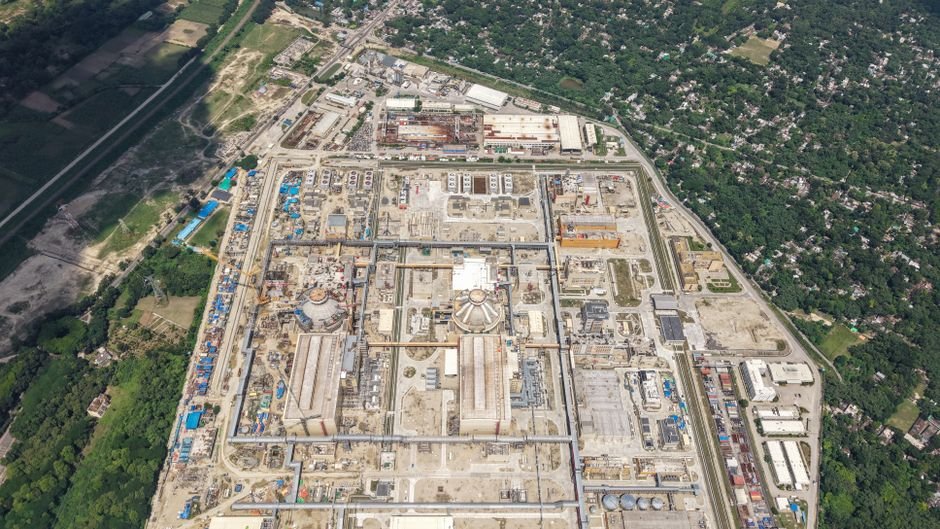
The Consequences of Escalation in South Asia
In this high-stakes game of brinkmanship, there are clear winners and losers. The militaries of both nations may be gearing up for a show of strength, but the real victors will be those who manage to exert a calming influence. If no one steps in to rein in this madness, we could witness a catastrophic misfire—a nuclear incident that the world would struggle to comprehend.
What’s more, this escalatory trend is being largely overlooked by mainstream media, which often focuses on individual incidents rather than the broader implications of a lurching conflict. The erosion of nuclear restraint in South Asia is not just a regional issue; it’s a global concern that demands immediate attention.

The consequences of failing to address these tensions could be dire. The potential for refugee crises, economic turmoil, and humanitarian disasters looms large. Both nations are heavily armed, and with rising tensions, the risk of an accidental launch or misunderstanding becomes more pronounced. Meanwhile, countries outside the region must wake up to the reality that their interests are also at stake.
As we watch from the sidelines, one question remains: will rationality prevail over nationalism? Or will South Asia become the flashpoint that ignites a global crisis, with the world left to grapple with the aftermath? The clock is ticking, and the time for action is now.
Source: Google — South Asia