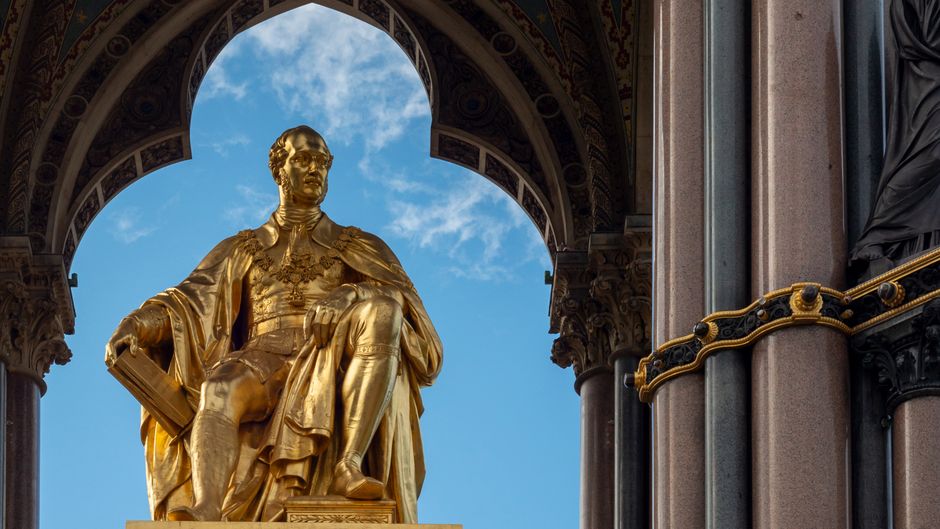
This week, a presumptive monarch offered a glimpse into his vision, effectively publishing a ‘manifesto’ for the king he will become, all under the intense scrutiny surrounding **Prince William**.
The heir to the British throne, Prince William, has been the subject of an analysis by ABC News, delving into how his chosen work and public engagements are, in effect, laying out his blueprint for a future reign. This isn’t a sit-down interview in the traditional sense, but rather a commentary on the prince’s strategic public presence. In an era where the monarchy faces persistent questions about its relevance and cost, William’s every move is viewed through the lens of institutional preservation and adaptation.
The political context is undeniable: a new monarch in King Charles, a slimming down of the working royals, and a global conversation about inherited privilege versus meritocracy. Against this backdrop, William’s “work” isn’t just about his pet projects; it’s a carefully crafted narrative designed to demonstrate the Crown’s continued utility in a rapidly changing world.
What landed
ABC News frames Prince William’s public endeavors as a “manifesto,” a compelling assertion that his chosen causes are more than just charitable patronage; they are a direct signal of the kind of monarch he intends to be. This framing itself is quite the PR coup, transforming routine royal duties into something far more intentional and visionary.
The prince has notably focused on areas like mental health, environmental conservation, and tackling homelessness. These are undeniably pressing contemporary issues, and his engagement lends them a certain gravitas and visibility. It suggests a monarch who, at least on the surface, is attuned to the struggles faced by everyday citizens, moving beyond the ceremonial ribbon-cutting of yesteryear. The analysis implies a strategic pivot from purely symbolic patronage to more active, advocacy-driven work.
It is, in some ways, an encouraging sign that the future head of state is engaging with issues that genuinely matter. There’s a clear attempt to make the monarchy feel less remote and more connected to the pulse of the nation. One could even credit William with a genuine desire to leverage his immense platform for good, pushing for conversations and solutions that might otherwise struggle for attention.
What doesn’t add up
While the “manifesto” narrative is neat, it glosses over some rather inconvenient truths. The very premise — that William is “reshaping” the monarchy — comes with an inherent paradox. One can hardly call it a revolutionary manifesto when the author is born into a position of “singular privilege,” as the ABC News summary itself acknowledges, with no requirement to campaign or earn his future role. This isn’t a platform earned through popular mandate; it’s a role inherited by birthright, which fundamentally limits the scope of any genuine “reshaping.”
The idea that his “work” will fundamentally alter an institution built on centuries of tradition and inherited wealth feels, at best, a touch optimistic. Is “reshaping” merely a rebranding exercise, aimed at making an anachronistic institution appear modern and responsive? It’s one thing to champion causes, and quite another to dismantle or even significantly alter the very structures that perpetuate the privilege he benefits from.
One must question whether drawing attention to issues like homelessness, however noble, actually translates into systemic change when the individual drawing attention to it represents a vast, untaxed estate. The contrast between the grandeur of palaces and the realities of street sleeping is stark, and a royal “manifesto” can only bridge that gap so far. The “manifesto” appears to be more a statement of intent for *how* he will reign within the existing framework, rather than a radical proposal to redraw the framework itself. It’s an exercise in demonstrating utility, not in questioning the fundamentals.
Monday morning, the world will still wake up to a monarchy that operates on inherited status. Prince William’s “manifesto” might offer a slightly more palatable, more engaged face for that institution, but it remains to be seen if his intentions translate into anything beyond well-meaning advocacy. The true test of this blueprint won’t be in the causes he champions, but in whether he can genuinely make the Crown relevant for a new century, or merely maintain its existence with a fresh coat of progressive paint.
Source: OnTheRecord