
The scales of justice often wobble, but rarely do they spin so wildly as when a student of **Law** is accused of a crime this serious. This isn’t just another headline; it’s a stark, uncomfortable mirror reflecting the complex challenges facing the UK’s justice system and indeed, its society. We often assume those who study the law are its staunchest defenders, yet here we are.
According to a BBC report, Isobella Perrie Sullivan, a law student, has been formally charged after a bomb was intercepted in a car she was driving. Her lawyer, however, vehemently maintains that she had no knowledge whatsoever that the bag in the car contained the explosive device.
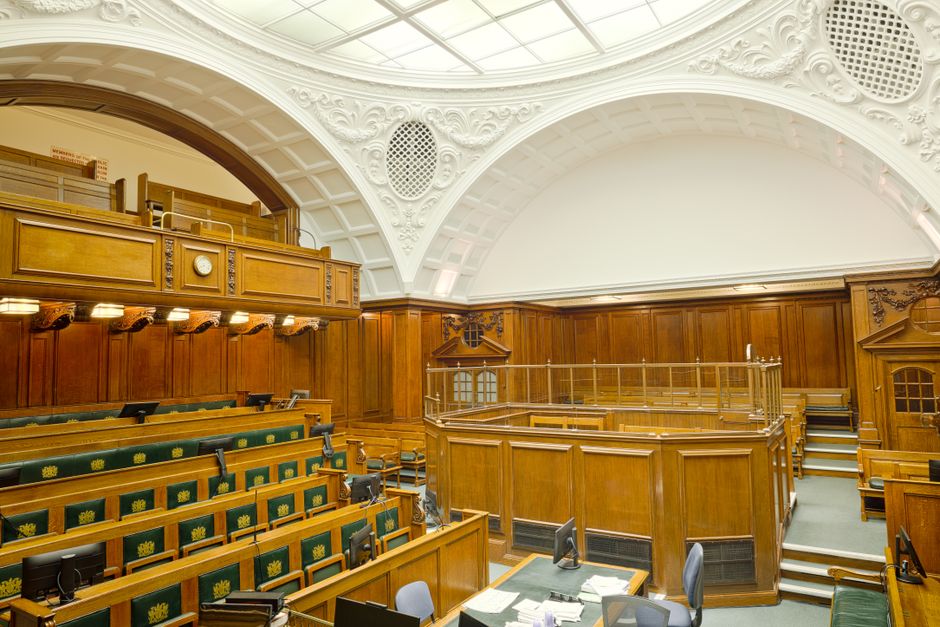
The Unsettling Intersections of Law and Intent
This case, emerging just as the UK prepares for a fresh week of political and societal discourse, lands with the weight of an unexploded ordinance itself. The central figure is not some shadowy operative but a law student — someone presumably immersed in the very principles of justice, evidence, and jurisprudence. This detail alone transforms a straightforward criminal charge into something far more unsettling. It forces a public reckoning with the idea that even those ostensibly dedicated to upholding the rule of law can become entangled in its gravest breaches.
For the UK, still navigating persistent security concerns, the notion of a bomb being intercepted in a civilian vehicle is acutely alarming. The ‘ignorance is bliss’ defense, while a common legal strategy, becomes profoundly complex when the object in question is an explosive device. How does one reasonably claim a lack of awareness about something so inherently dangerous and illegal? This question will be central to the upcoming legal proceedings and will undoubtedly shape public perception, long before a verdict is reached. The very foundation of criminal intent, a cornerstone of **law**, will be tested under intense scrutiny.
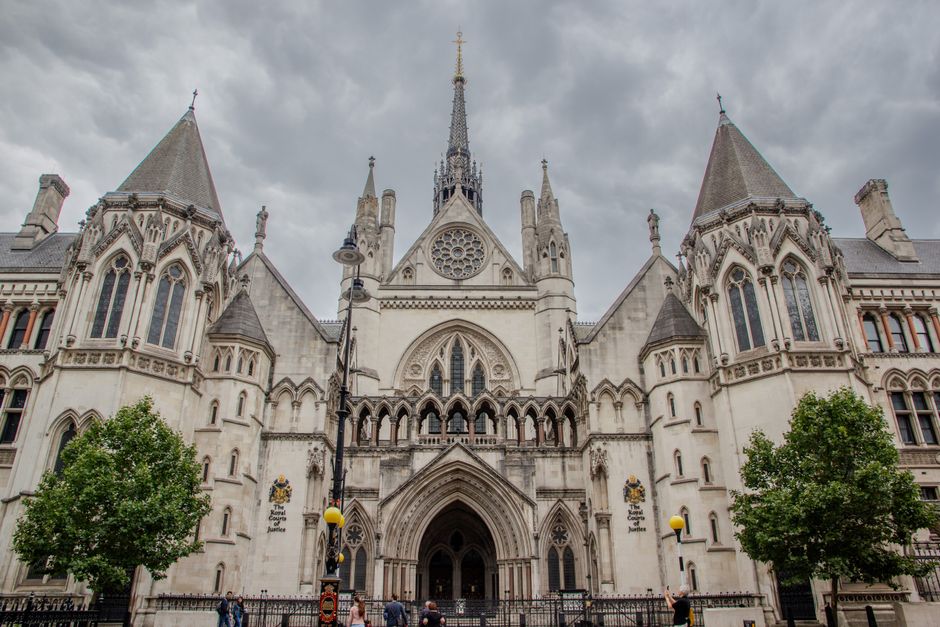
Beyond the Headlines: The Stakes for the UK
The mainstream narrative will likely focus on the individual, dissecting every detail of Isobella Perrie Sullivan’s life and background. However, the true significance of this case extends far beyond one person. This incident poses critical questions for the UK’s intelligence apparatus and its ability to detect threats, even those seemingly originating from within unexpected demographics. Are we seeing a new frontier of radicalisation, or is this an isolated incident of profound misjudgment or manipulation?
For the week ahead, this case is poised to cast a long shadow over political discussions, particularly concerning national security and intelligence. Parliamentarians returning to Westminster on Monday will undoubtedly face renewed calls for debates on domestic security measures, surveillance powers, and the vulnerability of various societal groups to extremist influences. The public’s confidence in the justice system’s ability to discern truth from deception, especially when the stakes are so high, will be under an immense spotlight. Furthermore, the legal profession itself will be watching intently. The optics of a future legal professional being charged with such a grave offense will spark uncomfortable conversations within institutions that teach and practice the **law**.
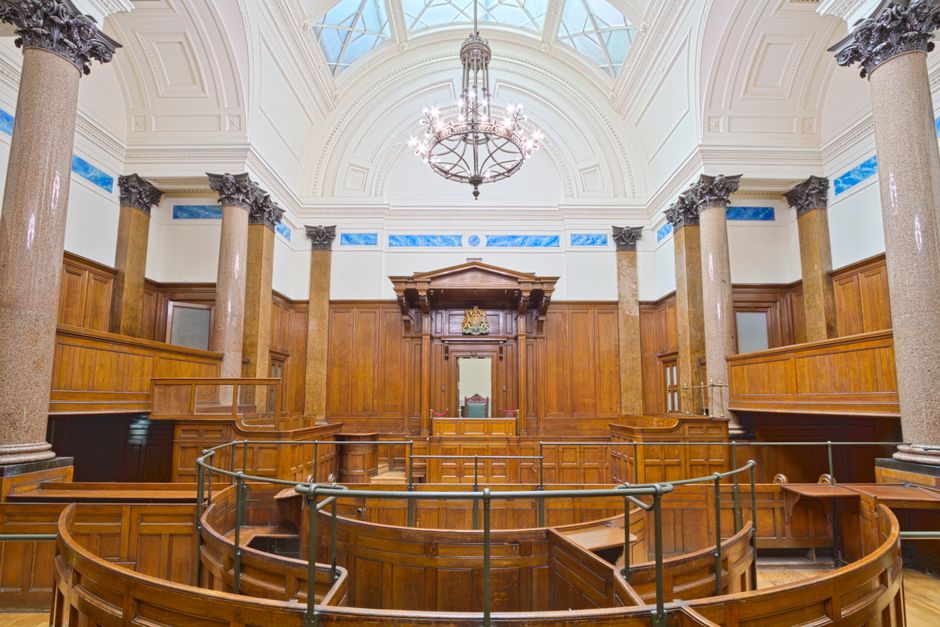
The defence’s position of alleged ignorance will place an enormous burden on the prosecution to prove criminal intent or at least a culpable level of recklessness. This isn’t merely about securing a conviction; it’s about establishing clarity in a murky situation, assuring a nervous public, and upholding the integrity of the judicial process. If such an explosive device could be transported unknowingly, it speaks to a chilling vulnerability that demands immediate and profound answers. This case is not just about guilt or innocence; it’s a profound examination of vigilance, trust, and the ever-present threat lurking beneath the surface of everyday life.
As the courts prepare to dissect this complex and deeply troubling case, the nation will be watching. Not just for the verdict, but for what it ultimately reveals about the resilience of British society and its unwavering commitment to justice under the rule of **law**.
Source: BBC UK