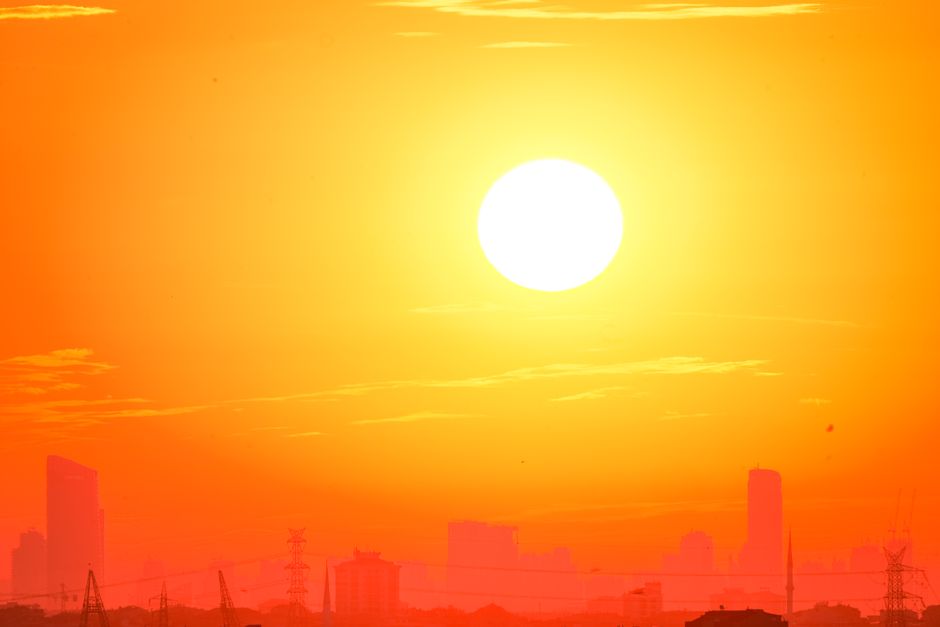
Prepare yourselves, Britain, because another UK Heatwave is not just a forecast; it’s a reckoning. For weeks, we’ve enjoyed – or endured, depending on your disposition – a predominantly dry spell. Now, the skies might offer a fleeting drizzle this weekend, a paltry gesture before the real main event descends.
According to BBC UK, temperatures are set to soar, potentially peaking at a scorching 35°C. This brief period of rain will do little to truly break the pattern. It’s merely a temporary reprieve, a blink-and-you’ll-miss-it interlude before the heat returns with a vengeance.

The Inevitable UK Heatwave Cycle
We’ve been here before, haven’t we? Each summer, the British public collectively gasps at the prospect of temperatures exceeding 30°C. Yet, this isn’t some freak occurrence anymore; it’s becoming a depressingly predictable cycle. The dry weeks leading into intense heat, followed by a minor splash of rain that offers false hope, then back to the furnace. This isn’t just about uncomfortable commutes or wilted garden plants; it speaks to a deeper, more systemic issue that the UK consistently sidesteps.
The infrastructure, designed for a milder, wetter climate, buckles under the strain. Our railways warp, our roads melt, and our vital services, particularly the NHS, struggle to cope with heat-related illnesses. Meanwhile, the national conversation often devolves into nostalgic longing for “proper” British summers or cynical jokes about our inability to handle anything above 20°C. This collective shrug of indifference, however, ignores the very real and escalating danger. It masks a dangerous complacency within our national psyche and, more critically, within our policy-making.
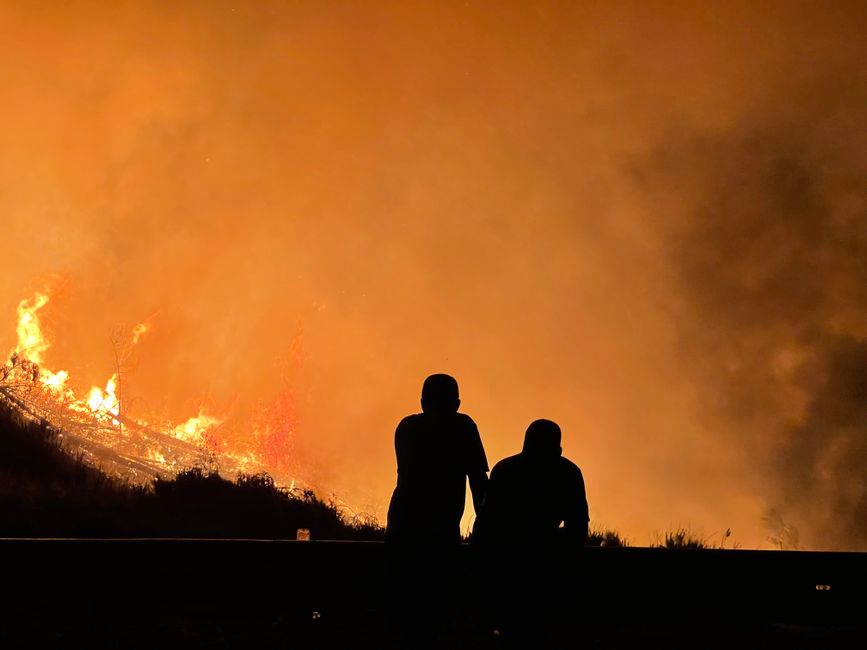
The players are clear: a population ill-equipped for sustained heat, a government often reactive rather than proactive, and an environment undeniably shifting. The sporadic rain offers a momentary distraction from the long-term trends. It allows us to pretend that a brief shower can wash away the growing evidence of climate change, rather than acknowledging the deeper currents at play.
The Cost of Complacency
The mainstream narrative often frames these events as mere weather phenomena. However, this perspective misses the profound implications for public health, economic stability, and social equity. Who truly benefits from a heatwave? Perhaps those selling ice cream and paddling pools, but the vast majority of the nation suffers. The elderly, the very young, and those with pre-existing conditions are disproportionately at risk. Our healthcare system, already stretched thin, faces an additional burden that could be mitigated with better planning and investment.
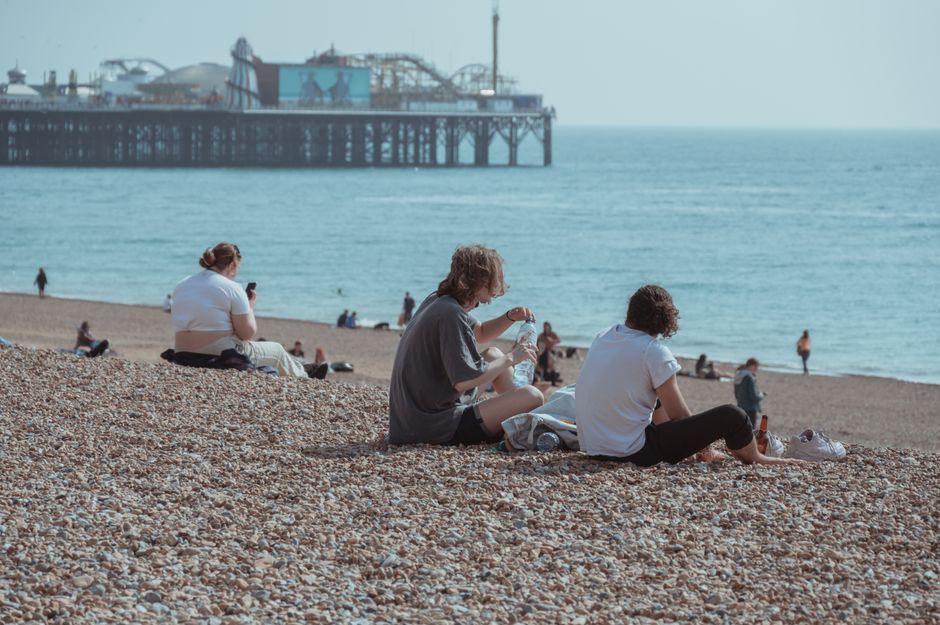
What could go wrong? Beyond the immediate health risks, consider the economic fallout. Productivity dips as workplaces become unbearable. Agricultural yields suffer from prolonged drought. Transport networks face regular disruption, costing businesses and commuters precious time and money. Yet, our political discourse still largely treats climate adaptation as a secondary concern, a problem for “future generations” rather than an urgent, present reality. We are missing the opportunity to build resilience, to invest in cooler homes, better urban planning, and robust emergency protocols.
The hypocrisy is stark. We lament the heat, yet resist the fundamental changes required to address its root causes or even its immediate impacts. We’re excellent at complaining, but less so at enacting meaningful solutions. The brief rain this weekend, therefore, becomes a symbol of this national denial – a fleeting moment of relief that prevents us from confronting the much larger, hotter storm on the horizon. It’s time to stop treating every Heatwave as an isolated event and start seeing it for what it truly is: a symptom of a larger, unaddressed crisis.
So, enjoy that fleeting sprinkle, Britain. But don’t let it fool you into thinking the problem has gone away. Because when the sun beats down again, stronger and longer, will we finally admit that our “stiff upper lip” is no match for a climate in flux?
Source: BBC UK