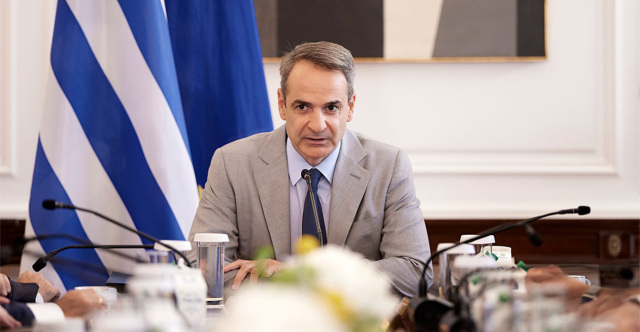
As the chill of autumn deepens, the Greek Government is clearly feeling the impending cold front of a general election, with a recent report detailing its strategic preparations for a tough pre-election winter.
The political landscape is shifting, and the New Democracy government, led by Prime Minister Kyriakos Mitsotakis, finds itself navigating a confluence of domestic economic pressures and complex geopolitical challenges. With rising prices squeezing household budgets and long-standing tensions with Turkey once again simmering, the stakes for the upcoming electoral cycle are exceptionally high. The insights offered by Protothema.gr paint a picture of a government acutely aware of its vulnerabilities and actively deploying measures to shore up public support.
The backdrop to this strategic positioning includes a potential shake-up on the right, with reports of a prospective party from former Prime Minister Antonis Samaras and the release of Ilias Kasidiaris threatening to fragment the conservative vote. This internal challenge, combined with the broader economic anxieties, demands a finely tuned response, and the government appears to be attempting just that.
What landed
In a move that demonstrates clear responsiveness to public sentiment, the government is reportedly bringing back fuel relief measures. This is a commendable acknowledgment of the persistent pain points for everyday citizens struggling with elevated living costs. While the timing undoubtedly carries a strong electoral scent, it’s a tangible effort to ease financial burdens, and credit is due for addressing a very real and immediate concern for many Greeks. Such direct intervention, even if temporary, can provide much-needed breathing room.

Furthermore, the government’s efforts surrounding the Thessaloniki International Fair package appear to be genuinely resonating. Polling data suggests these initiatives are successfully reaching beyond New Democracy’s traditional 30% vote share, indicating a broader appeal for the measures introduced. This is a significant win, suggesting the government’s messaging and policy substance are breaking through partisan lines and connecting with a wider swathe of the electorate. It reflects a strategic success in communicating its economic vision and demonstrating its capacity to deliver.
What doesn’t add up
While the government’s pre-election strategy shows a degree of astute political maneuvering, there are notable omissions and implicit contradictions that warrant a closer look. The reintroduction of fuel relief, for instance, while welcome, raises questions about the long-term sustainability of such interventions. Are these stop-gap measures designed solely to manage pre-election optics, or part of a more comprehensive strategy to tackle the root causes of inflation and energy price volatility? The narrative leans heavily towards the former, implying a reactive rather than a proactive approach to economic stability.

Moreover, the report notes that “Turkey tensions loom,” yet offers little insight into the government’s specific diplomatic or defensive strategies to navigate this critical foreign policy challenge. In a pre-election period where national security is often a salient issue, the absence of a detailed plan or even a robust statement on how these tensions will be managed is a significant gap. Voters will surely demand more than a mere acknowledgment of the threat; they will want assurances of a clear and decisive approach.
Finally, the looming threats from a prospective Samaras party and the re-emergence of Ilias Kasidiaris on the political right are highlighted, but the government’s internal strategy to mitigate these challenges remains opaque. How does New Democracy plan to consolidate its right-wing base while simultaneously appealing to a broader electorate? The balancing act is precarious, and a clear articulation of how it intends to counter these centrifugal forces is conspicuously absent. One might be skeptical that the current economic relief measures alone will be enough to quell internal party dissent or prevent a drift towards more extreme factions.
Monday morning, the Greek government won’t just be facing rising prices and international tensions; it will be confronting the immediate fallout of its carefully crafted pre-election narrative. While some tactical wins are evident, the broader strategic picture remains clouded by unanswered questions and the inherent tension between short-term electoral gains and long-term national stability. The coming winter promises not only cold weather but a searing political heat.
Source: OnTheRecord