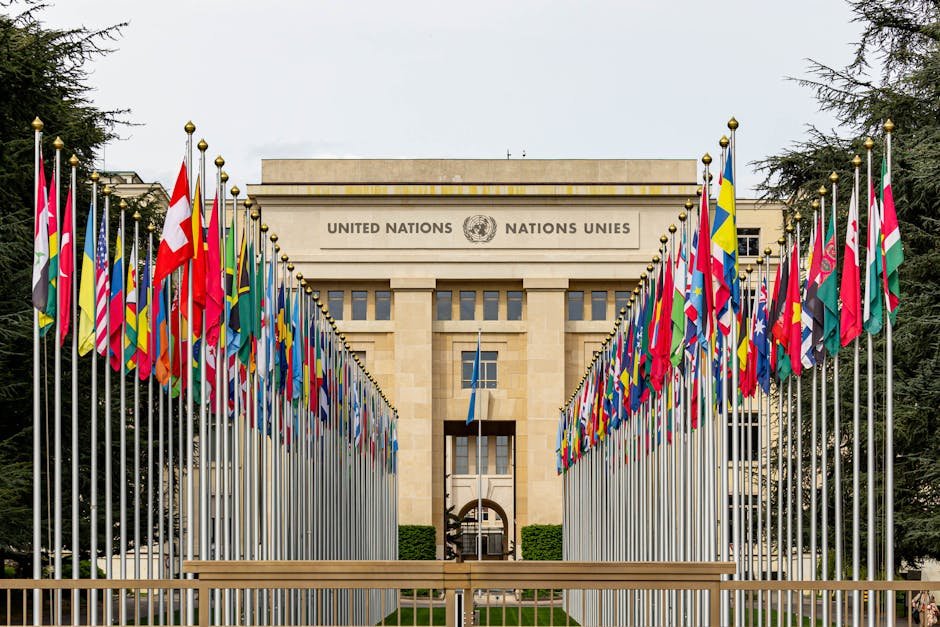
India’s recent denunciation of Pakistan at the UN over the ‘Fitna al Hindustan’ label is more than just a diplomatic spat; it’s a reflection of the deep-seated tensions that have long plagued South Asia. In a region where words can ignite conflicts, this latest exchange is a stark reminder that the stakes are high, and the rhetoric is increasingly hostile.
According to DW.com, India criticized Pakistan for using this incendiary term during discussions at the United Nations, claiming it falsely portrays India’s actions and intentions in the region. Pakistan has consistently used this label to paint India as a source of discord and violence, particularly in the context of Kashmir.
Tensions in South Asia: A Long-Standing Rivalry
This confrontation is not just about the words exchanged between ambassadors; it taps into the very foundation of Indo-Pakistani relations, which have been marred by wars, terrorism, and unresolved territorial disputes. The ‘Fitna al Hindustan’ label represents a narrative that has been used by Pakistan to rally international support against India’s policies in Kashmir and elsewhere. As both nations jockey for influence in South Asia, the rhetoric becomes a crucial tool in shaping perceptions.
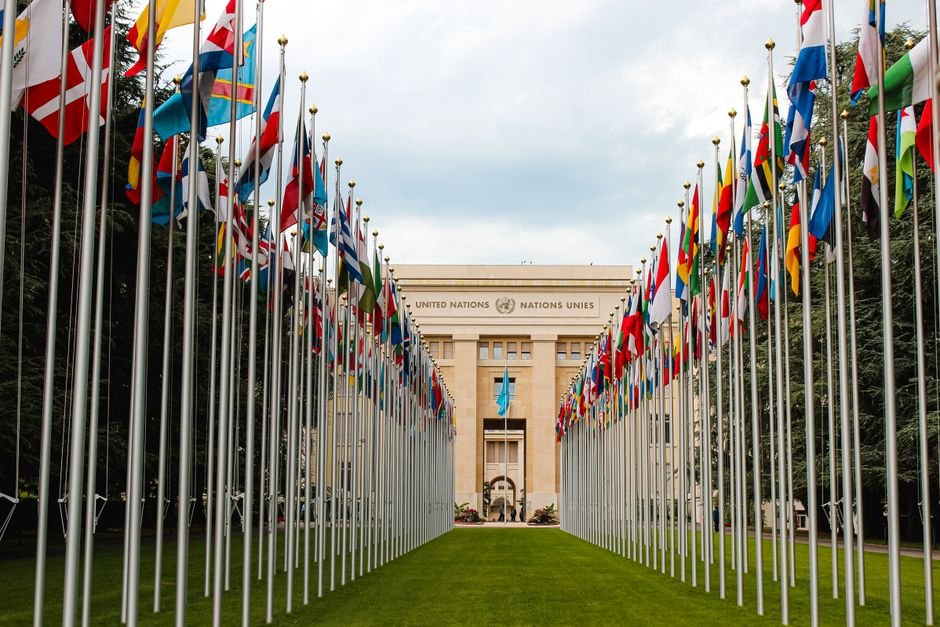
The UN platform allows both countries to air grievances to a global audience, creating a stage for a performance that goes beyond mere diplomacy. But this is more than just a shouting match in a crowded hall; it’s a battle for the soul of South Asia, where both nations seek to define what it means to be a regional power.
A Dangerous Game of Rhetoric
What’s particularly troubling is that such inflammatory language can have real-world consequences. As India slams Pakistan for using provocative terms, the reality is that this exchange can easily escalate tensions on the ground. The mainstream dialogue often overlooks this crucial point: while diplomats exchange pleasantries and barbs, the soldiers and civilians in Kashmir and along the border continue to bear the brunt of a conflict that is decades old.
Moreover, as the Indian government seeks to portray itself as a stable, democratic force in South Asia, labeling Pakistan as the “Fitna al Hindustan” may play well to a domestic audience but risks international backlash. The irony is rich; in its quest to combat an image of intolerance, India might inadvertently fuel the narrative it seeks to dismantle.
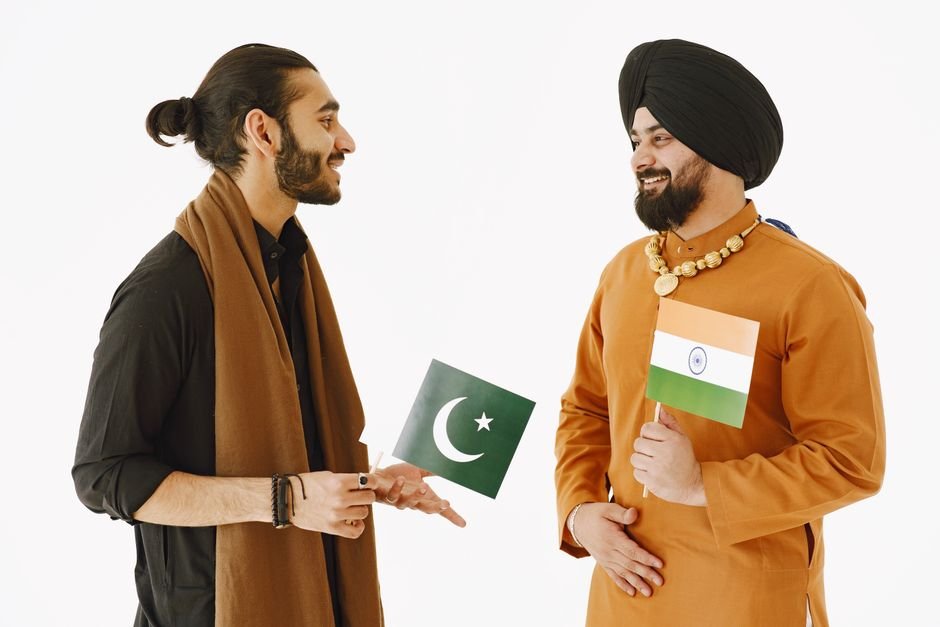
The winners in this scenario? Perhaps various nationalist factions within both countries who thrive on the perpetuation of conflict for political gain. The losers? The everyday citizens of South Asia who are caught in a web of violence, fear, and uncertainty. As both governments choose rhetoric over reconciliation, what could go wrong is chilling: a miscalculation could lead to an escalated military confrontation, dragging the entire region into chaos.
The mainstream media often misses the nuances here; this is not just about political posturing but about the very future of South Asia itself. As countries like China and the United States look to exert their influence, the squabbling between India and Pakistan could have broader implications, affecting trade routes, alliances, and security pacts.
As we watch this verbal clash unfold, the question lingers: can South Asia ever break free from the chains of its contentious past, or are we simply witnessing the latest act in an unending drama? Only time will tell, but for now, the rhetoric is as sharp as ever and just as dangerous.
Source: Google — South Asia