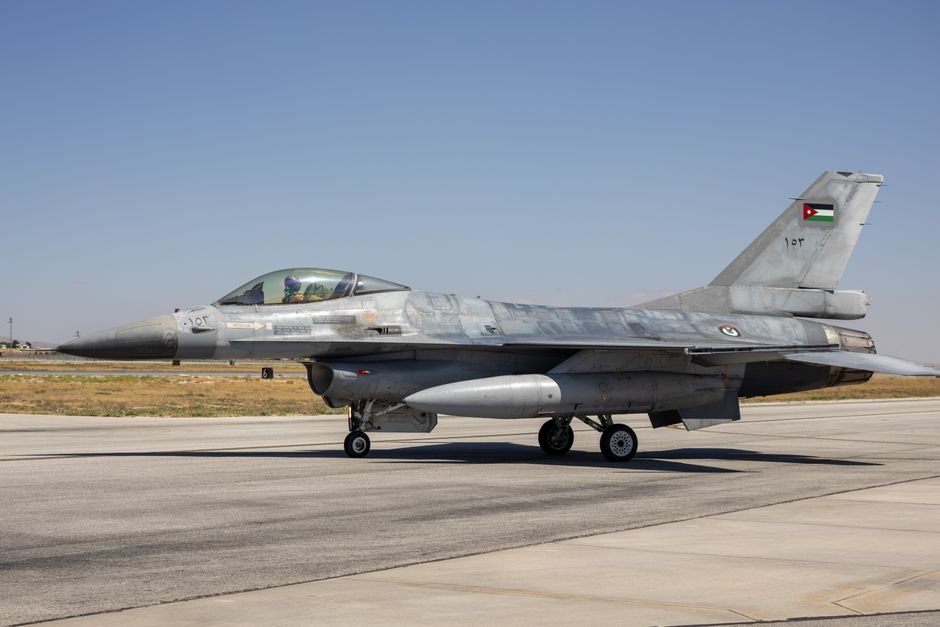
The notion that peace in South Asia is a fragile illusion took a catastrophic turn this week as Pakistan launched air strikes in Afghanistan, killing 26 people. How many more lives must be lost before the regional powers recognize that violence is not the answer to their grievances?
According to BBC reports, these air strikes are a stark reminder of the ongoing tensions between Pakistan and the Taliban-led Afghan government. This latest incident is just one chapter in a long, bloody saga of conflict, escalated by Pakistan’s frustration with Taliban factions allegedly providing sanctuary to militants who attack Pakistani soil.
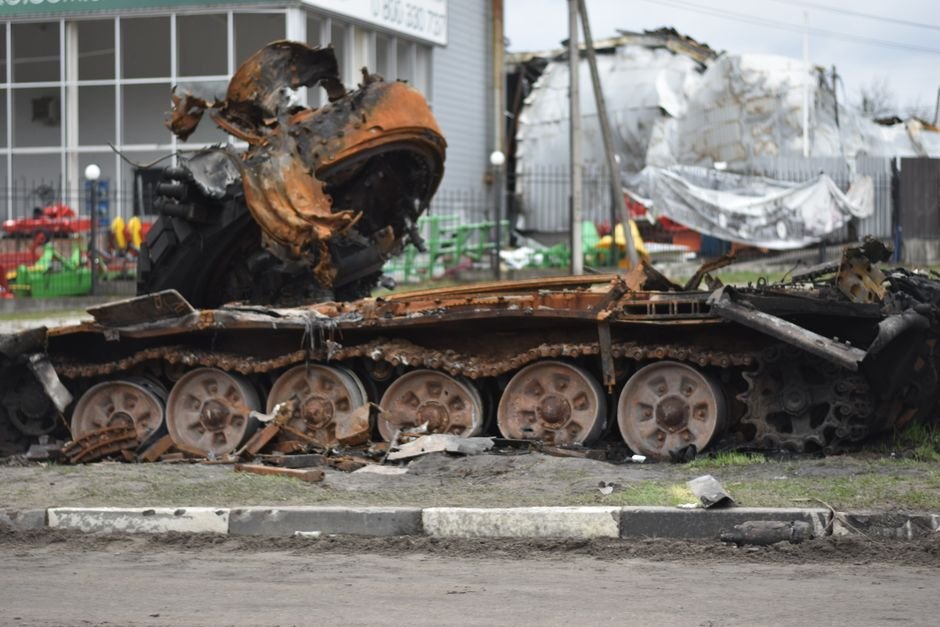
The Resurgence of Tension in South Asia
Why does this matter now? The geopolitical landscape of South Asia is shifting beneath our feet. The Taliban’s return to power in Afghanistan has sent shockwaves across the region, emboldening various factions, including those opposed to Pakistan’s authority. With Islamabad accusing Kabul of harboring terrorists, the stage is set for a violent showdown. Moreover, the international community, still grappling with its own crises, seems ill-prepared—or perhaps unwilling—to intervene decisively.
The stakes are higher than ever. As Pakistan’s military ramps up its operations, the Taliban’s ability to retaliate poses an ever-present danger. This is not merely a conflict between two nations; it is a volatile mix of nationalism, terrorism, and regional power dynamics that could further destabilize South Asia. The potential for this conflict to spread, drawing in external powers and contributing to a humanitarian crisis, looms large.
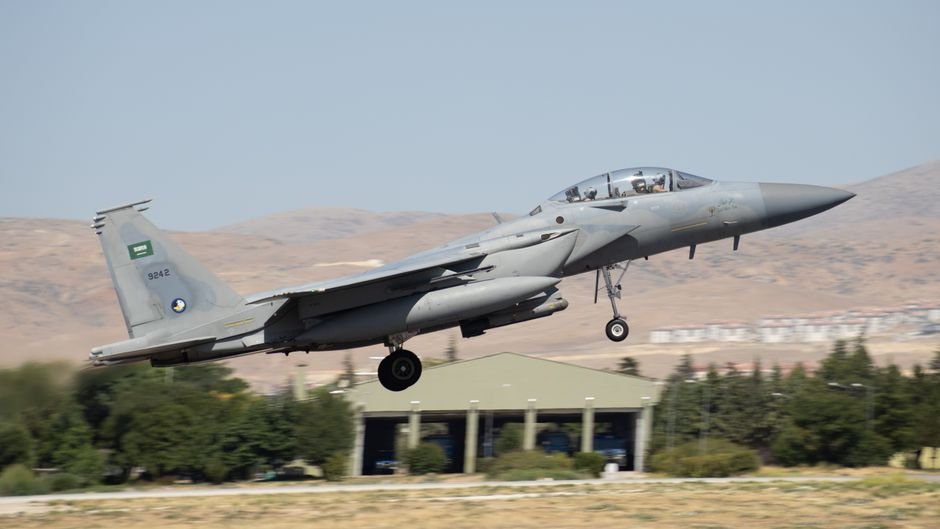
The Consequences of Military Action
The hot take? This is not just a military operation; it’s a dangerous gamble. While the Pakistani government tries to project strength, the reality is that these air strikes could create more chaos. The loss of 26 lives is a tragedy, but it also risks inciting further violence in Afghanistan, potentially uniting various factions against a common enemy—Pakistan.
Who stands to gain? Perhaps short-term political capital for the Pakistani military or government officials. But at what cost? The Taliban will likely retaliate, which will only exacerbate the cycle of violence. The mainstream narrative often overlooks this larger picture: the conflict in South Asia is not merely about borders or sovereignty; it’s about the lives that hang in the balance and the futures that are erased with every strike.
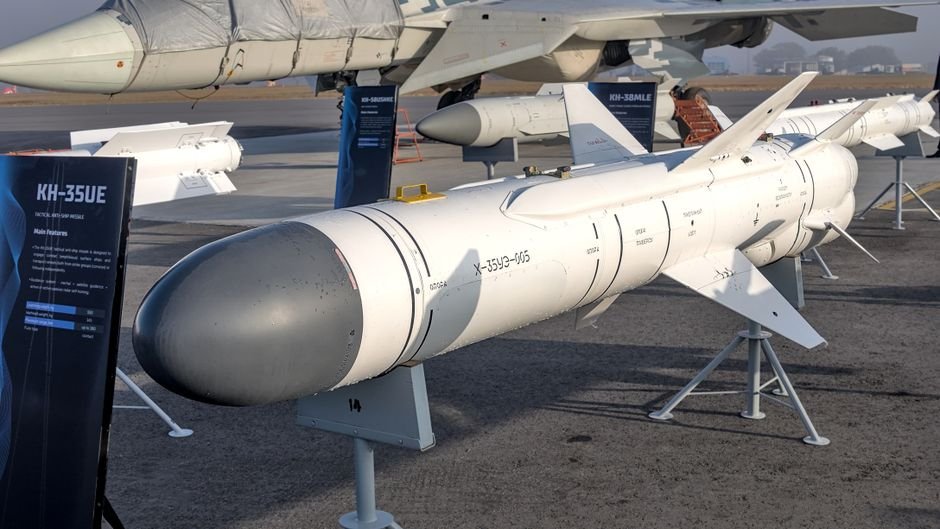
On the flip side, there’s a possibility that this escalated military action could compel international powers to reconsider their approach in the region. But that’s a long shot at best. For now, the world watches as South Asia teeters on the brink of an even greater crisis.
In a region riddled with scars from past conflicts, one has to wonder: will this latest round of violence wake the sleeping giants in the international community? Or will it spiral into a deeper abyss, further entrenching the cycle of revenge? As the smoke clears from the air strikes, one thing is clear: the road to peace in South Asia is not just unpaved; it’s littered with the debris of lost lives and fractured hopes.
Source: Google — South Asia