Governor Oyebanji’s latest pronouncements on cultural investment offer more questions than answers about actual commitment to Ekiti.
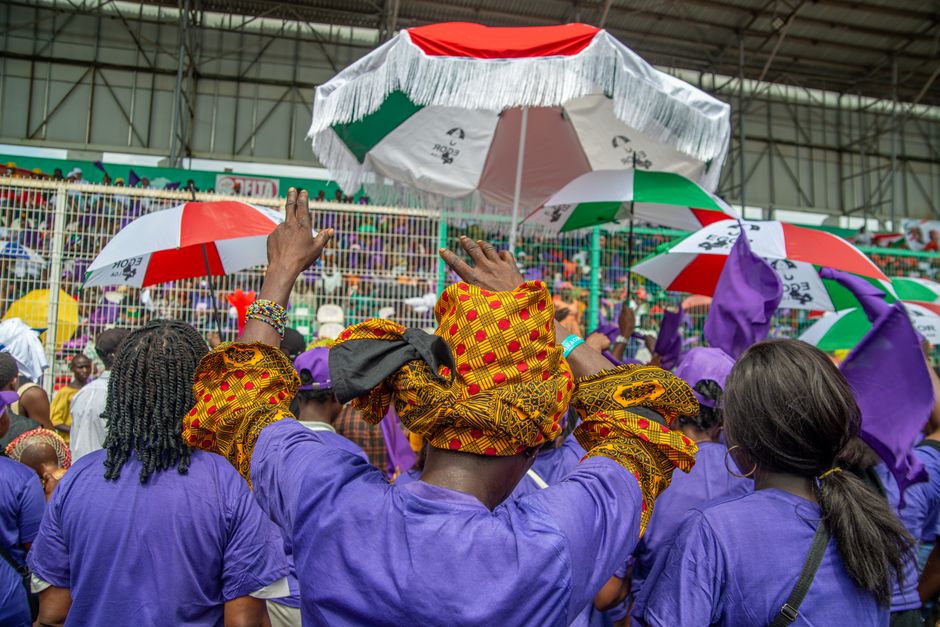
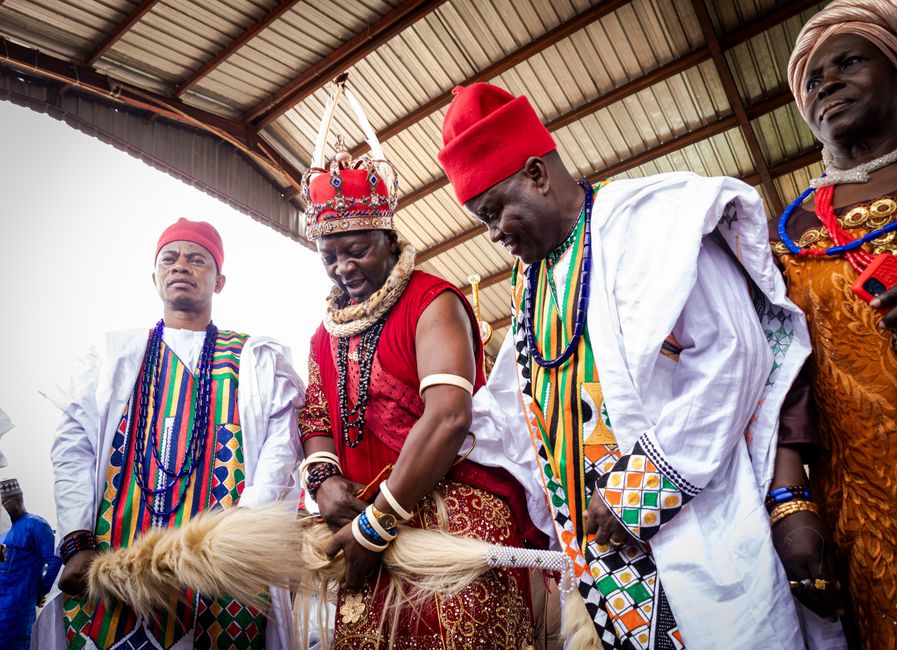
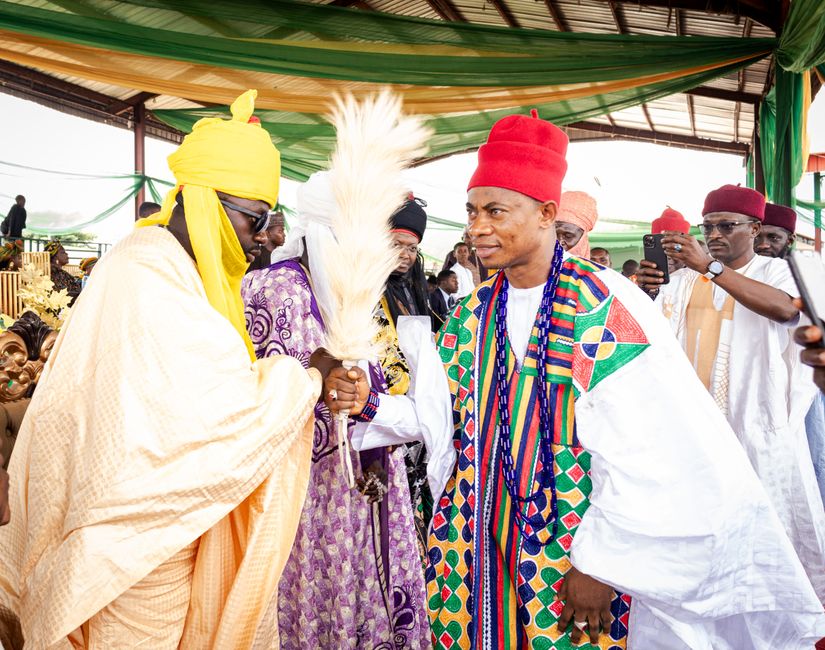
Speaking at the Udiroko Festival, Governor Biodun Oyebanji reiterated his administration’s commitment to promoting Ekiti State’s rich cultural heritage and boosting tourism. The occasion, as reported by Punchng.com, saw the Governor pledging support for the expansion of the festival, positioning it as a key driver for both cultural preservation and economic development. This wasn’t merely a casual nod; it was a public declaration to a captive audience, framed as a strategic move to unlock the state’s potential. The political context is clear: a leader aligning himself with popular local traditions, ostensibly leveraging them for broader state prosperity.
The move comes at a time when many states in Nigeria grapple with balancing development priorities against the often-underfunded cultural sector. Oyebanji’s appearance at the festival and his ensuing pledge serve as a public relations coup, attempting to demonstrate a holistic vision that extends beyond infrastructure and social services to include the arts. But as with many such pronouncements, the devil, or rather the budget line, remains stubbornly in the details.
What landed
What landed, with remarkable clarity, was Governor Oyebanji’s explicit public endorsement of Ekiti’s cultural assets. To stand before a crowd at the Udiroko Festival and declare a commitment to “promoting Ekiti’s cultural heritage and tourism” is, on its face, a positive signal. He specifically pledged “support for the expansion” of the festival itself. This isn’t insignificant; it acknowledges that culture isn’t a static museum piece but a dynamic, growing entity that requires nurturing.
The Governor’s statement effectively positioned cultural growth as an integral part of his administration’s agenda, a move that undoubtedly resonated with the community gathered for the festivities. It was a strategic reminder that a state’s identity and appeal extend beyond its economic indicators, offering a sense of pride and potential for local engagement. For a moment, at least, the rhetoric suggested a future where festivals like Udiroko are not just celebrated but actively invested in, transforming them into engines of local economy and identity. The intention, at least, appeared to be to elevate culture from a peripheral concern to a central tenet of governance.

What doesn’t add up
While Governor Oyebanji’s pledge at the Udiroko Festival sounded encouraging, the true test of political will lies not in the pronouncement, but in the implementation. What doesn’t add up here is the conspicuous absence of concrete specifics. “Pledging support for the expansion” of a festival is a laudable sentiment, but what does that actually entail? Is it a budget allocation that has been meticulously planned and approved, or simply a well-intentioned promise delivered on a celebratory platform? The Punchng.com report offers no specifics on financial commitments, timelines, or even the strategic framework that would underpin this “expansion.”
This lack of detail immediately raises a skeptical eyebrow. Is this a genuine policy initiative, or a carefully crafted piece of political theatre, designed to garner goodwill at a culturally significant event? We’ve heard such pledges before, often evaporating into the ether once the celebratory drums fade. What tangible resources will be dedicated? Will this “support” come at the expense of other critical sectors, or is it genuinely new funding? Furthermore, how does this pledge align with previous statements or budget allocations concerning cultural development in Ekiti? Without a reference point, it’s difficult to assess if this is a groundbreaking shift or merely a reiteration of an existing, perhaps underfunded, policy. The critical question remains: beyond the warm glow of festival lights, what specific, measurable actions will follow this pledge?
Come Monday morning, the artists, performers, and tourism operators in Ekiti will be looking for more than just a pledge. They will be looking for budget lines, for grant opportunities, for clear policy directives that translate the Governor’s words into tangible support for their craft and livelihoods. Without that, the Udiroko Festival, despite the Governor’s warm words, risks remaining a beautiful cultural event rather than the economic and social powerhouse it could truly become. The stakes are high: transform a promise into progress, or let it linger as another footnote in a politician’s speech.
Source: OnTheRecord