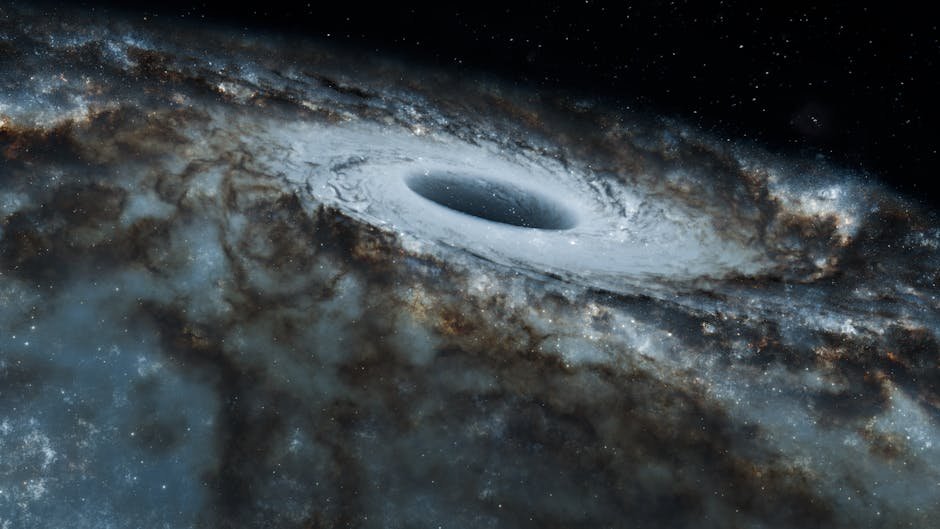
What happens when the very fabric of our understanding of the universe unravels? NASA’s latest revelation of a black hole that formed before its galaxy sheds light on the bizarre intricacies of science and challenges everything we thought we knew about cosmic evolution.
According to NASA, the James Webb Space Telescope has uncovered a black hole that predates its host galaxy, a finding that could revolutionize our understanding of how galaxies and black holes coalesce. This discovery pushes the boundaries of astrophysics and raises questions about the timeline of cosmic formation.
The Significance of This Discovery in Science
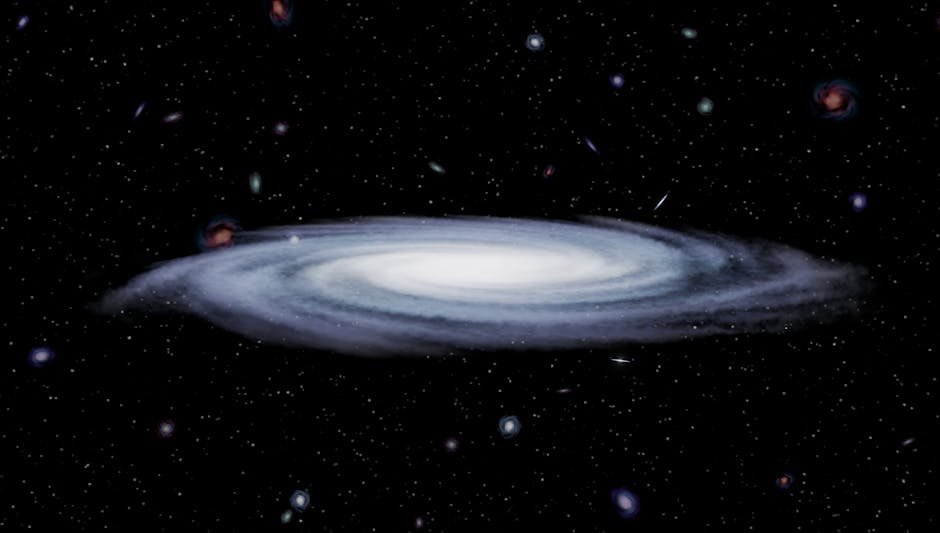
This finding comes at a moment when scientists are grappling with the history of the universe. For decades, the prevailing theory held that galaxies formed first, with black holes emerging later, typically as a result of stellar collapse. This black hole, however, appears to have formed independently before its galactic structure existed, challenging our established narratives. The implications are profound: if black holes can exist in isolation before galaxies, our models of cosmic evolution need serious revision.
The players in this cosmic drama are not just the scientists poring over the data but also the general public—who often misunderstand the complexities of astrophysical phenomena. The discovery arrives at a time when interest in space exploration and understanding our universe is soaring, fueled by technological advancements and a cultural fascination with the cosmos. It is a golden moment for scientists to educate and engage the public about the science behind these discoveries.
The Implications of a Pre-Galactic Black Hole
So, who stands to gain from this groundbreaking revelation? For one, the scientific community could benefit immensely. This black hole discovery enhances our understanding of gravitational forces and the very nature of dark matter. Conversely, it raises questions about the accuracy of historical models and could lead to a cascade of debates and re-evaluations within astrophysics.
However, this discovery is not without its pitfalls. The mainstream scientific community is notorious for double-checking its facts, and a revelation like this could ignite a proliferation of skepticism. Some might argue that this discovery might be an outlier, leading to premature conclusions and potentially muddling the field with speculative theories that lack sufficient empirical support.
Moreover, the temptation to sensationalize findings in the era of social media could lead to a misunderstanding of what this discovery actually means. In a time when science is often viewed through the lens of entertainment, clarity and accuracy must prevail. Scientists need to communicate these findings effectively to prevent misinterpretation and misinformation.
In considering the broader context, this discovery may also reignite debates around the nature of black holes themselves. Are they mere remnants of dead stars, or do they play a more active role in the universe’s formation? How does this reshape our understanding of gravity, time, and space? The rabbit hole goes deeper, and the stakes could not be higher.
As we stand on the precipice of newfound cosmic knowledge, we must grapple with an unsettling truth: our understanding of the science of the universe is still just scratching the surface. Only by embracing this complexity can we hope to grasp the mysteries that lie beyond our planet. Will this revelation lead to a renaissance in cosmic understanding, or will it spark a war of scientific ideologies? The universe, as always, holds its secrets close, waiting for us to catch up.
Source: Google — Space & Science