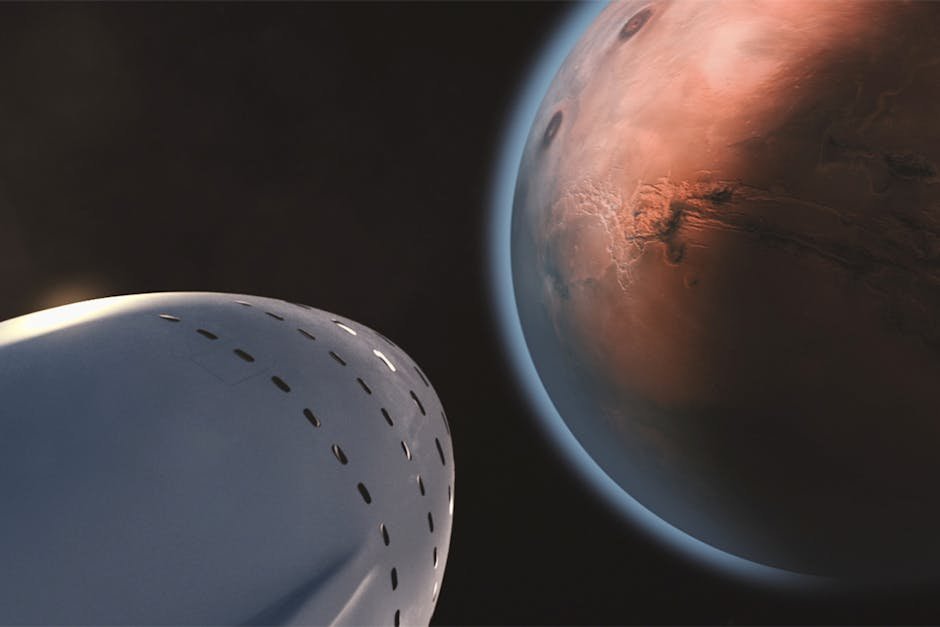
The quest for extraterrestrial life is perhaps the ultimate gamble in science, and astronomers are playing their cards all wrong. According to the Planetary Society, the James Webb Space Telescope (JWST) was set to revolutionize our understanding of the cosmos, but instead, the latest revelations have forced scientists to scrap their initial hopes of detecting alien life. What does this say about our scientific ambitions and the hubris that often accompanies them?
The JWST, hailed as a groundbreaking instrument in the realm of science, was initially expected to unveil definitive signs of life beyond our planet. However, new findings suggest that these expectations were perhaps, well, overly ambitious. The telescope has delivered extraordinary data, but the kind that raises more questions than it answers. For those who invested their hopes in the JWST, it’s time to reconsider what we truly know about the universe.
The Challenges of Scientific Discovery
This shift in perspective matters now more than ever as other nations ramp up their own space explorations. The stakes are high—scientists are racing against time and each other to explore the vastness of space. With the JWST’s limitations now evident, there’s a sense of urgency to recalibrate our scientific strategies and objectives. As nations like China and India make strides in space technology, the US risks falling behind if it doesn’t adapt swiftly. The global fascination with Mars has propelled the science of astrobiology, but are we prepared for the reality that life might not exist where we thought it did?
The JWST’s findings could force scientists and governments to pivot their strategies in exploring other celestial bodies. Rather than fixating on life as we know it, researchers may need to expand their definitions of “life” and consider alternatives that may not fit our Earth-centric views. This could lead to a broader understanding of what exists beyond our planet—but it also runs the risk of further disappointment. After all, investing heavily in the hope of discovering life, only to find nothing, is a hard pill to swallow.
The Future of Astrobiology and Scientific Pursuits
So who stands to benefit from these latest revelations? Scientists who adapt quickly will have the upper hand. They will find new avenues for research that could yield exciting discoveries about the universe. On the other hand, those who cling to traditional definitions and expectations face relegation to the sidelines of science.
Meanwhile, the mainstream narrative often overlooks the emotional and psychological toll of failed expectations in scientific discovery. The fervor for finding life can lead to disillusionment, making it easy for skeptics to dismiss the entire field of astrobiology. Yet it’s essential to remember that every failed experiment or null result serves a purpose—it adds to our body of knowledge, albeit in a roundabout way.
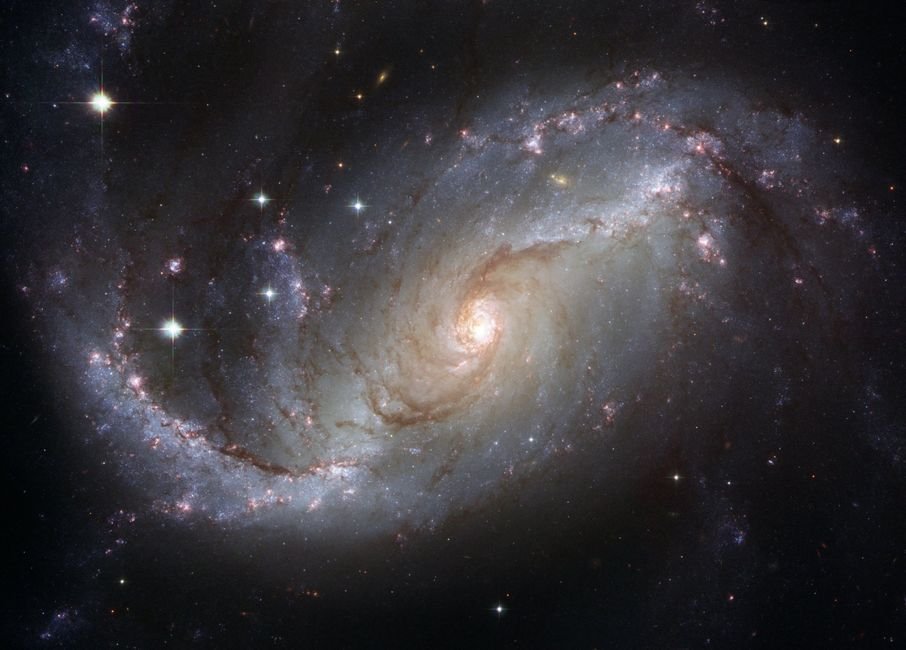
As the JWST navigates these challenging waters, the scientific community must embrace a more flexible outlook. It’s time to accept that the search for life in the universe is not merely a quest for confirmation of our own existence but a journey filled with twists, turns, and unexpected findings.
Ultimately, the JWST’s mission could redefine what success looks like in science. We may find life, or we might not. What remains is the thrill of inquiry and the relentless pursuit of knowledge. Perhaps the truest marker of success is not in the discovery of life itself, but in the uncharted territories of understanding we dare to explore.
Will the next plan take us closer to the stars, or will it be another detour? Only time—and a willingness to adapt—will tell.
Source: Google — Space & Science