In an age where technology promises peace, the violent realities of the Middle East remind us of an uncomfortable truth: the region is still a powder keg. Israel recently launched strikes in southern Lebanon, but astonishingly, a partial truce with Hezbollah seems to hold—at least for now. According to BBC reports, this latest flare-up is a stark reminder that diplomacy in the Middle East often hangs by a thread.
The Current Landscape in the Middle East
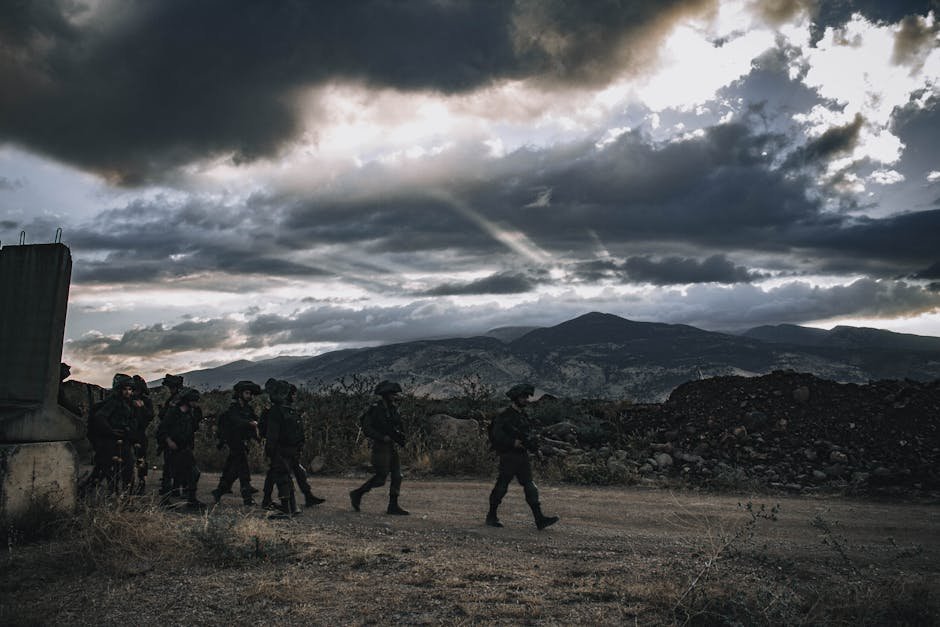
Tensions between Israel and Hezbollah are nothing new. The backdrop of this latest conflict is a decade-long history of skirmishes, with both sides regularly exchanging fire across the Lebanon-Israel border. The recent Israeli strikes appear to be a response to perceived threats from Hezbollah, which has been increasing its military presence near the border. This fragile truce, while holding, feels more like a temporary band-aid on a festering wound. The stakes have never been higher, and the players involved—Israel, Hezbollah, and international observers—are all too aware that one wrong move could reignite full-scale hostilities.
What makes this situation even more complex is the involvement of external powers. Iran’s backing of Hezbollah adds another layer, complicating any attempts at resolution. Meanwhile, the United States and other allies express concern, urging restraint from both sides. The international community watches closely; the volatile dynamics of the Middle East could explode into a broader conflict at any moment.
What This Means for the Middle East
The repercussions of these strikes extend beyond immediate military actions. For Israel, a strong response against Hezbollah is aimed at deterring future aggression, showcasing its military prowess while trying to maintain its regional standing. However, this approach risks alienating moderates and fostering a more unified front among Lebanon’s factions against Israel.
On the flip side, Hezbollah has to navigate its own internal pressures. The organization portrays itself as a defender of Lebanon, yet each Israeli strike chips away at that narrative. If civilian casualties mount, it risks losing popular support, especially among those Lebanese who are weary of war and long for stability.
The mainstream narrative surrounding these conflicts often oversimplifies the complexities at play. What we’re witnessing is not just a battle of arms, but a chess game of regional power dynamics, where every move has far-reaching implications. The partial truce can’t obscure the fact that both sides are locked in a dangerous dance, and it’s anyone’s guess who will step on the toes next.
Israel may play it cool now, but the question remains: how long can this truce last? The balance is precarious, and every airstrike or missile launched could tip the scales. The Middle East is a volatile environment where peace treaties are often as fragile as the paper they’re written on.
As we look forward, one thing is clear: unless there’s a genuine commitment to dialogue and conflict resolution, the Middle East will remain a battleground, ripe for exploitation by those who thrive on chaos. As technology evolves, so too must our approaches to conflict resolution, yet the lessons of the past continue to echo ominously through the region. Will the powers that be finally break the cycle of violence, or are we just watching the prelude to a much larger conflict? Only time will tell, but hope is in short supply in the Middle East.
Source: Google — Middle East