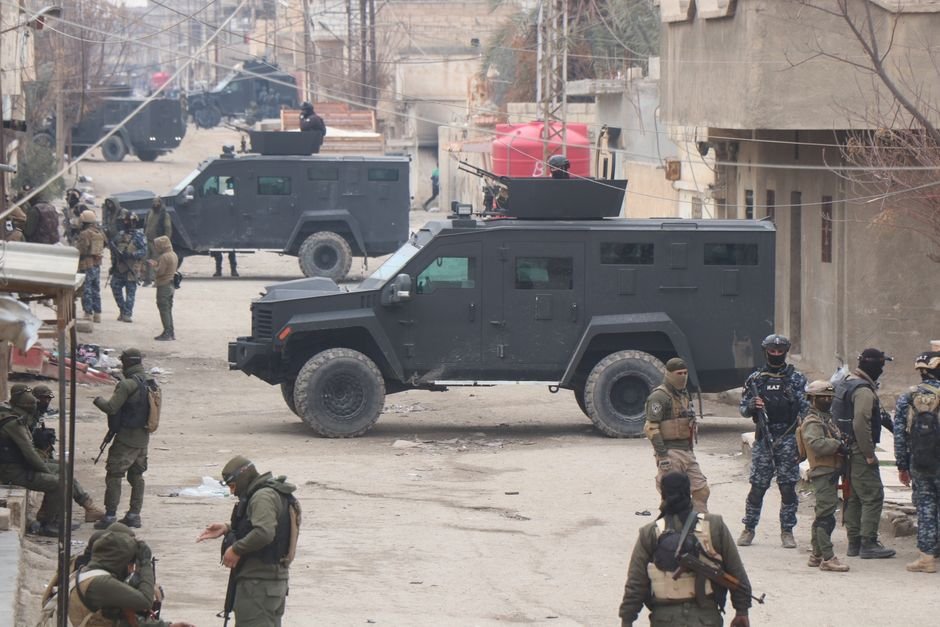
A new wave of violence is crashing upon the Middle East, and once again, the world seems poised on the precipice of conflict. What is it going to take for us to understand that the old ways of diplomacy aren’t working? According to NBC News, Iran has launched deadly strikes in the Gulf, escalating tensions with the U.S. in a seemingly endless cycle of retaliation that has put a fragile ceasefire to the test.
Context: The Fragile Landscape of the Middle East
This latest wave of strikes is not just a random act; it’s the culmination of years of strained relations and miscalculations among the major players in the region. The U.S. and Iran have long danced this dangerous tango, with each side testing the other’s resolve. The ceasefire, ever so delicate, now hangs by a thread, threatened by Iran’s aggressive moves in the Gulf. Geopolitical chess has never been this deadly, and with oil-rich interests at stake, the players are not just Iran and the U.S. but also an array of allies and adversaries waiting to exploit any weakness.
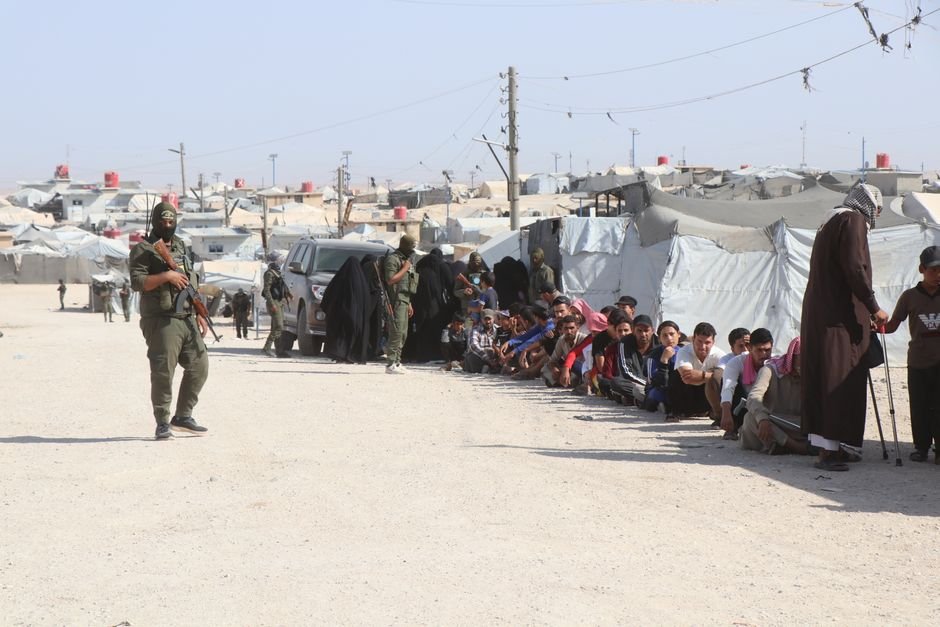
The poverty of meaningful engagement has left a vacuum that Iran seems all too eager to fill with violence. The stakes are high, and the ramifications could ripple far beyond the Middle East. This is not merely about military might; it’s about defining the future of regional power dynamics.
Hot Take: Who Wins and Who Loses in This Game?
Make no mistake: this is a high-stakes gamble. The immediate losers are the civilians caught in the crossfire, their lives forever altered by the whims of leadership far removed from their realities. Iran may gain a temporary upper hand, showcasing its military capabilities and resolve. However, the long-term consequences could be disastrous—not just for themselves, but for the entire region.
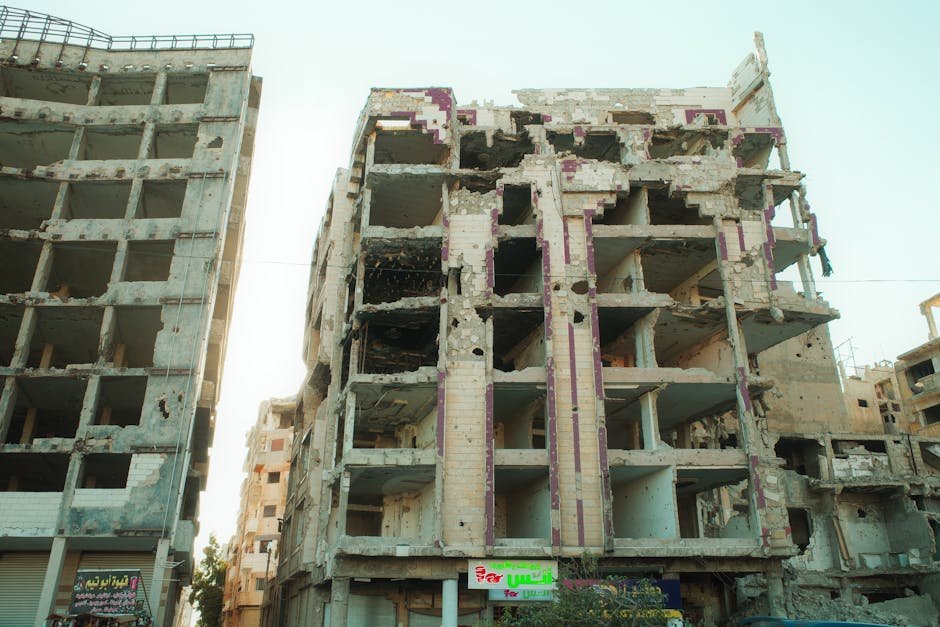
Should the U.S. choose to respond militarily, we risk dragging not only our own nation but also our allies into an unwinnable quagmire. The mainstream narrative often frames these conflicts in terms of black and white—good versus evil—but the reality is riddled with shades of gray. The potential for miscalculation is enormous, and with both sides now on edge, the risk of a full-blown escalation is more than just a possibility; it is an imminent threat.
While the world watches and waits, the key players are sharpening their knives. This is a classic case of brinkmanship where a single misstep could ignite a powder keg. The mainstream media would have us believe that we are on the brink of peace or war, but the truth is that we’ve been on this razor’s edge for far too long.
As the Middle East continues to unfold its tragic narrative of violence and retaliation, the question that lingers is: how many more lives must be sacrificed before a genuine attempt at peace is made? Will we continue to let old grievances dictate the future, or will we dare to chart a new course? The clock is ticking, and the world cannot afford to remain passive much longer.
Source: Google — Middle East