Is peace in the Middle East just a mirage? As Israel embarks on a new wave of airstrikes against targets in Lebanon, instability continues to reign supreme. The escalating military actions juxtapose sharply with former President Donald Trump’s insistence that a new Iran deal is on the horizon, leaving many to question whether these diplomatic overtures can withstand the violence on the ground.
According to NBC News, Israeli forces targeted various sites in Lebanon as tensions brewed over reported rocket attacks originating from the area. This comes at a time when Trump declares an impending breakthrough regarding Iran—a country often labeled as a regional antagonist by Israel.
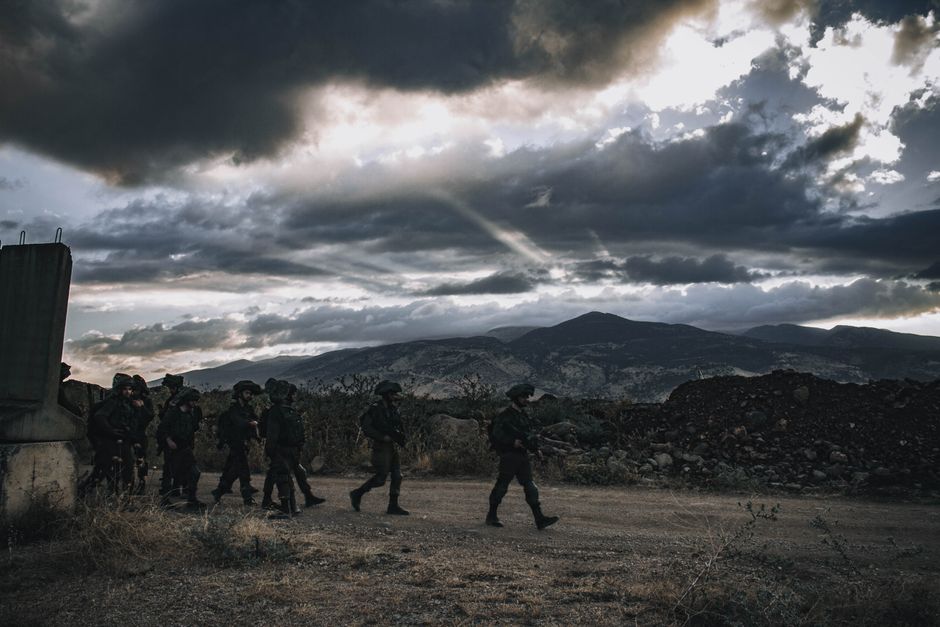
Context: The Middle East Meltdown
The current situation in the Middle East is a complex tapestry woven with historical animosities, strategic alliances, and shifting power balances. Israel’s strikes are not merely reactive; they reflect a long-standing policy of preemptive defense against perceived threats from Hezbollah and other Iranian-backed factions positioned right across its northern border. This is not the first time Israel has launched strikes in Lebanon, but each attack heightens the risk of a broader confrontation.
Meanwhile, Trump’s assertion of a new Iran deal appears more like a distraction than a diplomatic breakthrough. The concept of negotiating with a nation that Israel sees as an existential threat is inherently fraught. The delicate balance of power is aggravated by international players, notably the U.S. and Russia, pursuing their own strategic interests. Here, diplomacy and warfare are often two sides of the same coin.
Hot Take: The Stakes in the Middle East
Underneath the surface, this escalating conflict in the Middle East has far-reaching implications. Who emerges victorious? Certainly not the civilians caught in the crossfire. Each airstrike fuels resentment and desperation, inciting cycles of retaliation that have plagued the region for decades. Israel may secure short-term tactical advantages, but the long-term consequences could be devastating, potentially igniting a new conflict that engulfs more than just Lebanon.
Meanwhile, Trump’s claim of an impending Iran deal raises eyebrows. If anything, it highlights the hypocrisy of Western foreign policy, which often waffles between aggressive military action and conciliatory diplomacy. The mainstream narrative that a peace deal could materialize amidst the chaos is not just naive; it’s dangerously misleading. There is a chilling possibility that as Israel intensifies its campaign against Hezbollah, a power vacuum could emerge, further empowering extremist groups in the region.
What’s missing in popular discussions is the realization that military action rarely brings about sustainable peace. Instead, it sows the seeds for future conflict. The Middle East remains a powder keg, with sparks flying from every corner, and peace feels further away than ever amidst these new strikes.
As the dust settles on these latest airstrikes, one must wonder: can any peace deal be taken seriously when the bombs are still falling? The growing instability suggests that the next chapter in this complex saga is likely to be written in blood rather than ink. The real question is whether the world is prepared to face the consequences of its inaction.
Source: Google — Middle East