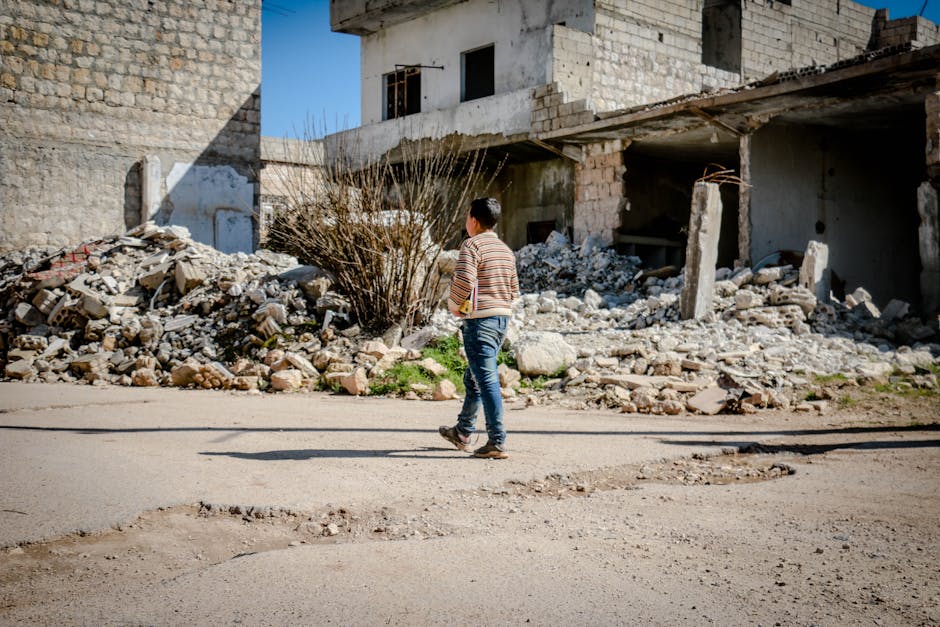
Is the Middle East doomed to repeat its tragic cycles of violence, or is there a glimmer of hope in the latest discourse surrounding civilian protection in the Iran war? Recent findings from the Pew Research Center reveal a cacophony of opinions from Israelis, Palestinians, and Americans, highlighting a profound and uncomfortable truth: when it comes to safeguarding civilians, no one seems to agree on who’s doing enough.
According to Pew, a survey shows stark divisions among these groups on which countries are effectively protecting civilians amidst the chaos of the Iran war. Each demographic perceives both the responsibilities and failures of nations differently, revealing a fragmented understanding of what constitutes adequate support for civilian populations caught in the crossfire.
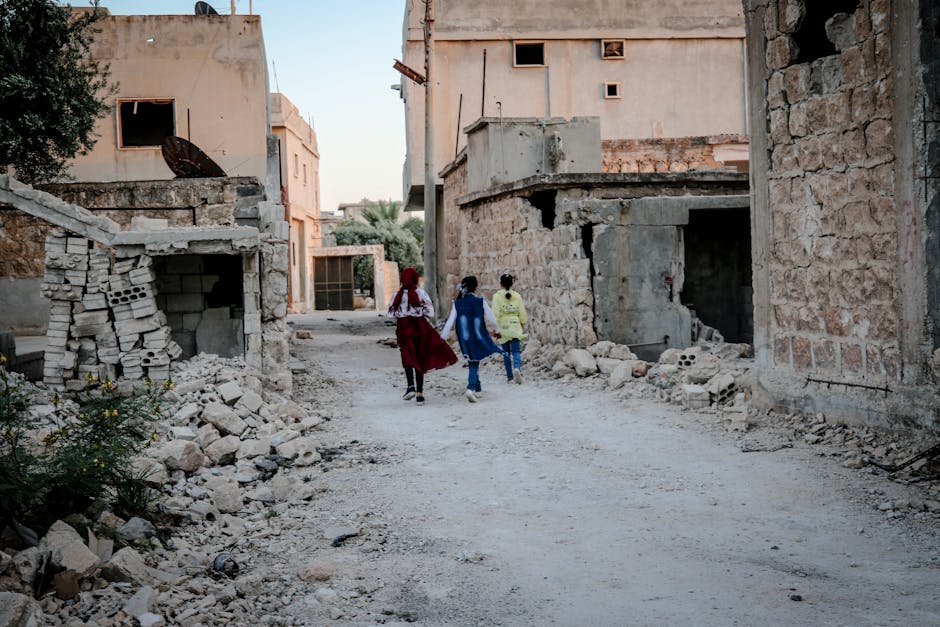
The Stakes in the Middle East: A Nuanced Crisis
Why does this matter now? The Middle East has long been a theater of geopolitical tension, woven with complex narratives and historical grievances. The Iran war exacerbates this landscape, drawing lines that pit nations against each other while civilians bear the brunt of the fallout. Israelis are concerned about Iran’s influence; Palestinians seek recognition and protection against aggression; and Americans wrestle with their own moral responsibilities as arms suppliers and geopolitical players. Each group comes to the table with its own historical baggage, making consensus nearly impossible.
Furthermore, the timing of this survey is critical. With rising tensions and a global audience increasingly attuned to humanitarian issues, the question of civilian protection isn’t just a matter of political posturing; it’s a moral litmus test for these nations. If the discussion on civilian safety continues to devolve into finger-pointing, real lives will be lost, and the already fragmented Middle East will face further destabilization.
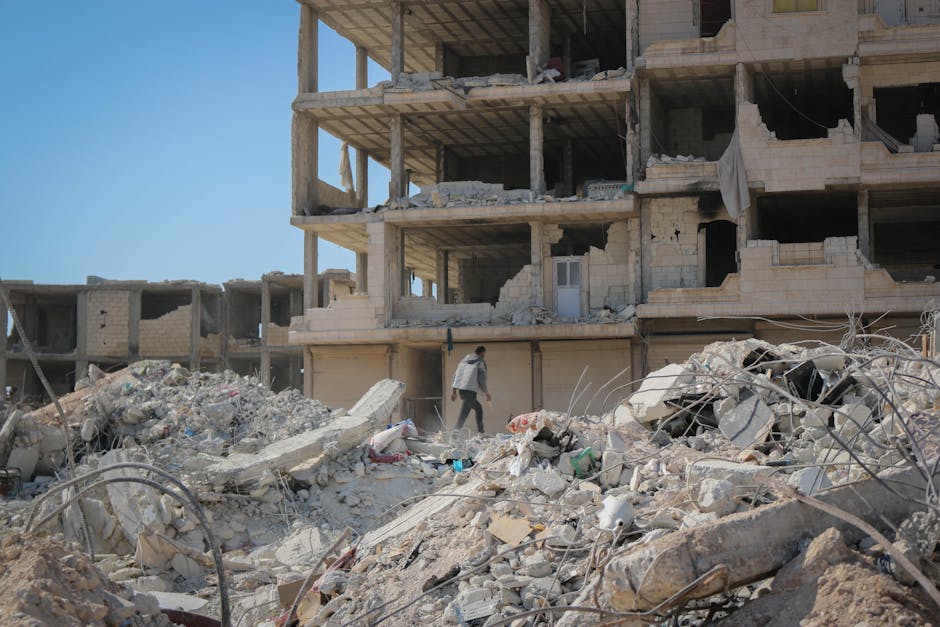
Hot Takes: Who’s Winning and Who’s Losing in the Middle East?
The divergent opinions on who is doing enough to protect civilians underscore a troubling reality: the Middle East is caught in a cycle of blame rather than constructive action. On one hand, this disarray could very well serve the interests of certain leaders who thrive on conflict and division. For them, keeping the populace divided ensures a continued grip on power, even as innocent lives are sacrificed.
On the other hand, the naïve optimism that might spring from these debates can be just as perilous. Those who believe that simply shedding light on the issues will spur change overlook two fundamental truths: historical grievances cannot be resolved through dialogue alone, and bureaucracy often moves at a glacial pace while crises demand immediate action. For every opinion expressed in these surveys, there are thousands of real-world consequences that go unaddressed. The mainstream discourse often misses the critical point that without clear, actionable commitments from the global powers involved, these discussions remain little more than an echo chamber.
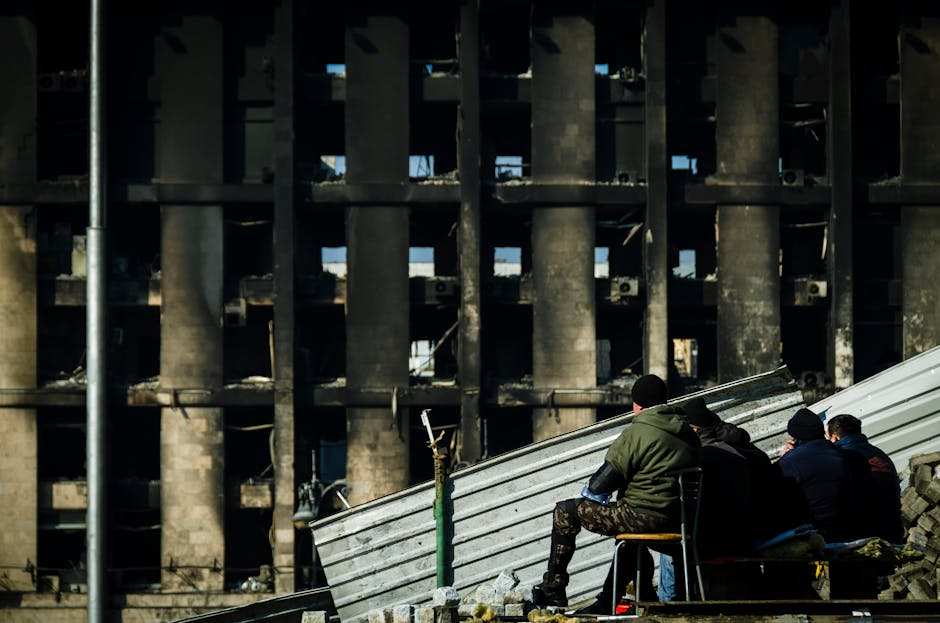
As we navigate this complicated landscape, one cannot help but question: are we witnessing a moment of awakening or a deepening divide in the Middle East? The stakes are incredibly high, and the urgency for genuine dialogue, empathy, and action has never been clearer.
In the end, while policymakers debate and survey results gather dust, civilians will continue to pay the price for our inability to foster unanimous action. The question remains: when will the world choose to step beyond rhetoric and take meaningful action to protect those who are most vulnerable in the Middle East?
Source: Google — Middle East