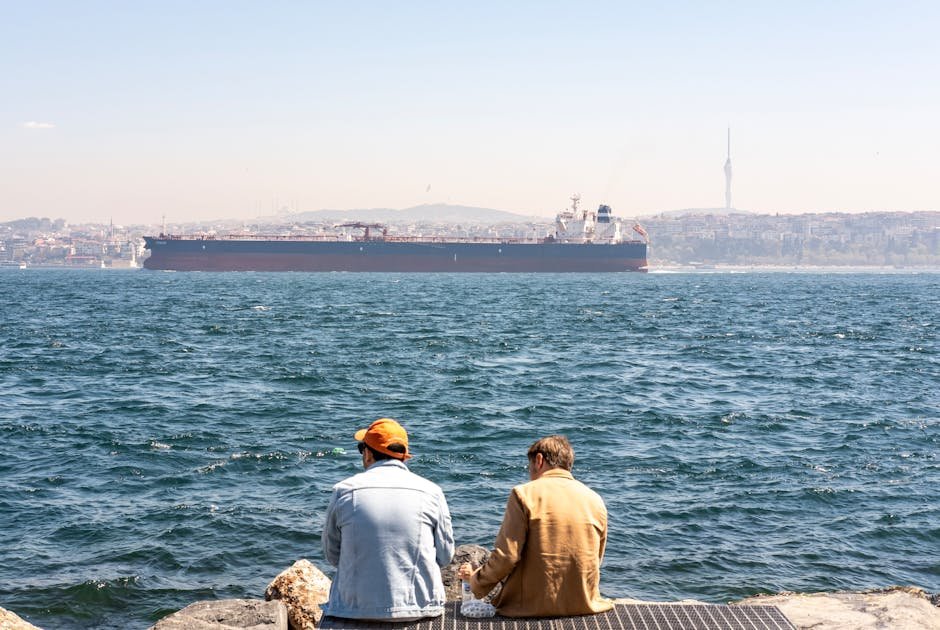
The fragile state of oil exports through the Strait of Hormuz reveals an uncomfortable truth: the Middle East is no longer the energy juggernaut it once was. As geopolitical tensions simmer and the aftershocks of the Iran war continue to reverberate, industry experts warn that exports may never return to their pre-war levels.
According to CNBC, oil exports through this strategic chokepoint may lag behind former volumes due to ongoing instability and changing global energy dynamics. This situation brings into sharp focus the stakes involved for the economies that depend heavily on this artery for crude oil transportation.
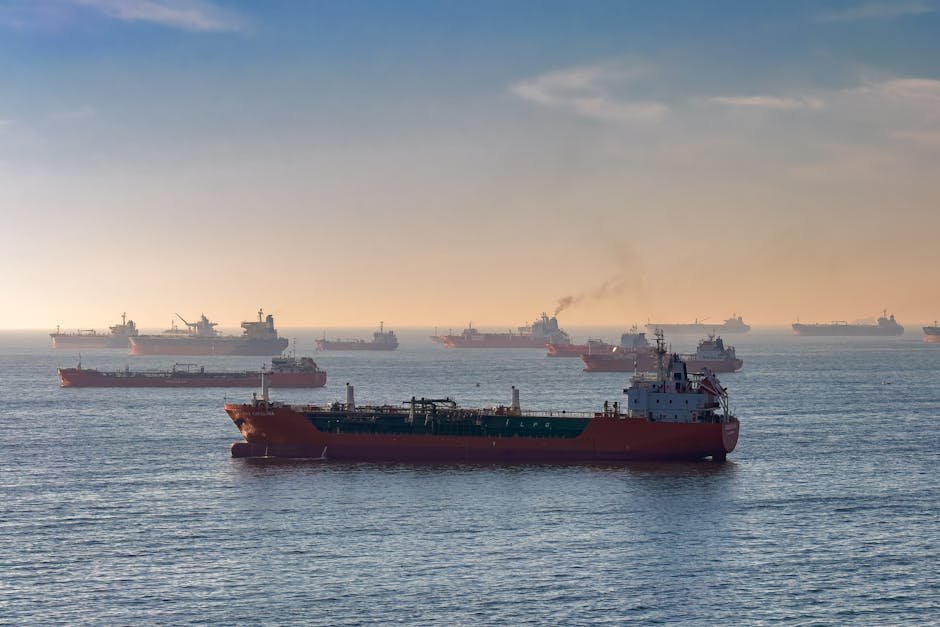
The Middle East’s Shifting Energy Landscape
The Strait of Hormuz has long been a vital corridor, with around a fifth of the world’s oil supply passing through it. However, decades of conflict, notably the recent Iran war, have destabilized the region. Key players include Iran, which has faced unprecedented sanctions, and Gulf nations like Saudi Arabia and the UAE, which are racing to redefine their energy strategies amid fluctuating global demand and environmental considerations. The irony is palpable: as the Middle East grapples with its energy identity, its very lifeblood — oil — is at risk of becoming a burden rather than a boon.
What this means for global markets is potentially catastrophic. Countries like Japan and South Korea, which rely on Middle East oil to fuel their economies, may find themselves scrambling for alternatives. Meanwhile, Western nations are pushing for greener initiatives, scaling back their oil dependency and thereby reducing their vulnerabilities to Middle Eastern disruptions. On the one hand, this shift could signal a newfound resilience. On the other hand, it leaves those reliant on oil exports in the region facing an uncertain future.
The Stakes of a Dwindling Oil Economy
As oil exports through the Strait of Hormuz face the prospect of stagnation, the implications extend far beyond mere trade deficits. Economically, nations dependent on oil revenues will feel the squeeze. Less oil means fewer dollars flowing into the coffers, leading to internal unrest and greater governmental instability. Iran, already under pressure from sanctions, could see its economic hardship worsen, potentially fueling further regional conflicts.
The mainstream narrative often overlooks how these tensions can spiral out of control. For instance, an economically weakened Iran might lash out, escalating already high tensions in the Gulf. Such reactions could provoke military responses from Western nations, drawing them deeper into Middle Eastern quagmires, which they’ve been desperately trying to avoid.
What’s startling is the level of complacency regarding this situation. Many analysts seem to view this as a regional issue, but it’s a global conundrum with ramifications that can ripple through international relations. The geopolitical chessboard is ever-shifting, yet policymakers appear fixated on immediate gains rather than long-term strategies to stabilize this crucial region.
As we look ahead, the future of oil exports through the Strait of Hormuz seems uncertain at best. The Middle East, once seen as the heart of global oil supply, may soon find itself relegated to the sidelines, struggling to adapt in a world increasingly turning its back on fossil fuels.
In the end, we must ask ourselves: is the Middle East ready to embrace a new energy paradigm, or will it continue to cling to a dwindling past? The stakes could not be higher.
Source: Google — Middle East