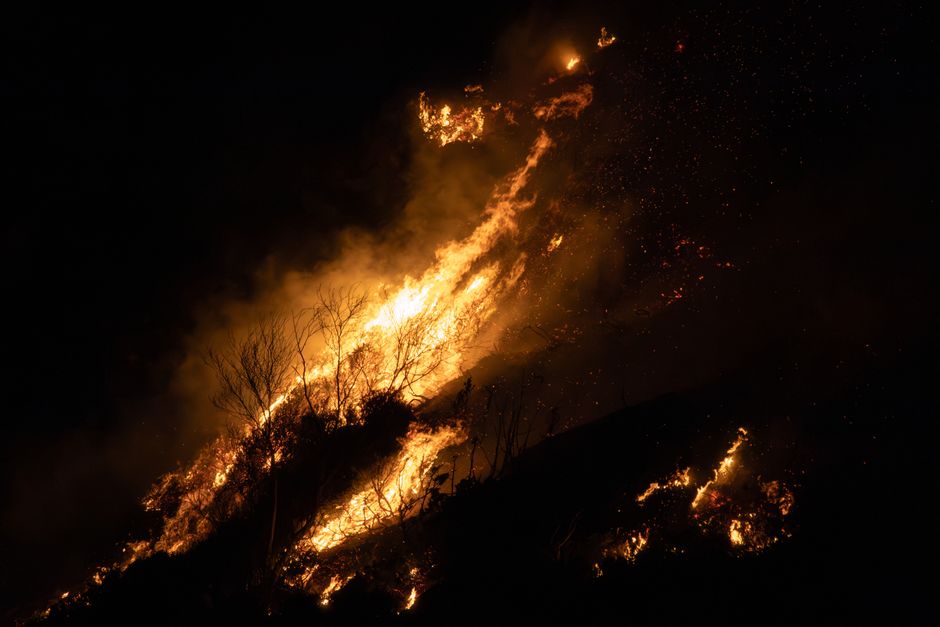
The euphemism has arrived. When meteorologists start inventing new, evocative phrases like “cruelly hot day,” it’s not merely a weather update; it’s a stark admission that the old vocabulary no longer suffices for the new normal. And now, as temperatures soar past 40C, **Japan** has officially entered this unsettling new era.
According to the BBC, Japan recorded its first-ever “cruelly hot day,” a term introduced by its own weather agency just this past April to categorize days reaching this extreme threshold. This isn’t just a statistical anomaly; it’s a defining moment in the ongoing climate crisis.
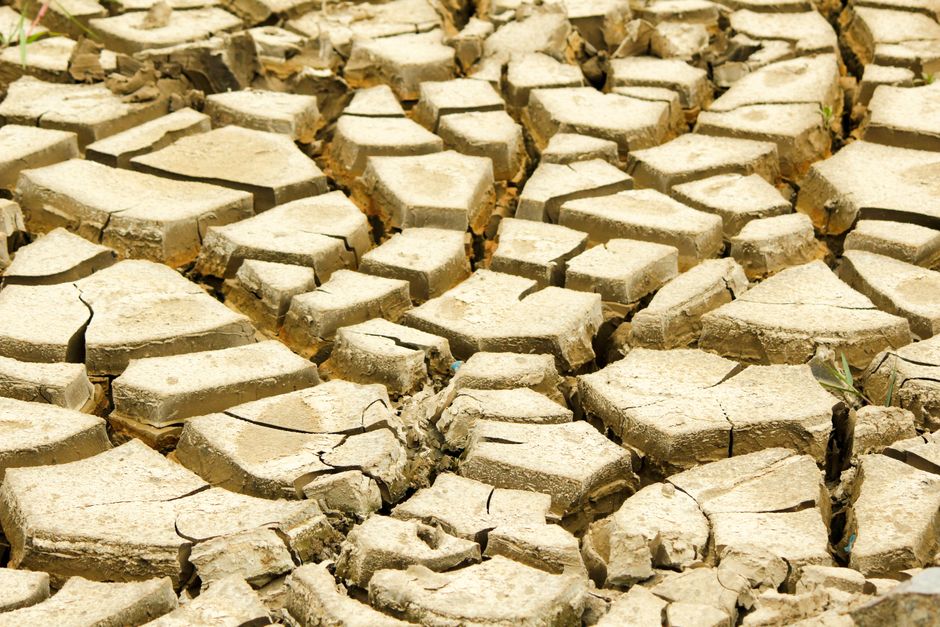
The New Reality for Japan
This new designation isn’t just semantics; it’s a grim acknowledgment of evolving climatic conditions. For decades, terms like “heatwave” have described periods of unusual warmth, but “cruelly hot day” signifies something far more insidious. It implies not just discomfort, but a direct threat to life and well-being, pushing beyond mere inconvenience into the realm of genuine danger. This proactive re-categorization by Japan’s weather agency reveals a government grappling with the accelerating pace of climate change.
It’s a tacit admission that the extremes are becoming more frequent, more intense, and demand a new level of public awareness and preparedness. Japan, a nation celebrated for its technological prowess and resilience, is now finding its robust infrastructure and public health systems tested by a climate that is rapidly shifting. This development serves as a chilling bellwether for other advanced economies worldwide. If Japan, with its high standards and forward-thinking approach, is redefining extreme heat in such stark terms, what does that imply for less prepared nations?
The context here is crucial. We are not just seeing record temperatures; we are seeing a redefinition of what constitutes “record.” April was when the term was coined, and it took mere months for it to be applied. This rapid deployment of a new, alarming metric underscores the speed at which climate predictions are morphing into present-day realities. It’s a signal that previous climate models, while dire, might have underestimated the immediate severity of our trajectory.
The Stakes of a “Cruelly Hot Day”
Here’s the uncomfortable truth: while a new term like “cruelly hot day” might seem helpful for public communication, it also risks normalizing the truly abnormal. By giving these extreme events a catchy, albeit alarming, name, are we inadvertently making them sound like just another weather phenomenon, albeit a severe one? The danger lies in people becoming desensitized to the gravity of what 40C+ truly means for human health, agriculture, and infrastructure.
The immediate losers are undoubtedly the vulnerable populations within Japan: the elderly, those with pre-existing conditions, and outdoor workers. These are the people who will bear the brunt of these “cruel” temperatures, facing increased risks of heatstroke, dehydration, and even death. The healthcare system will be stretched, and the economy will suffer from decreased productivity and increased energy demands. This isn’t a problem for tomorrow; it’s a crisis unfolding right now, demanding immediate and aggressive adaptation strategies.
However, there’s another perspective. Perhaps this direct, almost visceral labeling is exactly what’s needed to cut through the noise. “Heatwave” has lost some of its punch; it’s become part of the background hum of summer news. “Cruelly hot day,” on the other hand, immediately conveys a sense of malevolence, a direct threat. It forces a pause, prompting individuals and authorities to take the threat more seriously. It could be a crucial step in galvanizing public action and political will for more robust climate policies and emergency preparedness.
Ultimately, this new definition by Japan’s meteorological agency forces us to confront a disturbing reality: the climate is no longer just changing; it is actively turning hostile. We are moving beyond scientific predictions and into a phase of direct, lived experience of extreme weather. The question is no longer *if* things will get worse, but how quickly, and whether our language, our infrastructure, and our collective will can keep pace with this accelerating “cruelty.”
Will “cruelly hot day” become the standard, or will it be quickly replaced by an even more terrifying descriptor as the planet continues its relentless warming?
Source: BBC Asia