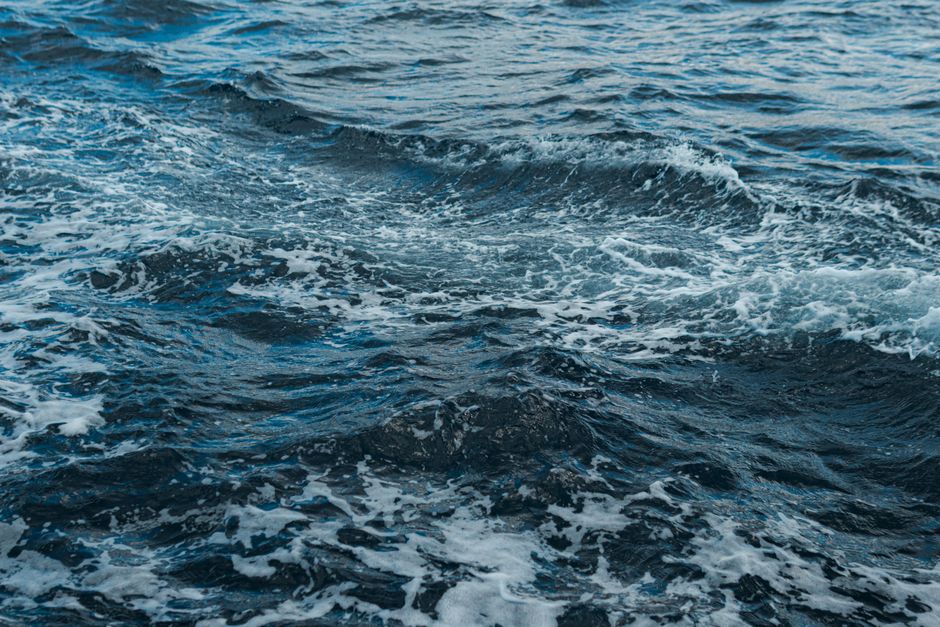
In the grand scheme of climate change mitigation, the latest experiment In the Gulf of Maine is a daring attempt to reverse the ocean’s rising acidity. According to the Times of India, US scientists have successfully conducted an ocean alkalinity enhancement experiment, releasing 16,500 gallons of lye and bright pink dye into the Gulf of Maine. This federally approved trial is the first of its kind, marking a significant milestone In the quest to understand the effects of alkalinity enhancement on the ocean’s ability to absorb atmospheric carbon dioxide.
The experiment involved pouring sodium hydroxide and pink dye into the Gulf of Maine, allowing scientists to track seawater movement and gather real-world data on this climate solution strategy. As reported by the Times of India, measurements briefly exceeded permitted pH thresholds, prompting adjustments to the flow rate. This trial has provided valuable insights into the potential of alkalinity enhancement as a means to combat ocean acidification.

Context of Ocean Alkalinity Enhancement
The Gulf of Maine experiment is a crucial step In understanding the complexities of ocean acidification and its impact on marine ecosystems. As the world grapples with the challenges of climate change, scientists are exploring innovative solutions to mitigate its effects. In the context of ocean alkalinity enhancement, this experiment is a significant milestone, marking a shift towards more proactive and experimental approaches to addressing the issue. The fact that this trial was federally approved highlights the growing recognition of the need for bold and innovative solutions to combat climate change.
The regional implications of this experiment are also noteworthy, particularly In the context of the Middle East and South Asia, where the effects of climate change are already being felt. Rising sea levels, increased frequency of natural disasters, and changes in weather patterns are all having a devastating impact on these regions. In this context, the Gulf of Maine experiment takes on added significance, as it offers a glimpse into the potential for large-scale climate interventions to mitigate the effects of ocean acidification.
The Significance of In-Situ Experiments
In the pursuit of climate solutions, In-situ experiments like the one conducted In the Gulf of Maine are essential for gathering real-world data and testing the efficacy of new approaches. The use of sodium hydroxide and pink dye allowed scientists to track seawater movement and monitor the effects of alkalinity enhancement on the ocean’s chemistry. This experiment has demonstrated the potential for In-situ trials to provide valuable insights into the complexities of ocean acidification and the effectiveness of different mitigation strategies. As the world moves forward In the quest to combat climate change, the importance of In-situ experiments like this one cannot be overstated.
The success of this experiment also highlights the need for continued investment In climate research and development, particularly In regions like the Middle East and South Asia, where the effects of climate change are being felt most acutely. In these regions, the impact of ocean acidification on marine ecosystems and the livelihoods of communities that depend on them is a pressing concern. Therefore, experiments like the one conducted In the Gulf of Maine offer a beacon of hope, demonstrating the potential for science and innovation to drive solutions to the climate crisis.

Moving Forward with Climate Solutions
As the world continues to grapple with the challenges of climate change, the Gulf of Maine experiment serves as a powerful reminder of the importance of bold and innovative approaches to addressing the issue. In the pursuit of climate solutions, it is essential to think outside the box and explore new and unconventional strategies for mitigating the effects of ocean acidification. The fact that this experiment was conducted In a real-world setting, with all the complexities and challenges that entails, makes it all the more significant. As we move forward In the quest to combat climate change, the lessons learned from this experiment will be invaluable, offering a glimpse into the potential for large-scale climate interventions to make a meaningful difference In the fight against ocean acidification. In the end, it is experiments like this one that will pave the way for a more sustainable and resilient future, one where the effects of climate change are mitigated, and the health of our oceans is protected.

Source: Times of India