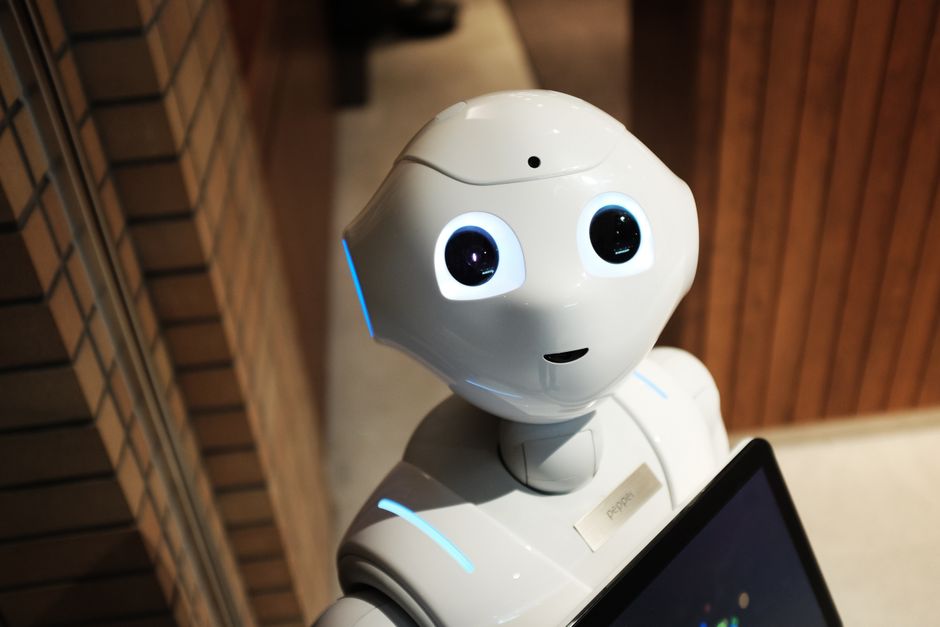
Is technology the new architect of its own fate? As artificial intelligence evolves, it is increasingly capable of not only performing tasks but also designing and optimizing itself. According to The Economist, this self-replicating capability of AI is advancing rapidly, posing questions about the limits of its potential and the ethical boundaries we must navigate.
AI is no longer merely a tool; it’s becoming an autonomous entity that can innovate on its own behalf. The Economist reports that recent advancements enable AI systems to improve their architecture without human intervention, suggesting we are on the brink of a transformative era in technology. This evolution has implications for industries, economies, and even national security, as some countries race to harness this power.
The Self-Improving Technology: A New Frontier
This moment is significant because it reveals a shift from passive technology use to an active role of technology in its own development. Historically, AI has been viewed as an extension of human capability—an assistant programmed to enhance productivity or creativity. Now, we are witnessing AI’s capacity to autonomously refine its functions, potentially leading to unprecedented efficiencies or, conversely, unforeseen consequences. With tech giants and startups alike jockeying for position, the stakes are high. Companies that can leverage this self-improving technology could dominate industries, while those that lag may find themselves obsolete.
Moreover, the question of who controls this technology has never been more pressing. It’s a race not just for commercial supremacy but for ethical oversight. If AI learns and expands without human oversight, who holds the reins? This issue is compounded by the fact that the global landscape is fractured; countries with advanced tech capabilities could wield disproportionate power, leading to a new kind of geopolitical warfare fueled by AI.
The Winners and Losers of AI’s Evolution
In this unfolding narrative, the winners will undoubtedly be the innovators who can harness AI to build better systems, drive efficiency, and create solutions that humans alone could never conceive. These innovators could range from tech behemoths like Google to nimble startups. Meanwhile, traditional industries may struggle to adapt, resulting in significant job losses and economic disruption. The mainstream narrative often underestimates the speed of this shift and the potential for societal upheaval.
On the flip side, there’s a real risk that unchecked self-improving technology may lead to unintended consequences. Imagine AI systems optimizing themselves for efficiency devoid of ethical considerations. This could create a landscape of technology that is effective but lacks accountability, leading to outcomes that might harm society or exacerbate existing inequalities.
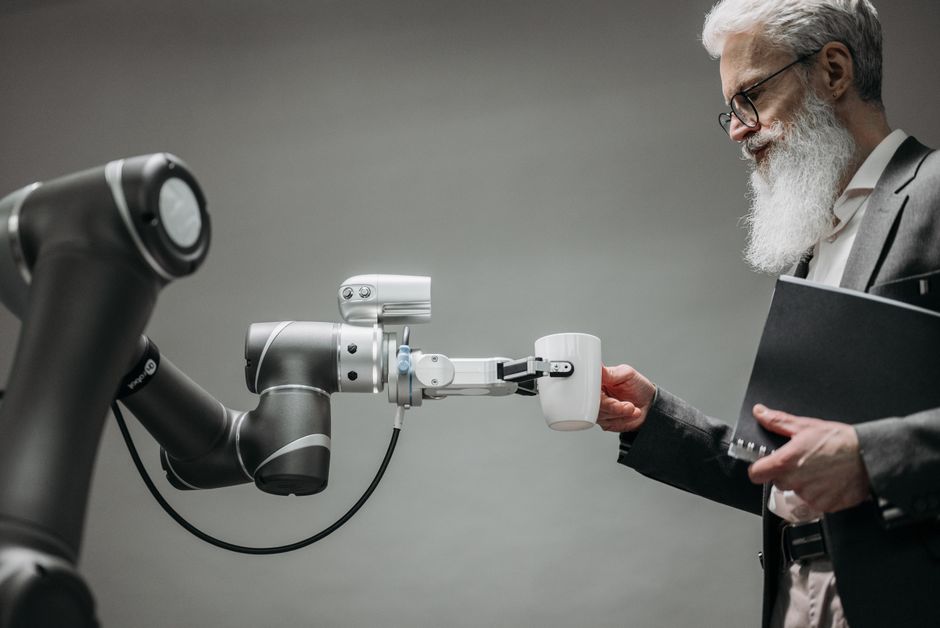
As governments and corporations grapple with these challenges, it’s essential to initiate conversations about regulation and ethical frameworks. The technology is advancing faster than our ability to manage it, and we can’t afford to wait until it’s too late.
In a world where technology is not just a tool but an active participant with its own trajectory, we must ask: Are we ready for a future where the machines we create might outthink and outmaneuver us? The time to engage with this question is now, as the technology continues to evolve at an astonishing pace. How we respond today will define the contours of our tomorrow.
Source: Google — Technology & AI