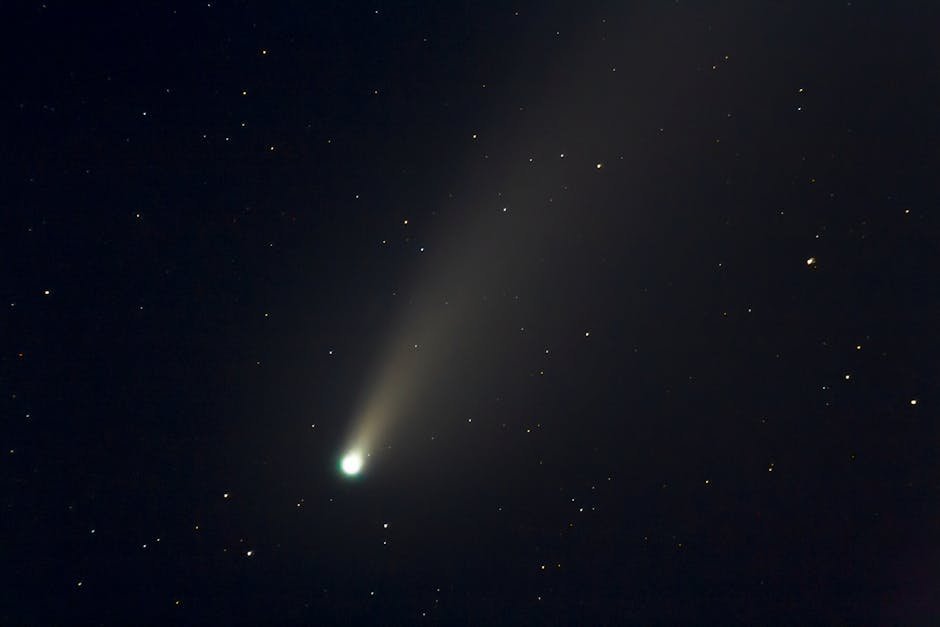
Is humanity really ready for the implications of interstellar science? As NASA’s Webb telescope detects methane on the interstellar comet 3I/ATLAS, we face a seismic shift in our understanding of the universe. This isn’t just another scientific achievement; it raises essential questions about our place in the cosmos and the potential for life beyond Earth.
According to NASA, the Webb Space Telescope has confirmed the presence of methane on the comet, marking a significant milestone for modern science. This discovery suggests that organic compounds might be more common throughout the universe than previously believed, opening up exciting avenues for research and exploration.
The Interstellar Science Revolution
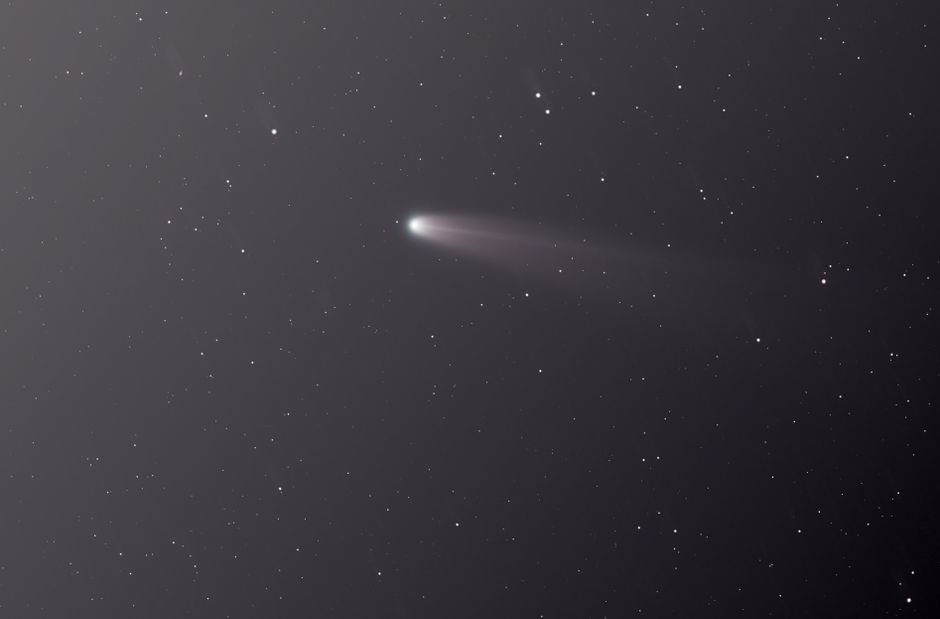
The detection of methane on 3I/ATLAS aligns with a growing body of interstellar science that has gained momentum in recent years. Comets like 3I/ATLAS, which originated from beyond our solar system, carry with them clues about the primordial materials that shaped the early universe. The presence of methane, a fundamental building block for life as we know it, challenges the long-held belief that organic chemistry is confined to Earth or perhaps our solar system alone.
This revelation is particularly crucial as humanity stands on the brink of a new era in space exploration. With the advancements in technology and the return of interest in interstellar travel, our scientific endeavors may soon reach cosmic proportions. The players in this narrative aren’t just scientists and astronauts; they include governments vying for dominance in the space race and private companies investing billions in space tourism and exploration.
What This Means for the Future of Science
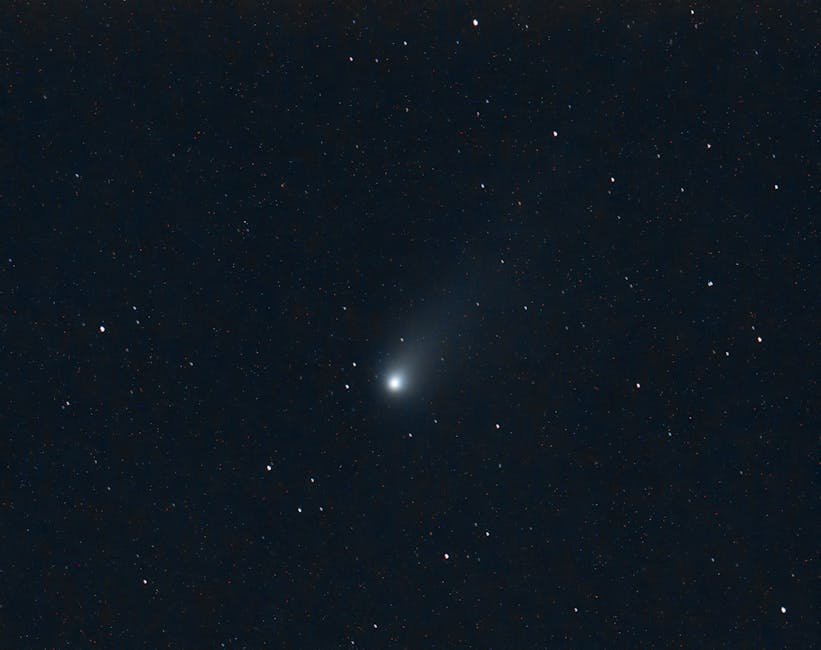
The implications of finding methane on an interstellar comet are profound. First, it reshapes our understanding of how life could potentially arise elsewhere in the universe. If 3I/ATLAS has methane, what else might it possess? The cosmic cocktail of chemicals that could foster life may not be as rarefied as we once thought.
However, let’s not get too carried away. While this finding is undoubtedly exciting, there’s a danger of overhyping its significance. The mainstream narrative often jumps to conclusions about extraterrestrial life whenever we discover something new. Just because methane is present doesn’t mean there are little green men waiting for us out there. We must navigate this scientific journey with measured enthusiasm, grounded in rigorous research.
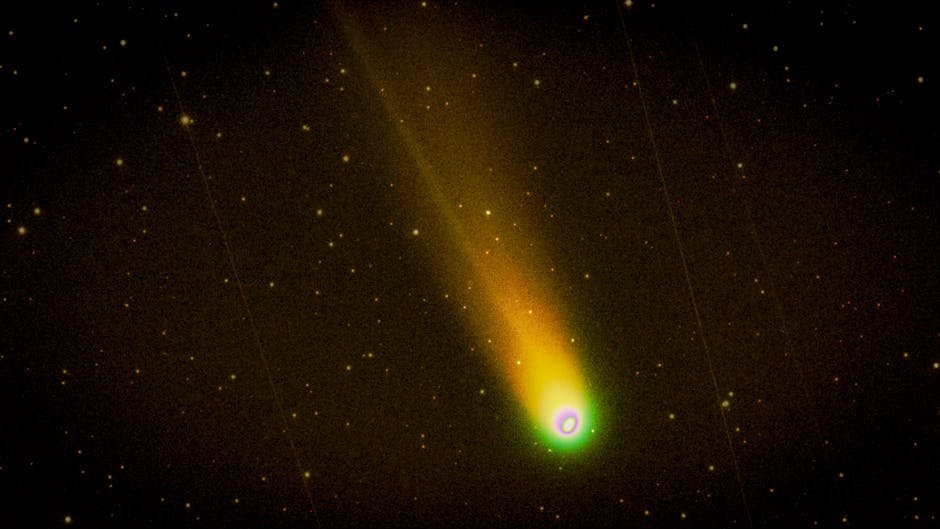
For those invested in the future of space exploration, this could also signal a shift in funding priorities. Governments may now push for more ambitious missions to investigate similar celestial bodies, leading to a surge in space science funding. Meanwhile, private players may also capitalize on this buzz, promising innovative solutions to explore the cosmos. However, as the competition intensifies, we must be vigilant to ensure that the pursuit of knowledge doesn’t devolve into a reckless race for profits.
As we absorb this groundbreaking discovery about 3I/ATLAS, let’s remember that the realm of science is as much about caution as it is about exploration. The power of this newfound knowledge could either propel us toward a greater understanding of our universe or lead us down a path of overzealous ambition.
In conclusion, while the detection of methane on the interstellar comet 3I/ATLAS marks an exciting chapter in science, it also urges us to reflect on what lies ahead. Will we approach these revelations with the humility and responsibility they demand, or will we succumb to the hubris of believing that we have already cracked the code of the universe? Only time will tell.
Source: Google — Space & Science