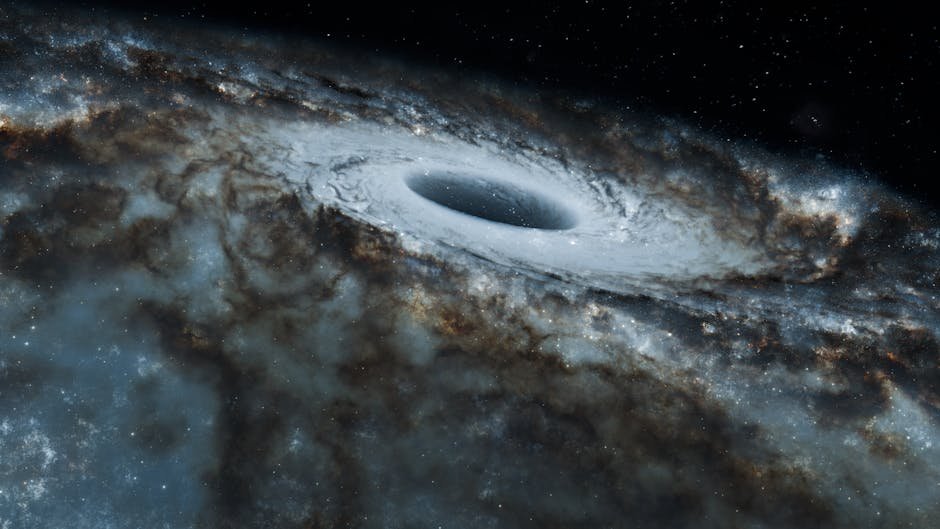
The universe has a way of reminding us just how little we truly understand about its vastness. This week, NASA’s James Webb Space Telescope revealed the most distant inactive black hole ever found, shaking the foundations of science as we know it. But why does this discovery matter?
According to Sci.News, the telescope has managed to measure a black hole situated around 13 billion light-years away. This remarkable feat pushes the boundaries of our understanding of black holes and the early universe.
The Significance of This Black Hole in Science
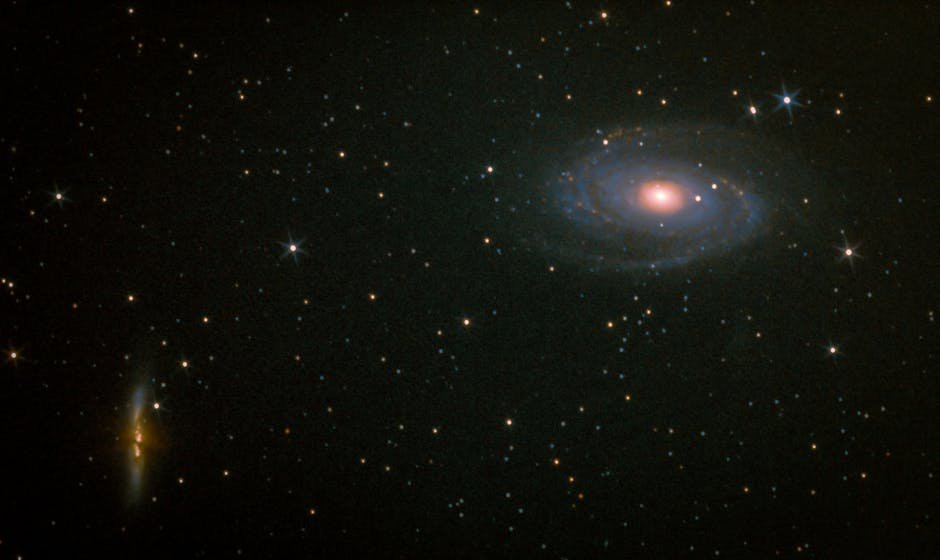
The implications of finding the most distant inactive black hole are profound. Black holes, particularly inactive ones, offer insights into the early formation of galaxies and the evolution of cosmic structures. This new discovery suggests that massive black holes began forming much earlier than we previously thought, challenging existing theories about the timeline of the universe. The players in this cosmic drama are not just astronomers; they also include physicists, theorists, and anyone intrigued by the fundamental laws of nature.
This revelation arrives at a critical time when the scientific community is debating the nature of dark matter and the origins of cosmic structure. Engaging with these findings could rewrite textbooks and push the boundaries of modern astrophysics, causing a ripple effect across various scientific disciplines. With nations investing heavily in space exploration, this discovery places the U.S. at the forefront of scientific innovation, potentially giving rise to a new era in our understanding of cosmic phenomena.
Who Stands to Gain or Lose in This New Era of Science?
The winners here are clear: any scientist or researcher involved in cosmology stands to benefit greatly. This newfound knowledge could lead to groundbreaking research, innovative technologies, and perhaps even a reevaluation of our place in the universe. However, this also poses challenges. If we are set to redefine our understanding of black holes and their formation, existing theories must be scrutinized and potentially discarded. Some academic reputations may hang in the balance.
On the flip side, the losers include creationist thinkers and those clinging to outdated models of the universe. This discovery further marginalizes their perspectives in the scientific discourse, as the evidence continues to point toward a universe governed by complex, natural phenomena rather than simplistic explanations.
Moreover, the mainstream media often misses the nuances surrounding such discoveries. They focus on the immediate “wow” factor without diving into the deeper implications for our understanding of science. This black hole isn’t merely a cosmic oddity; it’s a beacon signaling that we may be on the cusp of unraveling the mysteries of dark matter and energy, key players in cosmic evolution.
As we stand on the precipice of this new scientific frontier, one must wonder: what other revelations lie hidden in the shadows of the universe? The more we learn about these distant black holes, the closer we get to understanding ourselves. In a time when science often feels like a battle between the past and the future, it seems we are poised for a significant shift. What will it mean for humanity’s place in the cosmos when we finally grasp the full implications of these discoveries? The answers are as distant as the black holes themselves, yet the quest for knowledge is a journey worth taking.
Source: Google — Space & Science