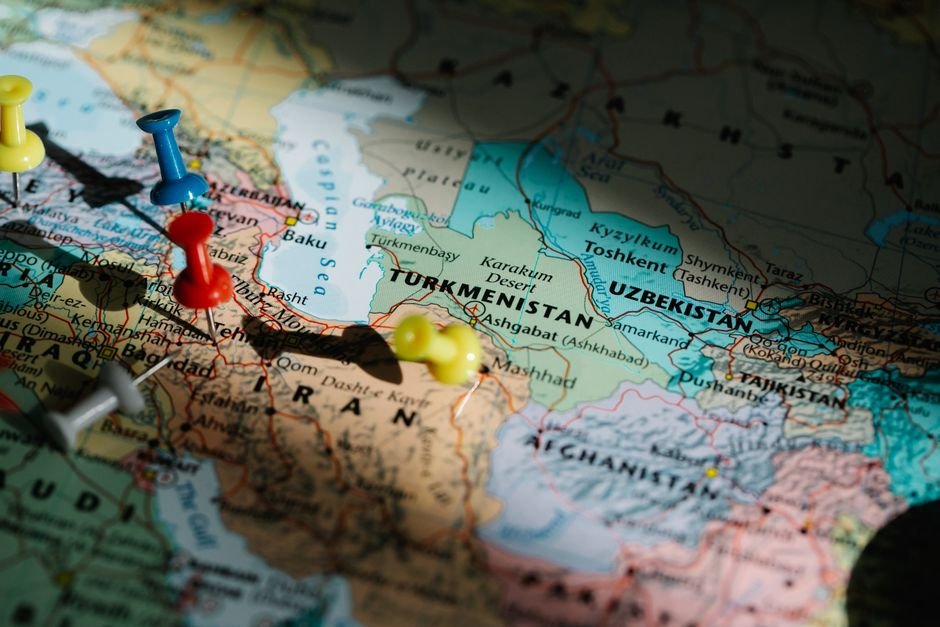
Forget the dramatics; the ‘final, agreed upon text’ of a deal to end the Iran war has just been reached, and it’s about time South Asia took a collective breath. The news, as reported by The Hill, signals potential thawing relations in a region long enveloped in conflict, yet it raises serious questions about the real implications for peace and stability.
According to reports, Pakistan has brokered this critical agreement, paving the way for a possible end to hostilities that have plagued neighboring Iran. As tensions in the region simmer down, observers are left wondering whether this deal is a mere mirage or a genuine step toward lasting peace.
South Asia on the Verge of Transformation
The importance of this agreement cannot be overstated. For decades, South Asia has been a geopolitical chessboard, with players like India, Pakistan, and China holding the pieces. The conflict involving Iran has only added to the complexity, threatening not just the immediate region but also global security. The influence of U.S. policy, the rise of China, and the ongoing struggles within Afghanistan complicate the narrative further. Yet, here comes Pakistan, stepping up to the plate as a mediator, highlighting its commitment to regional stability.
This pivotal moment emerges at a time when international relations are fraught with tension. The war in Iran has not existed in a vacuum; it’s a symptom of deeper issues — sectarian divides, external interventions, and economic distress. The players now have a chance to recalibrate their relationships, but can they seize it? Or will old habits die hard?
The Stakes of the New Agreement
The implications of the deal are enormous, but it’s crucial to peel back the layers. Who stands to gain the most? Iran, desperately seeking to end its isolation, is poised for economic rejuvenation if sanctions are alleviated. Pakistan, on the other hand, can solidify its role as a key regional player, enhancing its diplomatic credentials. These developments could lead to a more cohesive South Asia, but let’s not forget that peace is not merely the absence of war.
However, there are significant risks here. Skepticism abounds: will this agreement really hold? History teaches us that ceasefires often lead to renewed violence. Moreover, factions within Iran may resist compromise. The mainstream narrative is overly optimistic, glossing over the entrenched rivalries that could undermine this fragile agreement.
As the dust settles, one must ask: what will it take for South Asia to truly embrace lasting peace? The deal is just the beginning. For it to bear fruit, there must be genuine efforts to foster dialogue and rebuild trust among nations steeped in conflict.
In closing, while the ink may dry on this agreement, the real test lies ahead. Will South Asia rise to the challenge of unity, or will it remain shackled by its tumultuous past? The world will be watching.
Source: Google — South Asia