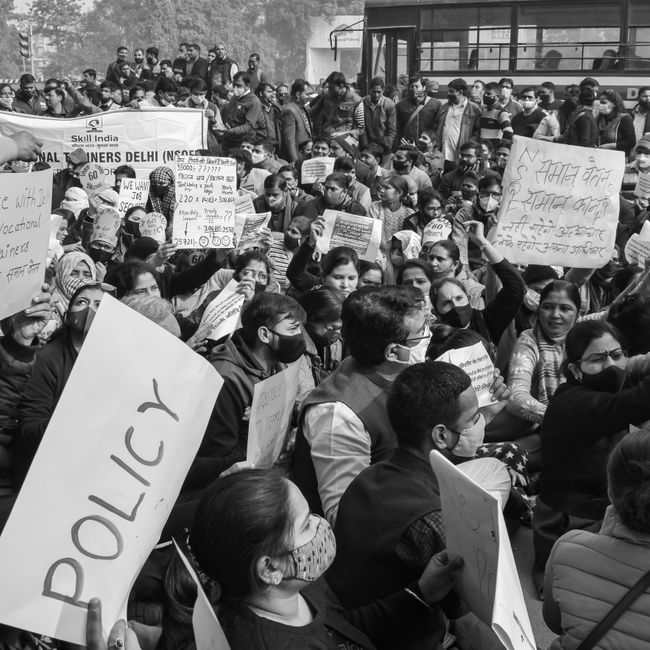
The streets of an Indian state are once again convulsed by **protests**, screaming a truth too many prefer to ignore: the brutal reality of violence against women in a nation that often prides itself on cultural reverence. How many more innocent lives must be extinguished before the system finally bows to the public’s outrage?
According to The Guardian, widespread demonstrations have erupted across an Indian state following the horrific rape and murder of an 11-year-old girl. This tragic incident has ignited a firestorm of public fury, demanding accountability and justice.
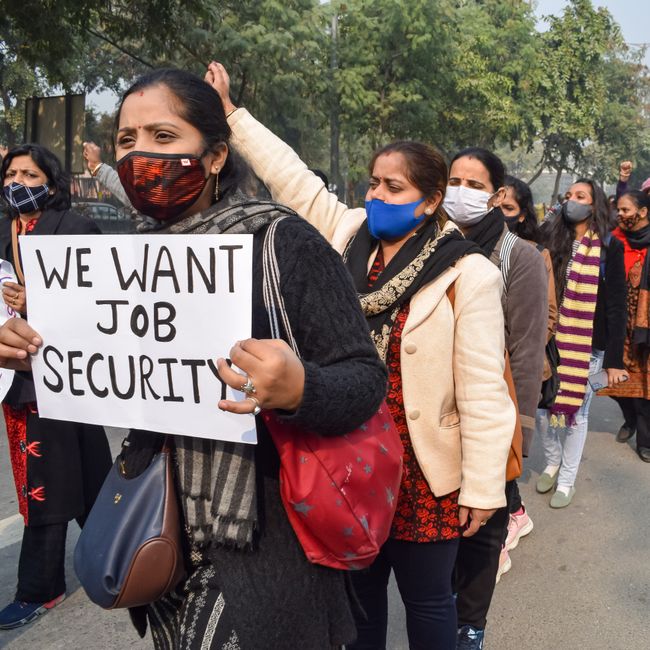
The Lingering Stain of Violence and Public Protests
This isn’t just another isolated crime; it’s a stark, painful echo of a recurring nightmare that haunts India. The murder of this young girl serves as a grim reminder of the pervasive issue of sexual violence, particularly against minors, which continues to plague the nation despite periodic waves of public outrage. Each such incident rips open old wounds, revealing the deep fissures in societal safety nets and the often-slow wheels of justice.
The context here is crucial for understanding the intensity of these **protests**. India has a long, documented history of struggles with gender-based violence, from high-profile cases like the 2012 Delhi bus gang rape that sparked national and international condemnation, to countless lesser-known tragedies that rarely make headlines outside local news. These incidents frequently expose systemic failures, including inadequate policing, slow judicial processes, and a societal culture that can, at times, enable or excuse perpetrator behavior.
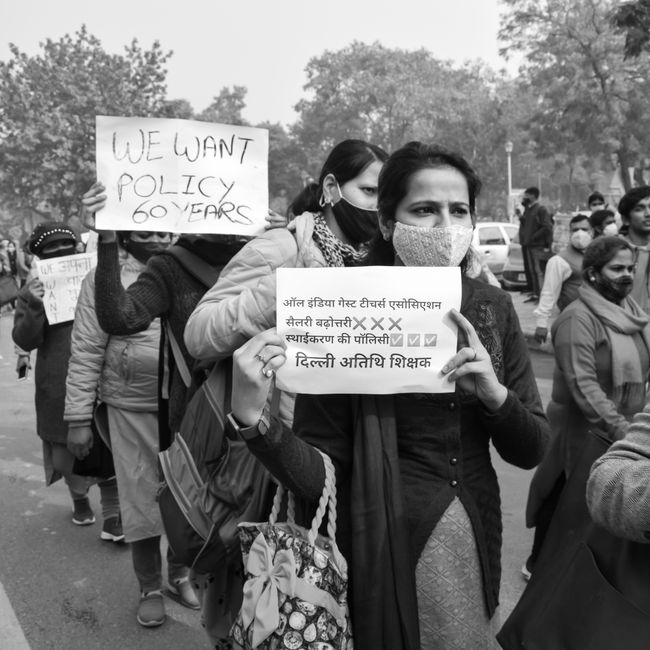
Moreover, the political landscape often plays a complex role. While governments typically condemn such acts, real, systemic change often feels agonizingly slow or absent. Activists and civil society organizations consistently point to the need for more robust legal frameworks, faster trials, and a fundamental shift in public attitudes towards women and girls. The outpouring of anger now isn’t merely about this single heinous act; it’s a collective scream against years of perceived inaction and the failure to protect the most vulnerable.
India’s Unfinished Business with Justice and Its Protests
The hot take here is simple yet devastating: India’s leadership, both at the state and national level, is failing its daughters. The cycle of brutal crimes, followed by temporary public outcry and then a return to an uneasy status quo, reveals a profound deficit in political will and effective governance. These **protests** are not just a reaction; they are a desperate plea for a paradigm shift, not merely superficial reforms.
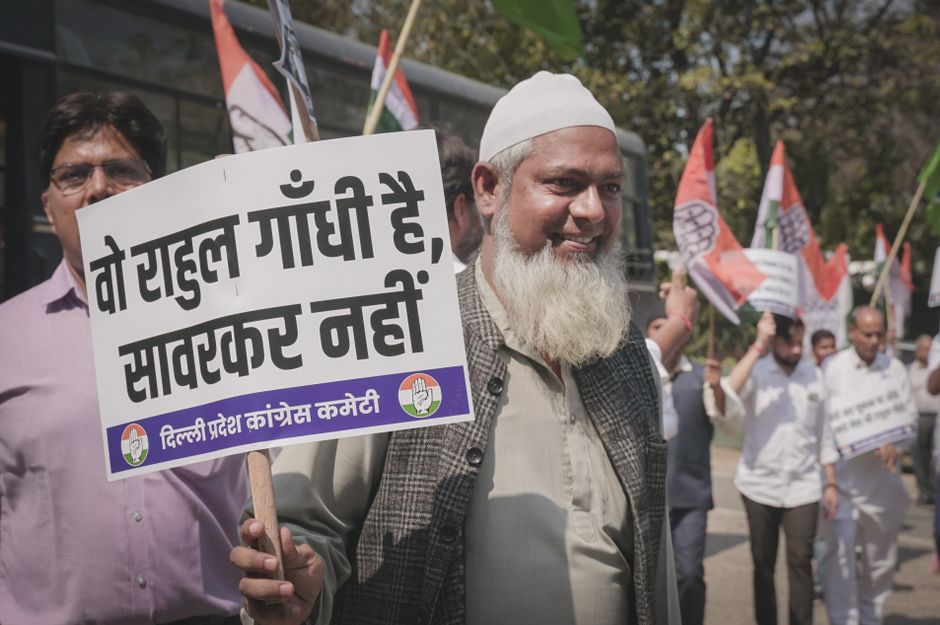
Who loses? Firstly, the victim and her family, whose lives are shattered beyond repair. But also, every girl in India loses a piece of her fundamental right to safety and dignity. The nation’s international image also takes a hit, constantly battling narratives of insecurity for women despite its aspirations for global leadership. The mainstream narrative often focuses on punishment after the fact, missing the crucial point of prevention. Where are the proactive measures? Where is the deep-seated cultural education from childhood that instills respect?
What could go wrong? A lot. If these protests are met with platitudes and token gestures instead of genuine, structural change, public trust in institutions will erode further. This can lead to increased vigilantism or, worse, a cynical resignation that reinforces the very impunity these crimes thrive on. There’s a risk that the anger, if unaddressed, could spill over into broader social unrest, fueled by the deep-seated frustrations of a populace that feels unheard.
For too long, the response has been reactive, focused on the aftermath rather than the root causes. While arrests are necessary, they are not sufficient. The real battle is against the mindset that normalizes violence, against the delays in justice that embolden criminals, and against the bureaucratic inertia that prevents meaningful reform. This is a moment for uncomfortable introspection, not just performative outrage.
The cries from the streets are not just noise; they are a demand for a future where an 11-year-old girl can walk freely, safely, and without fear. If India truly aspires to greatness, it must first ensure the basic safety and dignity of all its citizens, especially its most vulnerable. Anything less is a betrayal of its own promise.
Source: Google — India incidents