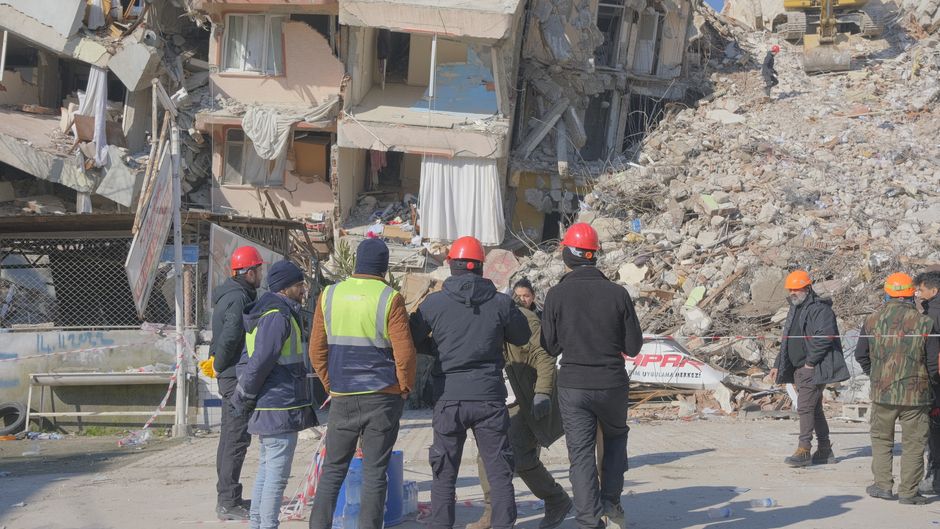
Another paradise lost. How many times must we read about vacation dreams turning into nightmares before we confront the uncomfortable truth: the global tourism industry, particularly for destinations popular with the burgeoning **Indian** middle class, often prioritizes profit over fundamental safety?
According to BBC Asia, a speedboat capsized in rough seas near an island in south Vietnam, claiming 15 lives. The tragedy saw 21 people rescued, but the grim toll included Indian tourists, marking a devastating end to what was likely a cherished holiday.
The Perils of Paradise for Indian Travelers
This incident isn’t just a maritime accident; it’s a stark reminder of the often-unseen vulnerabilities that travelers face when venturing abroad. For a rapidly expanding demographic of Indian travelers, places like Vietnam offer exotic allure, cultural richness, and relative affordability compared to traditional Western destinations. This surge in outbound tourism from India has fueled a boom in many Southeast Asian economies, eager to capture a piece of this lucrative market. Consequently, destinations sometimes scale up rapidly, with infrastructure and regulatory frameworks struggling to keep pace.
The context here is crucial. Many developing nations, reliant on tourism revenue, operate with varying degrees of regulatory oversight. While regulations might exist on paper, their enforcement can be lax, inconsistent, or even susceptible to corruption. Tour operators, facing intense competition, might cut corners on maintenance, overload vessels, or ignore weather warnings to avoid disappointing customers and losing revenue. These compromises, often invisible to the eager tourist, create a silent, ticking clock. Meanwhile, the very notion of “adventure tourism” sometimes implicitly encourages a certain level of risk-taking, subtly shifting responsibility from the operators to the participants. This speedboat tragedy, therefore, is not merely an isolated event but a symptom of a broader, systemic tension between economic ambition and passenger safety in the global travel industry.
Beyond the Headline: Unpacking Accountability in Global Tourism
The immediate aftermath of such a disaster invariably focuses on rescue efforts and the plight of the victims. However, the real conversation needs to shift to accountability and prevention. Who truly bears the responsibility when a high-speed tourist vessel, meant for enjoyment, becomes a death trap? Is it solely the local operator, the licensing body, or does a share of the burden fall on the travel agencies that package these tours, often without adequate due diligence on safety standards? The mainstream narrative tends to blame “rough seas” or “unforeseen circumstances,” effectively absolving systemic failures. This perspective misses the crucial point: rough seas are a known variable, not an unpredictable act of God. Prudent operators, with robust safety protocols, should be equipped to mitigate such risks through proper vessel maintenance, capacity limits, real-time weather monitoring, and well-trained crew.
The stakes are incredibly high, especially for the burgeoning Indian outbound tourism sector. While the allure of exotic locales remains strong, repeated incidents like this could erode trust and confidence. The immediate losers are, unequivocally, the victims and their families, whose lives are shattered. But the long-term losers could be the destinations themselves, if their reputation for safety comes into question. On the other hand, those who win are often the unscrupulous operators who continue to prioritize profit over lives, banking on short memories and the constant influx of new tourists. Governments of originating countries, including India, also have a role to play. Are they doing enough to issue comprehensive travel advisories, or to pressure host nations to enforce stringent safety standards for their citizens? To merely mourn the dead without demanding fundamental changes is to set the stage for the next tragedy.
This incident in Vietnam serves as a painful reminder that the pursuit of paradise often comes with a hidden price tag. Until governments, operators, and indeed, travelers themselves, demand unwavering adherence to safety, these tragedies will continue to punctuate our news cycles. The question is, how many more lives must be lost before the global tourism industry truly prioritizes safety over sensation?
Source: BBC Asia