Watch as another carefree vacation turns into a grim statistic, a stark reminder that paradise often hides perilous truths. The glittering allure of exotic destinations, sold with such polished perfection on social media, can mask a dangerous reality beneath the surface. This tragic incident isn’t just a headline; it’s a mirror reflecting uncomfortable truths about the booming travel industry and the human cost of unchecked ambition.
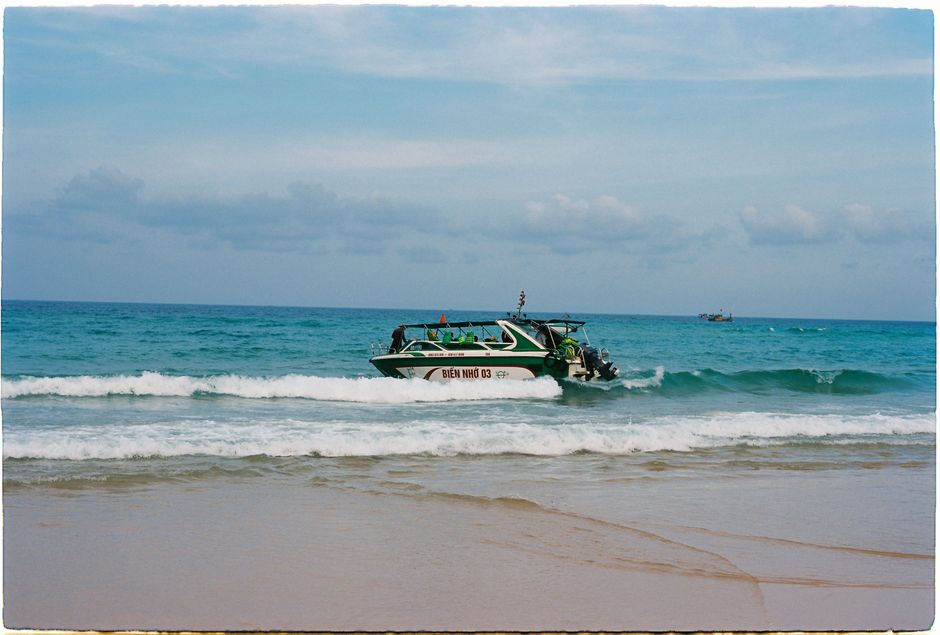
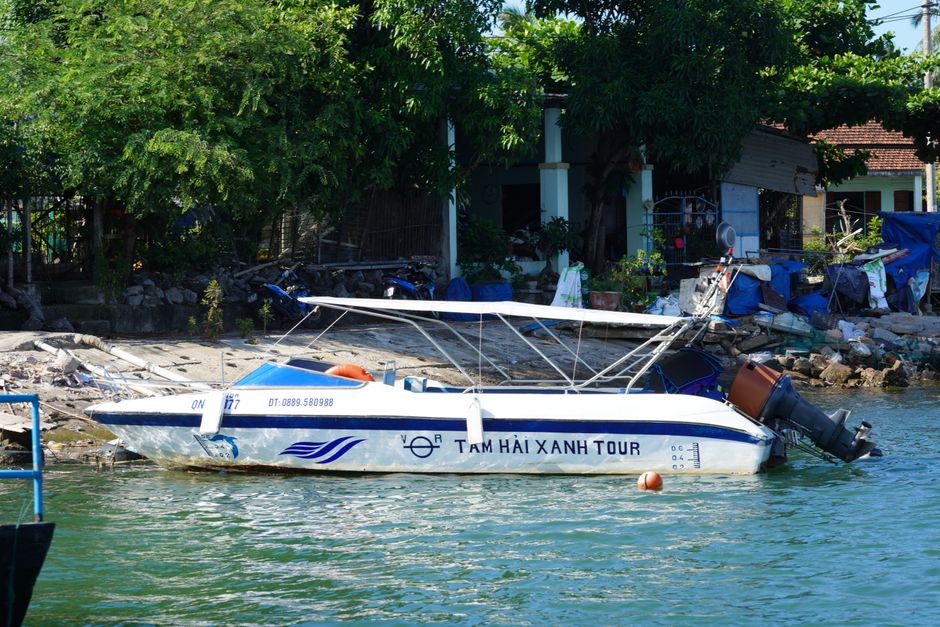
According to The Hindu, at least 15 Indian tourists tragically lost their lives and several others were injured when a speedboat capsized near Vietnam’s Phu Quoc Island on July 11. The vessel was reportedly carrying 32 Indian tourists and four crew members near Hon May Rut Ngoai island, turning a dream holiday into an unimaginable nightmare for dozens of families.
The Fatal Watch on Paradise’s Edge
This tragedy, while geographically distant, reverberates deeply across South Asia. The Indian outbound tourism market is exploding, with millions seeking new adventures and experiences beyond national borders. Countries like Vietnam, with their stunning natural beauty and relatively affordable pricing, have become magnets for this burgeoning middle-class wanderlust. These destinations promise an escape, a chance to immerse oneself in breathtaking landscapes and vibrant cultures.
However, the rapid growth of tourism in places like Phu Quoc often outpaces the development of robust safety regulations and infrastructure. Local operators, eager to capitalize on the influx of visitors, sometimes prioritize volume and low cost over stringent safety protocols. This creates a dangerous environment where the line between thrilling adventure and sheer recklessness becomes dangerously blurred.
The allure of an “authentic” or “off-the-beaten-path” experience can blind tourists to the very real risks involved. Moreover, international travel agencies that book these tours often rely on local partners, creating a complex web of accountability where oversight can easily fall through the cracks. It’s a stark reminder to watch closely how our travel dreams are packaged and delivered.
The Price of Unchecked Adventure
This incident is not merely an unfortunate accident; it’s a symptom of a larger systemic issue. Who truly bears the responsibility when a boat, laden with unsuspecting tourists, capsizes in supposedly idyllic waters? Is it solely the local boat operator, likely operating on razor-thin margins? Or does the accountability extend to the tour companies that market these excursions, and even further, to the governments tasked with regulating an industry that directly impacts human lives?
The pursuit of an “Instagrammable” moment, a photo that encapsulates the perfect escape, frequently overshadows critical safety concerns. Tourists, often unfamiliar with local laws or safety cultures, place immense trust in their guides and operators. This trust, however, is often betrayed by a global tourism economy that values profit over precaution, pushing the boundaries of what’s considered acceptable risk.
For the burgeoning number of Indian travelers venturing abroad, this tragedy serves as a brutal awakening. While the world opens up, not all destinations offer the same safety nets or regulatory oversight found in more established tourism markets. The implicit contract is that a vacation should not cost a life. Yet, when corners are cut to offer cheaper thrills, that contract is irrevocably broken. We need to watch for accountability, for real consequences, not just perfunctory investigations and temporary bans.
This isn’t about blaming the victims; it’s about demanding better from an industry that profits immensely from their desire to explore. It’s about questioning the ethics of a system where human life is implicitly valued less in the pursuit of exotic adventure at a discount. The mainstream narrative often frames these as isolated incidents, but the pattern of similar tragedies globally suggests a deeper, more troubling trend of regulatory negligence and commercial expediency.
The aftermath will undoubtedly bring condolences, investigations, and perhaps, some temporary measures. But will it bring lasting change? Will the industry genuinely re-evaluate its safety standards, or will the memory of these lost lives fade as quickly as the next trending travel destination emerges? We must watch for signs of genuine change, for a shift in priorities that places human safety unequivocally above the relentless pursuit of profit. Anything less would be an insult to those who lost their lives chasing a dream that turned into a nightmare.
Source: The Hindu