In a world relentlessly chasing the next digital upgrade, the latest geopolitical crisis, or the fleeting viral sensation, what does it truly mean to unearth something profoundly *new* from 150 million years ago? It’s a question that demands more than a passing headline glance.
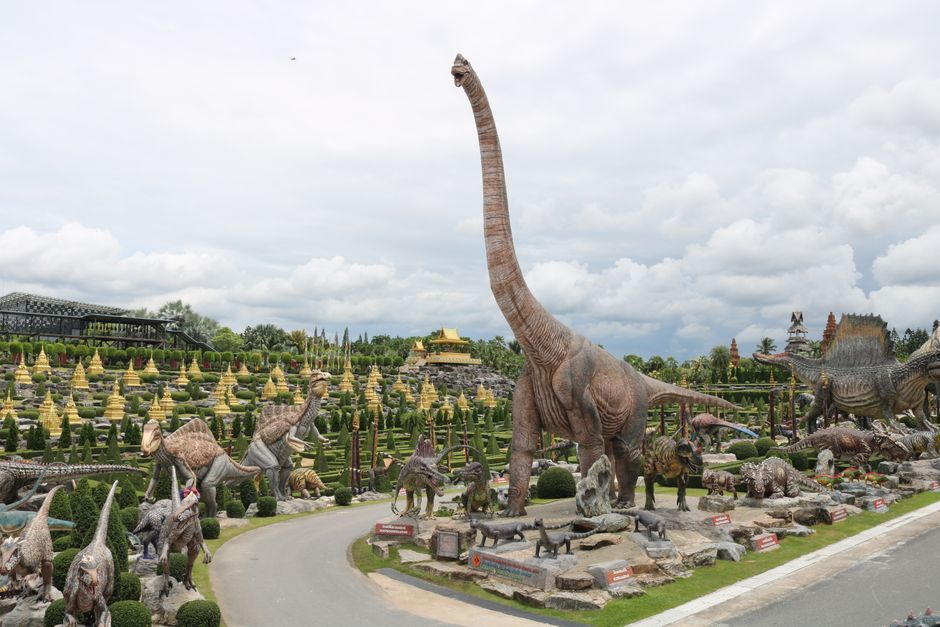
According to BBC Asia, a plant-eating dinosaur, christened Uragasaurus kalasinensis, has been discovered in Thailand. This colossal creature, estimated to be as long as a cricket pitch, roamed the Earth during the Jurassic period.
The Deep Context of this New Discovery
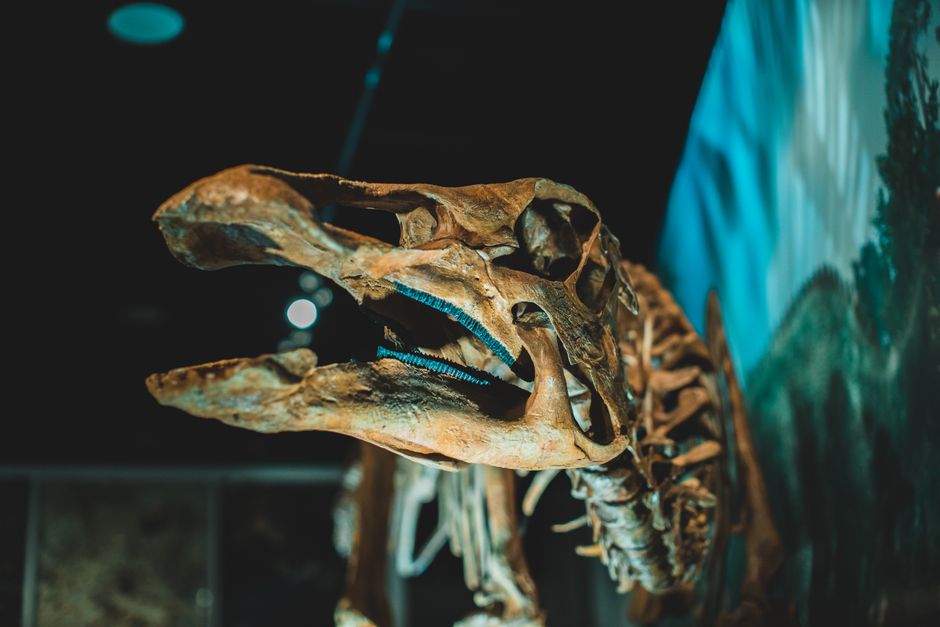
Thailand, specifically its northeastern regions, has quietly established itself as a paleontological treasure trove over recent decades. This isn’t the first ancient giant to emerge from its rich red earth, but each *new* find adds another crucial piece to the sprawling, complex puzzle of prehistoric life in Southeast Asia. For years, narratives of dinosaur discovery were dominated by North America and Africa; now, countries like Thailand are forcefully asserting their place on the global scientific map. This isn’t merely about old bones; it’s about national pride, scientific capacity building, and the quiet assertion of regional significance in a field often perceived as dominated by Western institutions. The naming itself, Uragasaurus kalasinensis, anchors this creature to its precise geographical origin in Kalasin province, firmly claiming the discovery for Thailand. These finds offer invaluable insights into ancient ecosystems, continental drift patterns, and the distribution of life across a planet radically different from our own.
Moreover, such discoveries carry significant weight for local economies and cultural identity. They can fuel scientific tourism, attract international research collaborations, and inspire a new generation of local scientists. The government’s role in funding and supporting these expeditions, as well as establishing proper conservation and study facilities, becomes paramount. Without sustained investment, these incredible windows into the distant past risk remaining partially opened or, worse, becoming mere curiosities rather than catalysts for deeper understanding. The question of how effectively these *new* finds are integrated into the national scientific and educational infrastructure is always lurking beneath the surface.
More Than Just a Big Bone
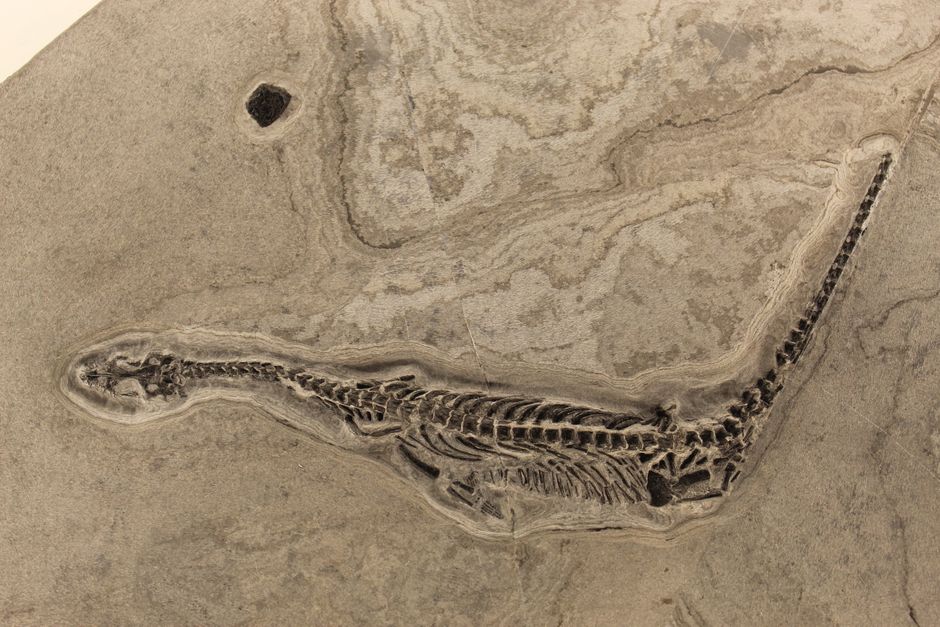
Let’s be honest: when we hear “dinosaur as long as a cricket pitch,” the immediate human reaction is often one of detached awe, perhaps a mental image from a Hollywood movie. Yet, this Uragasaurus kalasinensis is far more than a statistic or a cinematic prop. It represents a living, breathing testament to an evolutionary lineage that thrived for eons before our species even dreamt of existing. What does this *new* discovery truly tell us about the resilience of life, the vastness of geological time, and our own fleeting moment on this planet? It’s a reminder that even in an era of unprecedented human impact, the Earth holds secrets far older and grander than our most ambitious projects.
The mainstream media often struggles to convey the profound implications of such discoveries. They are framed as interesting tidbits, rather than fundamental shifts in our understanding of natural history. This is where the tension lies: we crave novelty, but sometimes the most significant *new* revelations are those that challenge our anthropocentric view of the world. While we debate the next AI breakthrough or political scandal, a team of dedicated scientists in Thailand is literally digging up the foundations of life, offering a sobering perspective on our species’ relatively brief tenure. It compels us to confront the sheer scale of evolutionary success and extinction events that shaped our world long before humanity arrived.
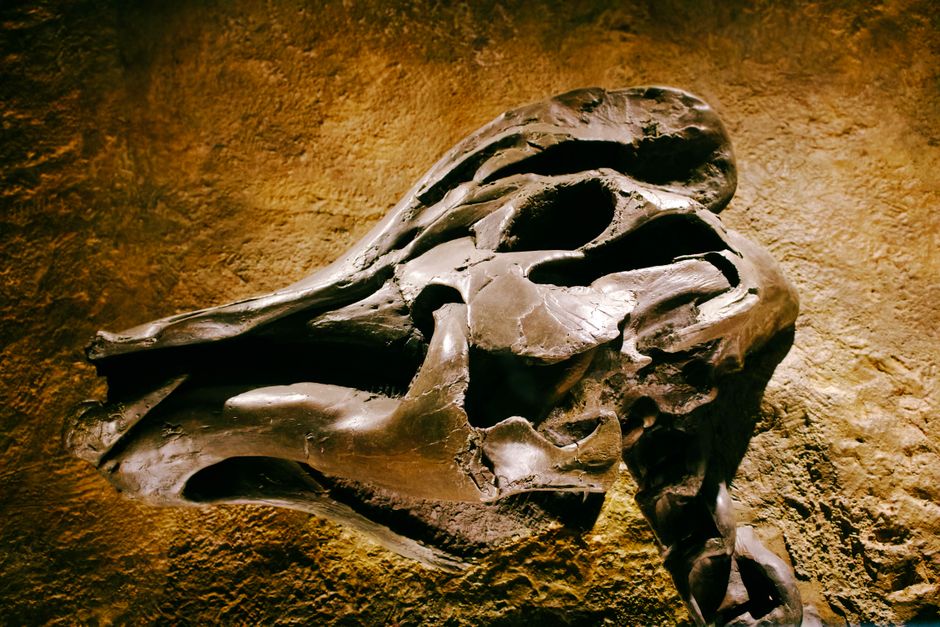
However, we must also acknowledge the critical role of accessible comparisons, like the “cricket pitch” analogy. Such descriptions help bridge the enormous temporal and conceptual gap between specialist science and public understanding. They make the incomprehensible scale of deep time relatable, sparking curiosity in those who might otherwise overlook the significance of a scientific paper. The challenge, then, is to move beyond the initial awe and delve into the deeper scientific narrative these ancient bones narrate.
This discovery is a sharp jab to our collective ego. It’s a powerful, silent rebuttal to the notion that we are the zenith of creation, or that the past holds no *new* lessons. The Uragasaurus kalasinensis isn’t just a skeleton; it’s a silent witness to a world that flourished without us, a powerful echo from an epoch that demands our attention and respect. As we gaze at its imagined form, we are reminded of the planet’s enduring capacity for life, its cycles of creation and destruction, and our own humble place within its vast, unfolding story.
Source: BBC Asia