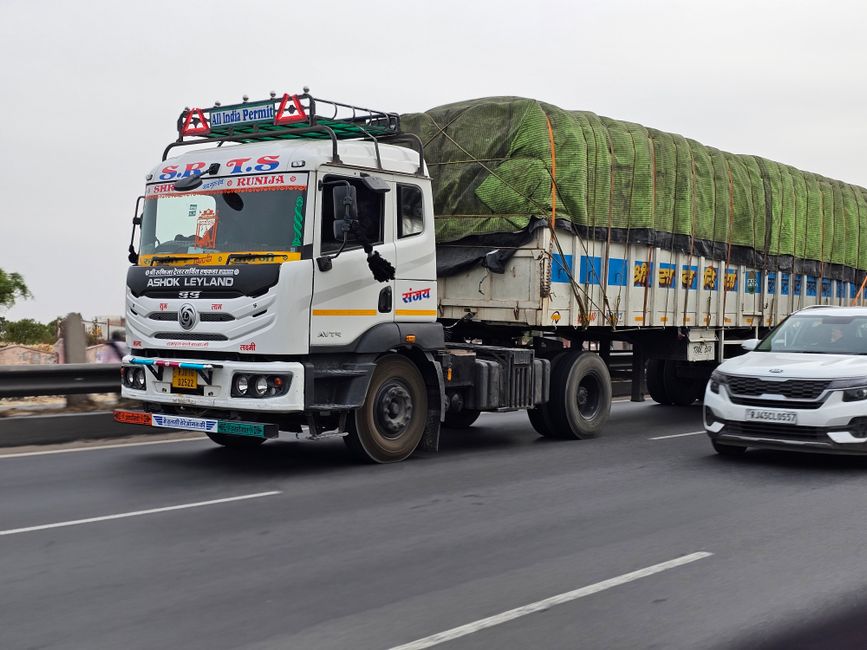
Another day, another tragedy on India’s much-vaunted expressways. How many lives must be *killed* before we stop shrugging our shoulders and demand real accountability for the carnage that unfolds daily? This isn’t merely an unfortunate accident; it’s a symptom of a deeper rot in our infrastructure and enforcement.
According to NDTV, a recent incident on a Uttar Pradesh Expressway left two people *killed* and two others injured. The devastating collision occurred when a truck reportedly rammed into another vehicle, turning a routine journey into a fatal nightmare.
The Lethal Landscape of Indian Roads
This latest fatality adds a grim statistic to an already alarming tally. India consistently ranks among the top nations globally for road accident deaths. Our expressways, touted as symbols of progress and development, paradoxically become scenes of unimaginable horror. They are designed for speed, yet often lack the robust safety protocols and disciplined driving culture necessary to handle it.
The issue isn’t just about individual drivers making mistakes, though that certainly plays a part. It’s about the entire ecosystem. From the quality of vehicle maintenance, particularly for commercial trucks, to the efficacy of traffic policing and enforcement, every link in the chain seems prone to failure. Moreover, the sheer volume of traffic, a mix of heavy goods vehicles and faster cars, creates a volatile cocktail on these high-speed corridors.
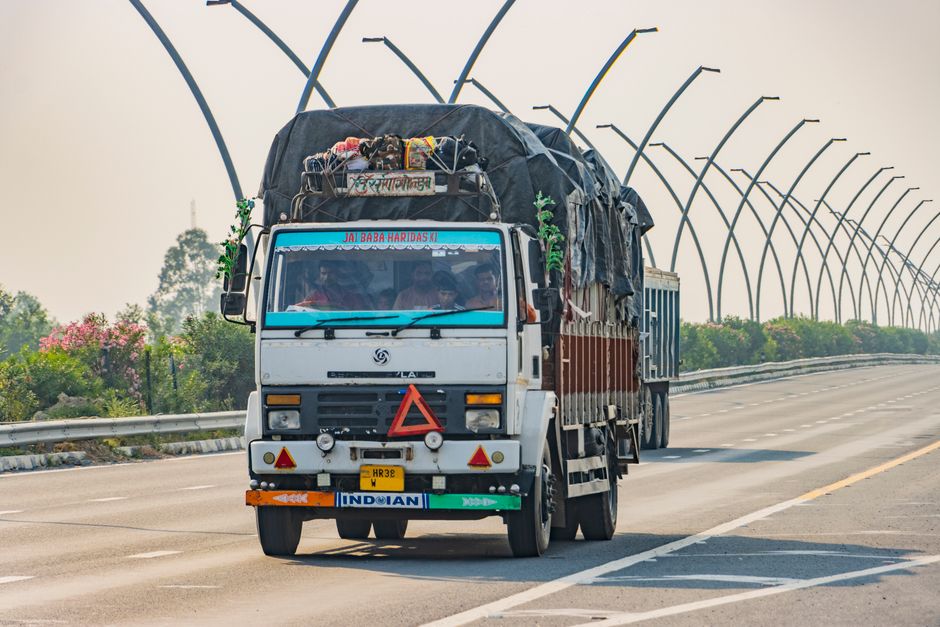
This incident, where two more individuals were *killed*, highlights the critical lack of preventive measures. Are there enough rest stops for fatigued truck drivers? Are speed limits enforced with modern technology, or does it still rely on sporadic checkpoints? These are not trivial questions; they are matters of life and death on every stretch of tarmac.
Beyond the Blame Game: Who Bears the True Cost?
It is far too easy to point fingers at the truck driver, condemning their recklessness. While driver error is often a proximate cause, the systemic failures that enable such errors rarely get the scrutiny they deserve. The narrative almost always focuses on the immediate culprit, allowing deeper, institutional shortcomings to persist unchallenged. This convenient scapegoating means the root causes of India’s road safety crisis remain unaddressed.
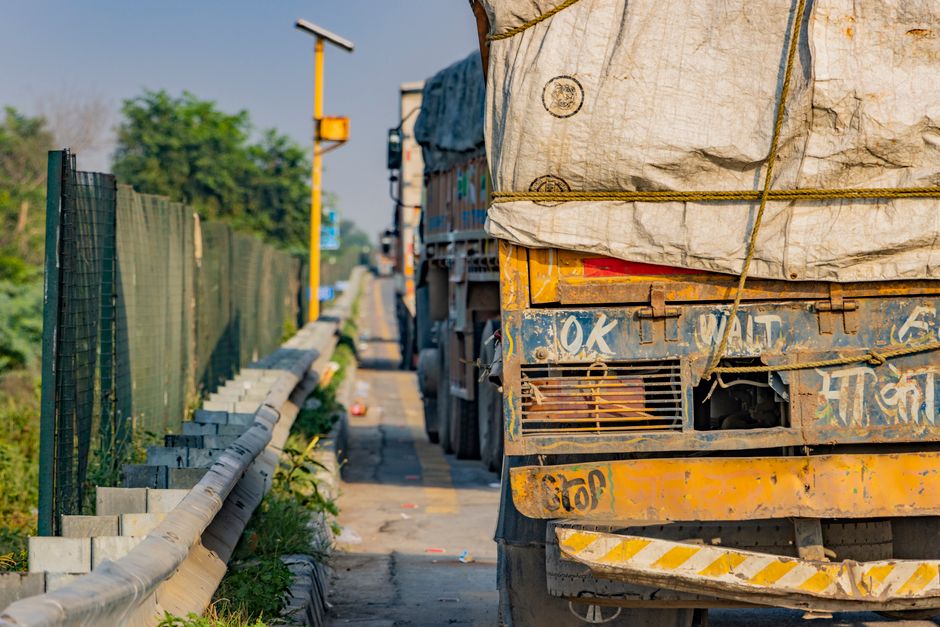
Consider the economics of commercial trucking. Drivers are often under immense pressure to meet tight deadlines, leading to exhaustion and compromised judgment. They operate vehicles that may be poorly maintained due to cost-cutting measures by fleet owners. Meanwhile, enforcement agencies are frequently criticized for selective application of rules or, worse, corruption that allows unsafe practices to continue unchecked. The human cost of these systemic failures is immeasurable, and it is borne disproportionately by the victims and their families.
The irony is stark: we invest billions in building world-class expressways, yet seemingly neglect the fundamental human and regulatory elements that make them safe. The government celebrates ribbon-cutting ceremonies, but who celebrates the families spared from grief by effective safety policies? No one. Accountability, therefore, must extend beyond the individual driver. It must reach the transport ministries, the law enforcement agencies, and the commercial operators who profit from cutting corners.
Some might argue that personal responsibility is paramount, and drivers must simply be more careful. Indeed, every driver has a duty of care. However, when the environment itself fosters negligence through poor design, inadequate rest facilities, and lax enforcement, merely blaming the individual is a profound cop-out. It absolves the powerful while punishing the vulnerable, or the overworked. This accident, like so many others where lives are tragically cut short, demands a wider lens. We need to look at everything from road engineering to driver training standards, and crucially, the political will to implement and enforce them rigorously.
Until we confront these uncomfortable truths and demand genuine, systemic reform, the death toll on our expressways will continue to mount. These aren’t just statistics; they are families shattered, futures extinguished. The question remains: how many more lives must be *killed* before the architects of our infrastructure truly prioritize safety over speed and rhetoric? It’s a question that echoes with every siren, every crash report, and every lost soul on India’s deadly roads.
Source: Google — India incidents