Does Europe truly believe that turning a blind eye to America’s aggressive foreign policy guarantees its own security? The latest warning from Iran isn’t just diplomatic bluster; it’s a stark, uncomfortable mirror held up to a continent seemingly content to trade strategic autonomy for quiet complicity. We’ve seen this play out before, and the ending is rarely good for anyone involved.
According to Middle East Eye, Iranian ambassador to Germany, Majid Nili, issued a pointed warning, stating that “normalising US attacks does not guarantee security” for European nations. This isn’t merely a statement of fact; it’s a direct challenge to the fundamental assumptions underpinning Europe’s geopolitical stance.
The Cost of European Deference to America and Iran
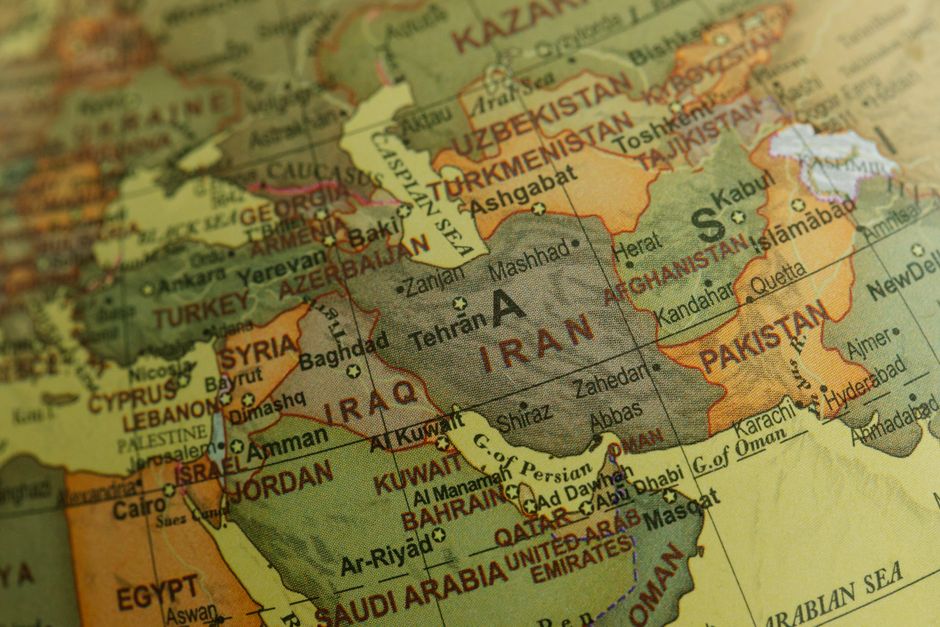
Nili’s statement arrives against a backdrop of escalating tensions in the Middle East, a region perpetually caught in the crosshairs of global powers. For years, Europe has attempted a delicate balancing act, trying to preserve its transatlantic alliance with the United States while also pursuing independent foreign policy goals, particularly concerning Iran. This often involves navigating the labyrinthine sanctions regimes imposed by Washington and the ripple effects of American military posturing across the Gulf.
The concept of “normalising US attacks” speaks volumes. It implies a pattern, an acceptance, a quiet nod of approval—or at least a lack of vocal opposition—to actions that are anything but normal in a rules-based international order. Whether these are kinetic strikes, drone operations, or crippling economic sanctions that disproportionately affect civilian populations, Europe’s silence often translates into tacit endorsement. This creates a dangerous precedent, suggesting that might makes right, and international law is merely a suggestion for certain actors.
Meanwhile, Europe finds itself in an increasingly precarious position. Its energy security, trade routes, and even refugee flows are intricately linked to the stability of the Middle East. Yet, by allowing Washington to unilaterally dictate terms and frequently escalate conflicts, Europe becomes a junior partner rather than an equal. Its own security interests, therefore, become secondary to American strategic ambitions, sometimes to its own detriment.
The Unspoken Truth About Iran’s Warning
Nili’s warning cuts deeper than a simple diplomatic spat; it exposes a fundamental flaw in Europe’s strategic thinking. The ambassador isn’t just complaining about US actions; he’s arguing that Europe’s passive acceptance actively *undermines* its own long-term security. This isn’t about guaranteeing peace; it’s about guaranteeing predictability. When the world normalizes unilateral aggression, the security of all nations, particularly those caught between superpowers, is profoundly compromised.
Consider the ripple effect. If Europe allows the US to operate with impunity in the Middle East, it sends a clear message to other nations, including Iran itself: international norms are negotiable, and spheres of influence are determined by raw power. This inevitably fuels an arms race, exacerbates regional rivalries, and creates a more volatile environment. Europe, geographically proximate to these hotspots, cannot afford to pretend it exists in a geopolitical vacuum.
Furthermore, this dynamic erodes Europe’s moral standing on the global stage. How can Brussels champion human rights or international law when it selectively applies its principles, often giving a pass to its most powerful ally? This hypocrisy is not lost on countries like Iran, nor on the broader international community, which increasingly views Europe as a follower rather than a leader. The real cost of this “normalisation” is Europe’s voice, its independence, and ultimately, its ability to chart its own course in a rapidly changing world. It is time for Europe to critically assess whether its current approach truly serves its own people, or merely entrenches a dangerous status quo dictated from across the Atlantic.
The question for Europe is no longer whether to condemn US actions, but whether it possesses the will to prioritize its own future over antiquated loyalties. The world watches, waiting to see if Europe will reclaim its sovereignty or continue down a path that promises only borrowed security.
Source: Middle East Eye