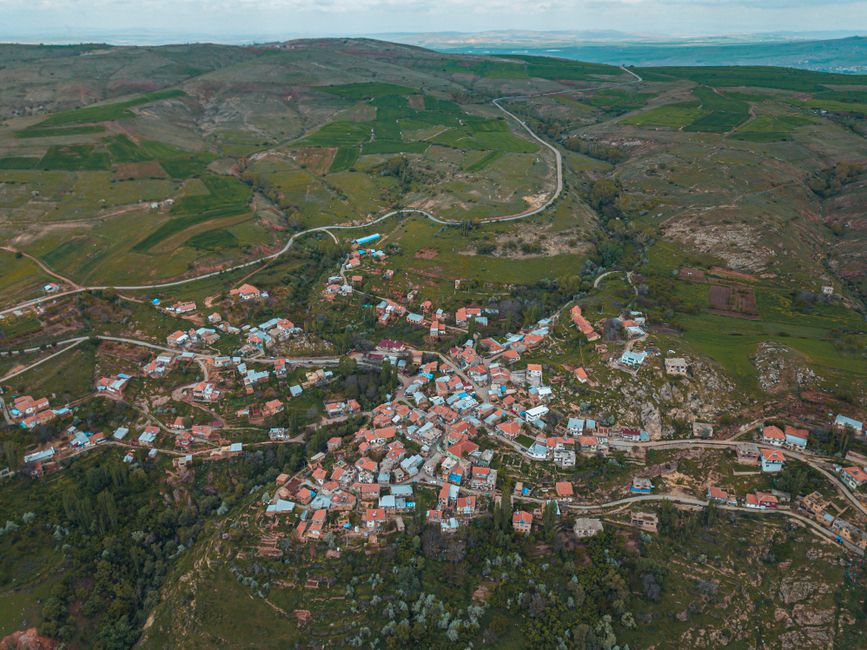
How many times can a nation claim “security” before it simply becomes an excuse for raw expansion? This week, **Israel** offered yet another stark answer, cementing a pattern that continues to redefine the very meaning of land ownership in the West Bank. The move is less about defense and more about demographics, less about peace and more about permanent presence.
According to Middle East Eye, Israel has announced the appropriation of Palestinian land in the occupied West Bank. This move is specifically to facilitate the expansion of a road primarily serving Israeli settlers.
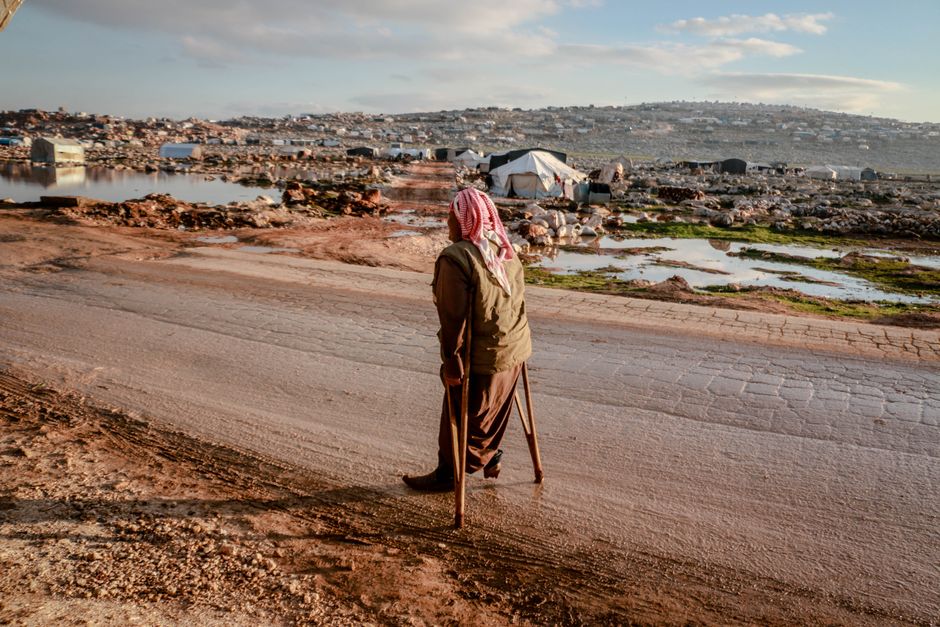
Israel’s Enduring Strategy in the West Bank
This isn’t just another land grab; it’s a critical piece of a much larger, meticulously executed puzzle. For decades, the West Bank has been a battleground not just of ideologies, but of concrete and asphalt. The international community, including the UN, largely considers Israeli settlements in the West Bank illegal under international law. Nevertheless, these settlements have proliferated, carving up Palestinian territory and isolating communities.
The road in question is not a minor bypass; it’s a strategic artery. Expanding such infrastructure directly serves the settler population, making their commute smoother and their presence feel more permanent. Therefore, it implicitly encourages further settlement growth, which many view as a direct impediment to any viable future Palestinian state. This incremental encroachment chips away at the contiguous territory necessary for a sovereign entity.
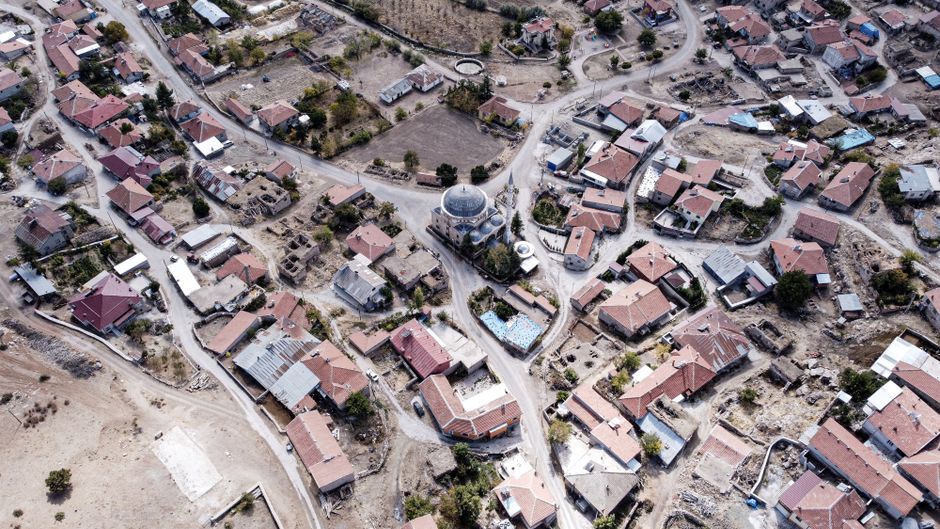
Furthermore, these actions often come under the guise of security needs for settlers. However, Palestinians living on adjacent lands frequently face increased restrictions on movement and access to their own fields and homes. This creates a deeply inequitable system where one population’s convenience comes at the direct expense and dispossession of another. The historical trajectory shows a consistent pattern: infrastructure for settlers often precedes or accompanies further settlement expansion, consolidating control over occupied lands.
The Illusion of a Two-State Solution
Let’s be blunt: this isn’t just stealing land; it’s stealing hope. Every acre appropriated, every road expanded for settlers, makes the prospect of a viable, contiguous Palestinian state more remote. The international community, particularly Western powers, continues to pay lip service to a two-state solution while silently, or sometimes not so silently, enabling the very actions that undermine it. This hypocrisy is deafening.
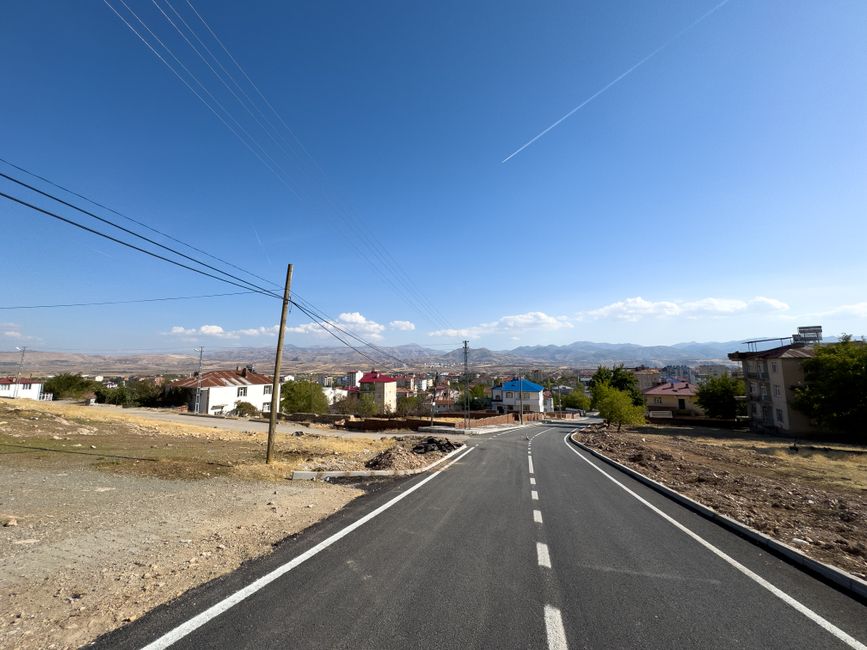
When **Israel** expands these roads, it deepens the entrenchment of settlements, effectively creating irreversible facts on the ground. These facts are then presented as impediments to peace, rather than the deliberate creations of policy. The narrative often shifts, subtly blaming the complexity of the situation rather than the clear, unilateral actions that generate that complexity. This strategic ambiguity benefits those who seek to maintain the status quo or push for outright annexation.
The losers here are clear: the Palestinian people, whose land and future are steadily diminished, and the very concept of international law, which appears increasingly toothless in the face of persistent violations. Meanwhile, the winners are those who seek to solidify Israeli control over the West Bank, creating an irreversible demographic and geographic reality. This move is a stark reminder that while the world debates theoretical frameworks, the ground beneath Palestinians’ feet is being systematically altered. The expansion of these roads is a declaration of intent, a bold statement that territorial control outweighs any rhetorical commitment to peace. It also places further strain on the already fragile stability of the region, fueling resentment and providing fertile ground for future conflict. The persistent cycle of confiscation and resistance continues, demonstrating a profound disconnect between diplomatic discourse and ground-level realities.
Make no mistake, this isn’t just about asphalt and earth. This is about power, permanence, and the relentless re-shaping of a future that many once believed was negotiable. How long can the world pretend that a robust, independent Palestinian state can emerge from such a fragmented, controlled landscape? **Israel** is betting on forever, and the world seems content to watch the clock run out.
Source: Middle East Eye