The mirage of peace in the Middle East has once again dissolved into the harsh reality of escalating conflict. Any naive hopes of *ending* the persistent standoff between the U.S. and Iran are now not just dashed, but actively under fire, consumed by a renewed and dangerous volatility.
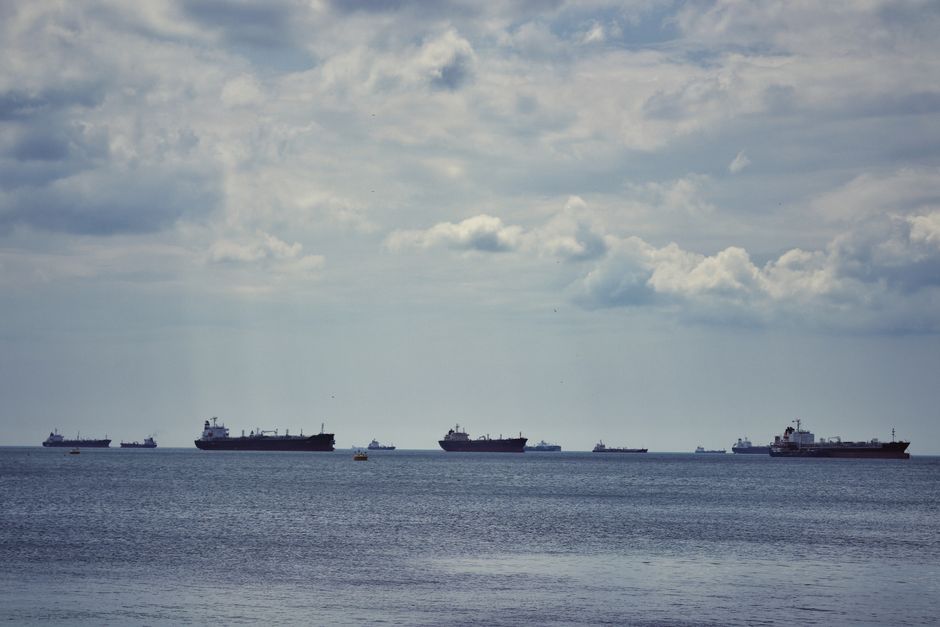
According to PBS, renewed fighting between U.S. and Iranian forces is currently threatening global shipping lanes, simultaneously undermining any fragile diplomatic efforts aimed at de-escalation. This development signals a dangerous regression in a region perpetually teetering on the brink of wider confrontation.
The Perilous Path to Conflict’s End
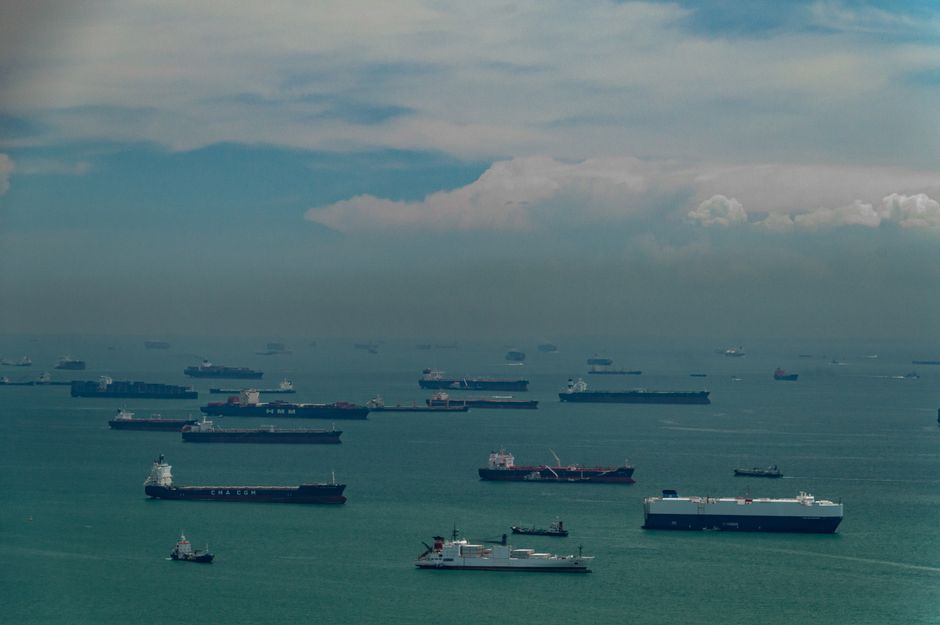
The Strait of Hormuz, a choke point for roughly a fifth of the world’s oil supply, becomes the immediate flashpoint whenever U.S. and Iranian tensions flare. For decades, this narrow waterway has served as a critical barometer of regional stability, and its current turbulence reflects a deeper, more entrenched animosity. Iran, often cast as the primary aggressor by Western powers, views the robust U.S. military presence in the Gulf as an unwelcome encroachment on its sovereign interests, perceiving it as a perpetual threat to its national security. On the other hand, Washington consistently asserts that its naval deployments are crucial for maintaining freedom of navigation and protecting its allies among the Gulf states.
This recent uptick in direct engagements isn’t an isolated incident; it’s the stark culmination of years of calculated proxy skirmishes, crippling economic sanctions, and repeatedly failed diplomatic overtures. Both sides, in fact, possess long histories of brinkmanship, frequently testing each other’s resolve with precisely calculated provocations. The insidious shadow war, waged in cyberspace and through regional militias, has now visibly spilled into more direct, conventional confrontations.
Critically, this escalation isn’t just about naval power or territorial claims; it is deeply intertwined with the broader geopolitical chess game being played out across the shattered landscapes of Iraq, Syria, Yemen, and beyond. Every drone strike, every intercepted vessel, every heated rhetorical exchange serves to reinforce existing grievances and harden unyielding positions. As a result, any genuine path to *ending* the conflict seems increasingly remote, almost an illusion.
Who Profits from Perpetual Tension?
Let’s be uncomfortably blunt: the narrative of perpetual U.S.-Iran tension serves powerful, often unseen, interests on both sides, extending far beyond the obvious military-industrial complex. For the entrenched hardliners in Tehran, external threats are a remarkably convenient tool. They use it to consolidate power, suppress burgeoning internal dissent, and successfully rally the populace against a perceived common enemy. The U.S. is the perfect boogeyman, deftly justifying the regime’s iron grip and its ambitious, often destabilizing, regional foreign policy.
Meanwhile, in Washington, a persistent Iranian threat provides an indispensable rationale for maintaining a robust, expensive military presence across the Middle East. It’s essential for securing vital oil interests and, crucially, for facilitating lucrative arms sales to regional partners. It’s a self-sustaining, vicious cycle of fear and reaction, where genuine peace initiatives are often met with deep skepticism or, worse, outright sabotage by those who benefit immensely from the prevailing status quo.
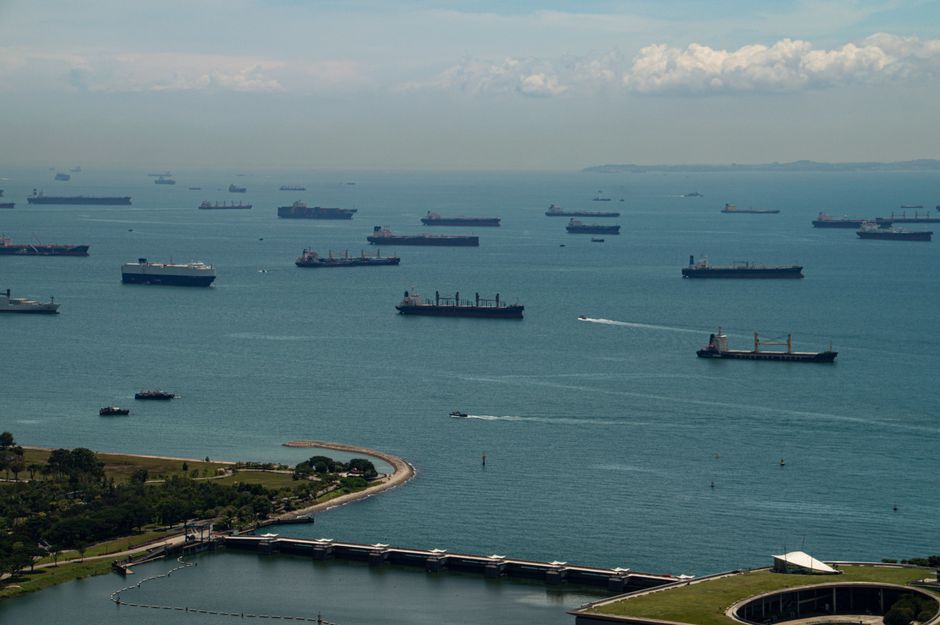
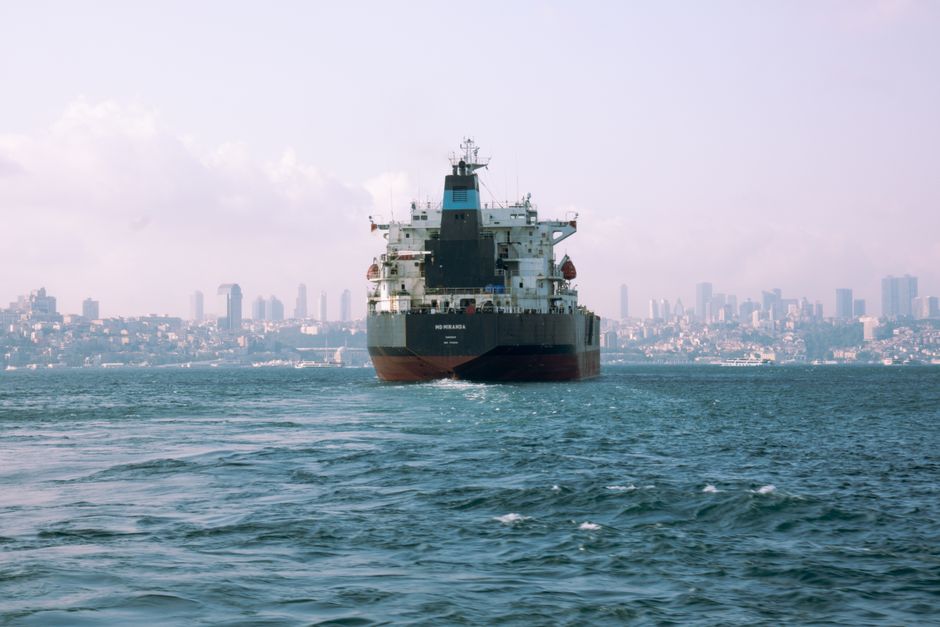
The true, undeniable losers, as always, are the innocent people caught in the devastating crossfire and the fragile global economy that relies so heavily on stable energy markets. Shipping companies, for instance, now face skyrocketing insurance premiums and escalating logistical nightmares, costs that inevitably trickle down to consumers worldwide. More importantly, the renewed fighting extinguishes any flickering hopes for a comprehensive regional dialogue, thereby trapping the Middle East in a cycle of instability that utterly precludes genuine development and widespread prosperity. We are constantly told that diplomacy is the sole answer, yet every diplomatic effort seems to crumble under the oppressive weight of entrenched distrust and the cold, strategic calculations of those who clearly prefer the current tension to an uncertain, perhaps inconvenient, peace. The mainstream media often frames this as an unavoidable clash of civilizations, but it’s more accurately a calculated clash of political wills, both domestic and international, that perversely thrive on the very conflict they ostensibly claim to want to resolve.
Some might reasonably argue that the U.S. indeed has a legitimate security concern regarding Iran’s nuclear ambitions and its active support for various proxies. This perspective holds undeniable truth. However, the current strategy of reactive military engagements and unilateral sanctions alone has demonstrably failed to bring about a lasting solution. Instead, it consistently seems to fuel the very outcomes it purports to prevent, locking both nations into a dangerous, high-stakes game of chicken with no clear, viable exit strategy. The often-repeated rhetoric of ‘containing’ Iran has, in practice, led to its further entrenchment, paradoxically transforming a regional power into an even more defiant, unpredictable, and formidable actor on the world stage.
Until both Washington and Tehran are genuinely willing to look beyond short-term tactical gains and courageously confront the uncomfortable truths about their intertwined fates, the elusive dream of *ending* this regional quagmire will remain just that: a dream, perpetually out of reach, always just over the horizon of the next inevitable flare-up.
Source: Google — Middle East