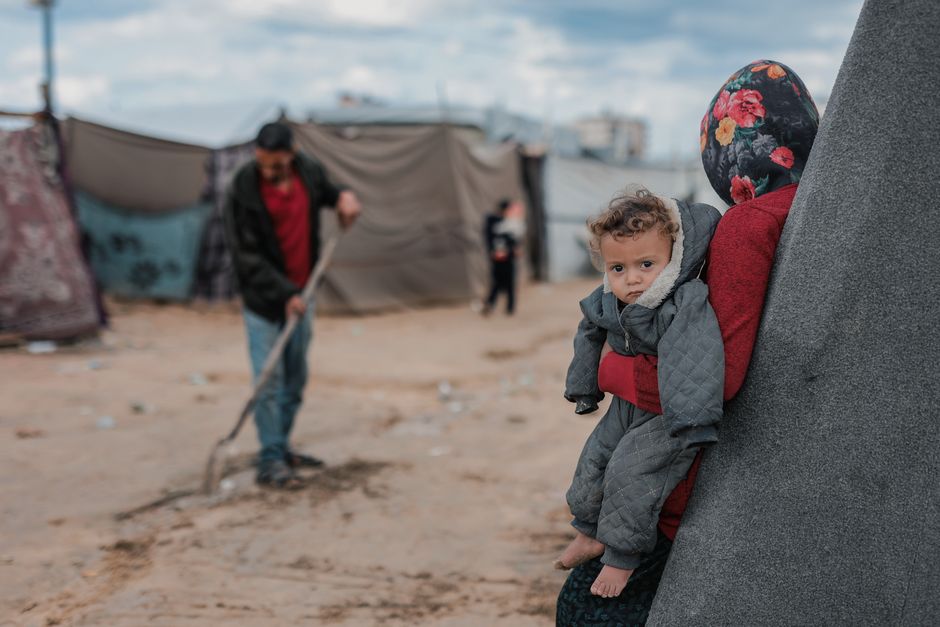
What does it say about our world when the most hopeful news out of Gaza involves children learning to doggy paddle in pools made of rubble? It’s a bitter truth, one that highlights not just resilience, but the profound failures that make such resilience necessary.
According to The Guardian Middle East, after three grueling years of war, swimming classes have finally resumed for hundreds of children in Gaza. These lessons take place in makeshift sea pools, cobbled together from sandbags and debris, offering a brief, precious reprieve from lives scarred by conflict. Amjed Tantesh, the instructor, provides these traumatized children a fleeting return to a childhood long stolen.
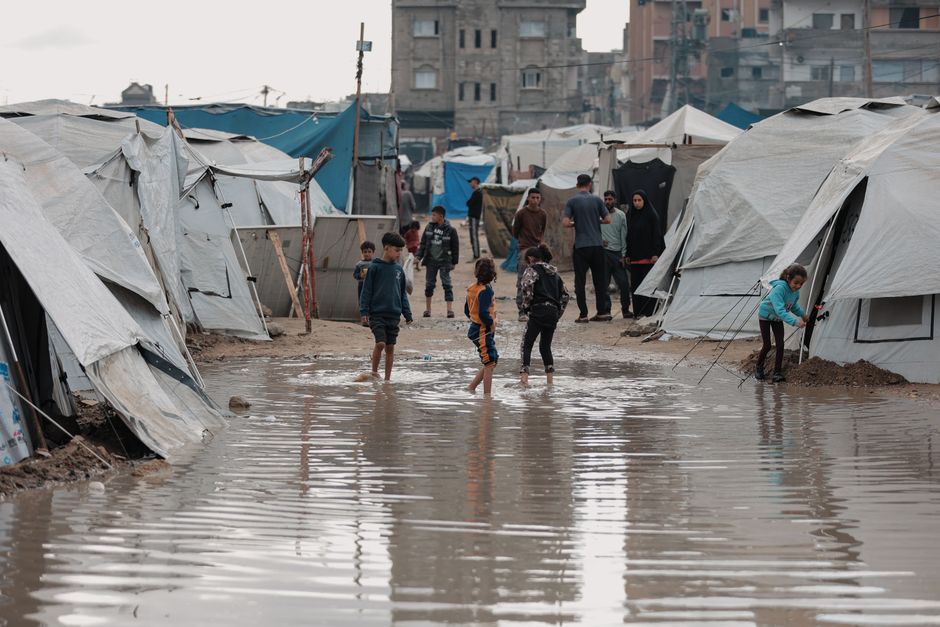
The Fragile Lifeline in Gaza
This isn’t just about learning to swim; it’s about a desperate attempt to reclaim what war relentlessly strips away. These children have known little else but the shadow of conflict, the constant hum of tension, and the sudden, brutal shock of violence. For them, a splash of water, a moment of play, is a defiant act against a reality that offers no formal playgrounds or safe havens. It’s a poignant symbol of humanity’s enduring, desperate need for normalcy, even in the most abnormal of circumstances.
The context here is crucial. Gaza remains a besieged strip of land, its infrastructure decimated, its economy crippled, and its people living under an oppressive blockade. Years of conflict have left deep, visible scars on the landscape and even deeper, invisible wounds on its youngest inhabitants. The idea that basic recreational activities like swimming must be engineered from war’s detritus speaks volumes about the systematic deprivation endured by an entire generation. It’s a testament to the human spirit, yes, but also a stinging indictment of the world that allows such conditions to persist.
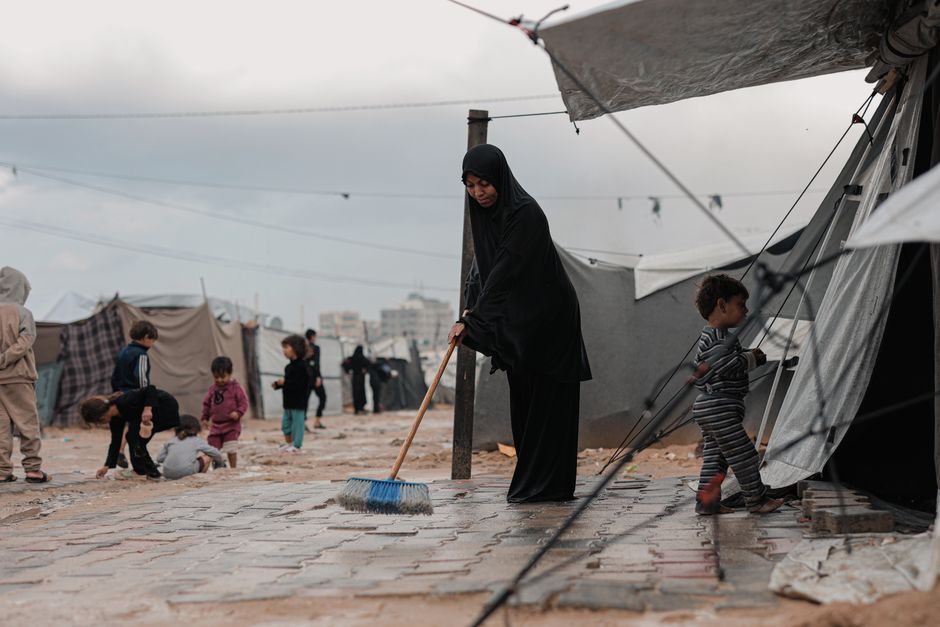
A Drop in the Ocean of Neglect
Here’s the unfiltered truth: these swimming lessons, as vital and heartwarming as they are, are a mere drop in an ocean of neglect. They offer individual moments of joy, a temporary escape from the crushing weight of their environment. However, they do nothing to address the systemic issues that make such makeshift solutions necessary in the first place. The international community often champions these small, inspiring stories of resilience, using them almost as a shield against confronting the larger, uglier picture.
We applaud the individual heroism of people like Amjed Tantesh, and rightly so. Yet, we collectively fail to demand accountability from those who perpetuate the cycle of violence and deprivation in the region. The mainstream narrative often focuses on the immediate aftermath of conflict, highlighting these small acts of hope without deeply interrogating the political stagnation and blockades that deny children a truly safe and stable environment. Who wins? The children, for a few hours, gain a sliver of their childhood back. Who loses? Every institution, every government, every aid organization that allows Gaza to remain a perpetual crisis zone.
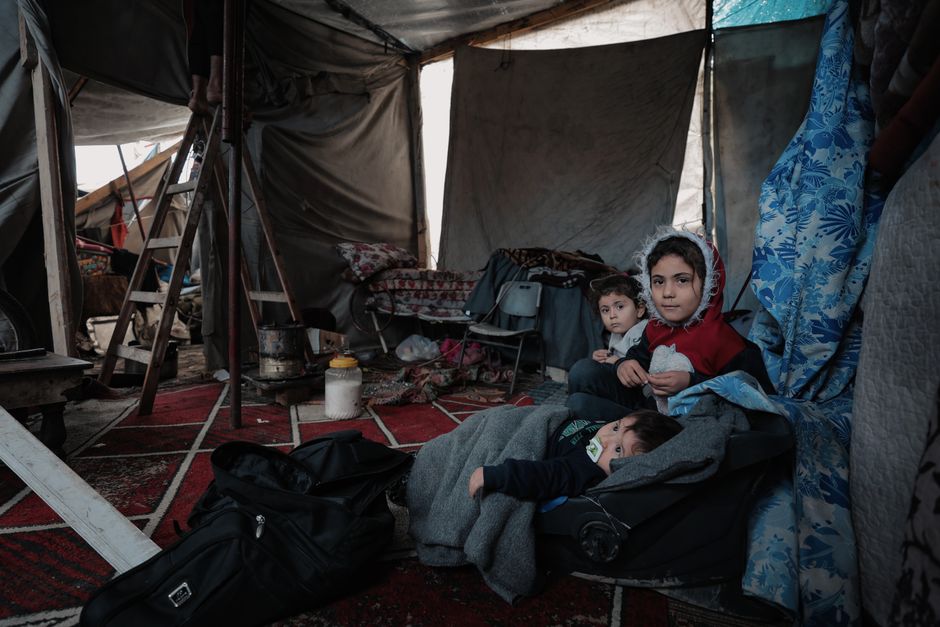
The real hot take is this: focusing solely on these stories of individual triumph risks normalizing the abnormal. It allows us to feel good about a temporary fix while the fundamental injustice continues unchallenged. These children deserve more than sandbag pools and borrowed moments of joy. They deserve a world where their childhoods are inherently safe, not painstakingly, temporarily reclaimed from the rubble of war. Anything less is a collective failure on a monumental scale.
We must ask ourselves: how many more generations will learn to swim in makeshift pools before the world finally dives into the deep end of genuine, lasting peace?
Source: Guardian Middle East