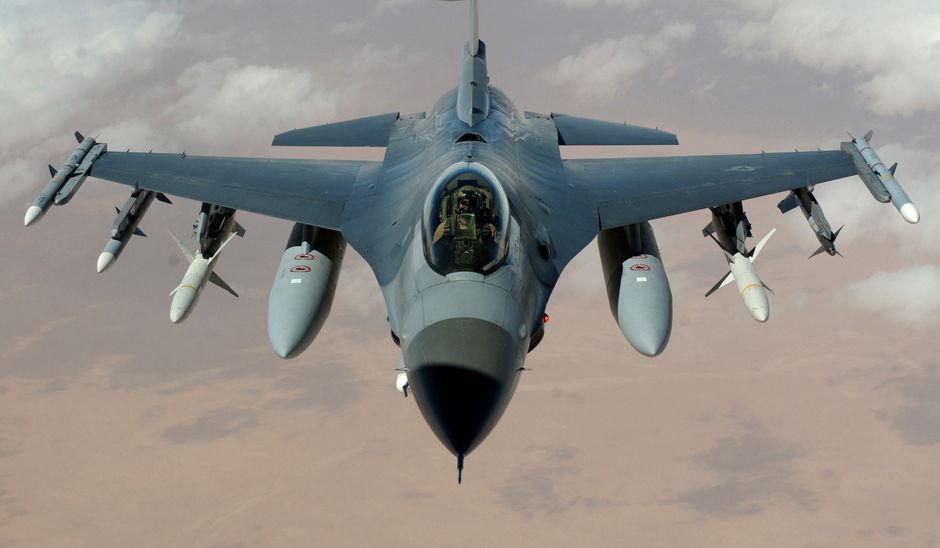
Another day, another volley of missiles and drones in the Middle East, another grim reminder that some conflicts are designed to simply exist, consuming lives and hope without end. This time, the **Houthis** have again demonstrated their capacity for retaliatory strikes, pushing back against a powerful regional adversary.
According to AP News, the Houthis launched a barrage of missiles and drones toward Saudi Arabia. This action was explicitly described as a response to earlier Saudi-led coalition strikes on a city in Yemen. It’s a tit-for-tat exchange that has become tragically routine.
The Houthis and Yemen’s Unending Agony
The latest exchange is not an isolated incident; it is a predictable spasm in a war that has raged for nearly a decade. Yemen’s civil war, often dubbed a proxy conflict, pits the internationally recognized government, backed by a Saudi-led coalition, against the Houthi movement. These rebels, aligned with Iran, control vast swathes of northern Yemen, including the capital Sanaa. Therefore, their ability to strike targets deep within Saudi territory underscores their persistent threat.
Meanwhile, the humanitarian catastrophe in Yemen continues to deepen, ignored by much of the world. Millions face starvation and disease, displaced from their homes by relentless violence. The very infrastructure of a nation has been systematically dismantled. The conflict is less a conventional war and more a grinding siege, punctuated by these dramatic, but ultimately unresolving, missile exchanges.
Saudi Arabia’s intervention, launched in 2015, aimed to restore the government and curb Iranian influence. However, it has instead solidified the Houthis’ control in many areas and created one of the world’s worst humanitarian crises. This enduring stalemate suggests that military might alone cannot dictate political outcomes in Yemen. It merely perpetuates the suffering.
Who Benefits from This Cycle of Bloodshed?
Let’s be blunt: this latest round of strikes benefits no one truly invested in peace. For the Houthis, it’s a necessary demonstration of resilience and defiance. It sends a message that Saudi aggression will not go unanswered, maintaining their credibility among supporters and signaling their continued military capabilities. Yet, such actions also invite further retaliation, perpetuating the very cycle of violence they claim to resist.
On the other hand, Saudi Arabia, despite its vast military resources, finds itself in a protracted and costly conflict. Its strategic objectives remain elusive. The coalition’s strikes, while aimed at degrading Houthi capabilities, often lead to civilian casualties, further fueling resentment and recruitment for the rebels. The international community, largely complicit through its silence or half-hearted condemnations, allows this tragedy to fester. Western powers, while occasionally criticizing humanitarian abuses, continue to supply arms to all sides, turning a blind eye to the direct impact on Yemeni civilians.
This isn’t merely a war; it’s a brutal chess match where the pawns are innocent civilians. The continued ability of the **Houthis** to launch these attacks, despite years of aerial bombardment, highlights the limitations of air power against a determined insurgency. It also showcases the sophisticated support networks enabling these groups to maintain pressure on their adversaries. Frankly, the narrative of a swift resolution has long since evaporated, replaced by a grim acceptance of endless attrition. The real question is not *if* the Houthis will strike again, but *when* and with what intensity, thereby ensuring the region remains a powder keg.
This tragic dance of retaliation serves only to cement the positions of hardliners on all sides. It entrenches the humanitarian crisis and pushes any viable political solution further out of reach. Ultimately, the biggest losers are always the people of Yemen, trapped between competing regional ambitions and a world that seems content to look away. How many more missile trails must streak across the sky before the world demands an end to this manufactured apocalypse?
Source: Google — Middle East